
The Depth of Morocco-Spain Relations
The geographical proximity of Morocco and Spain is an undeniable fact that underpins a complex and multifaceted relationship. This connection, however, transcends mere physical closeness and is characterized by a concerted political choice to forge a common future. The historical ties that link Morocco, Spain, and the European Union stand resilient against cyclical disruptions, thanks to decades of cooperation across various dimensions. In light of contemporary challenges related to migration and regional security, it is crucial to recognize that this partnership cannot be reduced to political squabbles or unfounded accusations.
Recent incidents surrounding the enclave of Ceuta should not overshadow the profound strategic partnership that exists between these nations. To date, there is no official documentation from the Spanish government that implicates Morocco in the events that transpired in Ceuta. Launching baseless allegations not only jeopardizes joint efforts aimed at fostering stability but also threatens to derail a critical bilateral relationship. It is essential to cease these unfounded accusations to maintain the delicate balance that is vital for both countries.
Morocco's Commitment to Migration Control and Security
The Moroccan Ministry of Foreign Affairs has made it abundantly clear, through a press release issued on September 10, 2026, that the Kingdom will not serve as a pawn in Spanish electoral politics nor be scapegoated for internal discord. Morocco firmly rejects the notion of becoming a convenient excuse for political divisions in Spain, advocating instead for responsibility, calm, and a pragmatic approach to diplomacy.
On the ground, Morocco's efforts in managing migration flows are significant and effective. In 2025, Moroccan border and coastal surveillance prevented an astonishing 73,640 attempts at irregular migration. Amid ongoing pressure and a volatile regional environment, Morocco demonstrates remarkable resilience in safeguarding Europe's southern border. This fight extends beyond mere enforcement; it addresses the organized criminal networks that exploit vulnerable individuals. In 2025 alone, over 300 human trafficking networks were dismantled, showcasing Morocco's commitment to combating such heinous activities.
Morocco's approach to border management also embodies a deeply humanistic perspective. In 2025, authorities rescued 13,595 migrants at sea, providing essential medical care, shelter, and emergency assistance. Furthermore, 4,372 individuals were offered voluntary return programs that respected their dignity and fundamental rights, executed in collaboration with their respective diplomatic missions. These outcomes reflect a significant strategic transformation within Moroccan policy, emphasizing the effectiveness of its migration management doctrine.
While there has been a noticeable decline in interceptions along certain routes, the shifting dynamics of migration patterns demand a comprehensive response from Europe rather than fragmented responsibilities. Additionally, the security and counter-terrorism aspect of Moroccan-Spanish relations serves as another cornerstone of their exceptional partnership. The collaboration between Moroccan and Spanish security services in combating violent extremism has gained international recognition as a model of bilateral success. This partnership is built on a foundation of mutual institutional trust and a united effort to preemptively address threats that transcend borders.
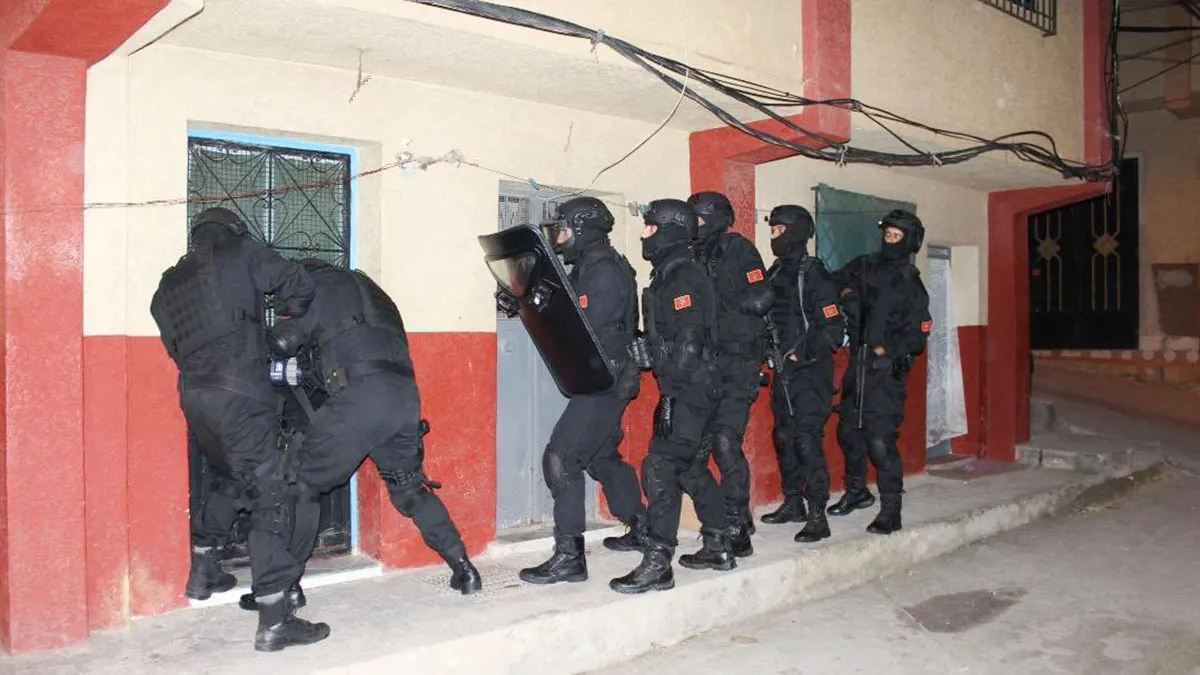
Since 2014, the two nations have conducted 41 joint operations, resulting in the arrest of 174 individuals connected to terrorist networks, with 112 apprehensions occurring on Spanish soil alone. The exchange of strategic intelligence has thwarted numerous planned attacks across Europe, underscoring the invaluable nature of Moroccan expertise in counter-terrorism efforts. Spanish institutions have consistently praised the exceptional performance of the General Directorate for Territorial Surveillance (DGST), led by Mr. Abdellatif Hammouchi. The DGST's ongoing initiatives to dismantle networks linked to international combatants and jihadist recruitment cells serve as a critical bulwark for the security of both the Iberian Peninsula and the broader European continent.
In conclusion, the strength of the relationships between Morocco, Spain, and Europe is reflected in tangible actions and sustained collaborative results. Political shortcuts and crisis-driven rhetoric cannot overshadow the importance of this partnership, which is essential for maintaining peace and stability in the Mediterranean region. Morocco stands as a reliable, responsible, and indispensable partner, committed to fostering a Euro-Mediterranean future grounded in mutual respect and shared responsibility.
As reported by atalayar.com.