The Diminishing Influence of Mohammed VI
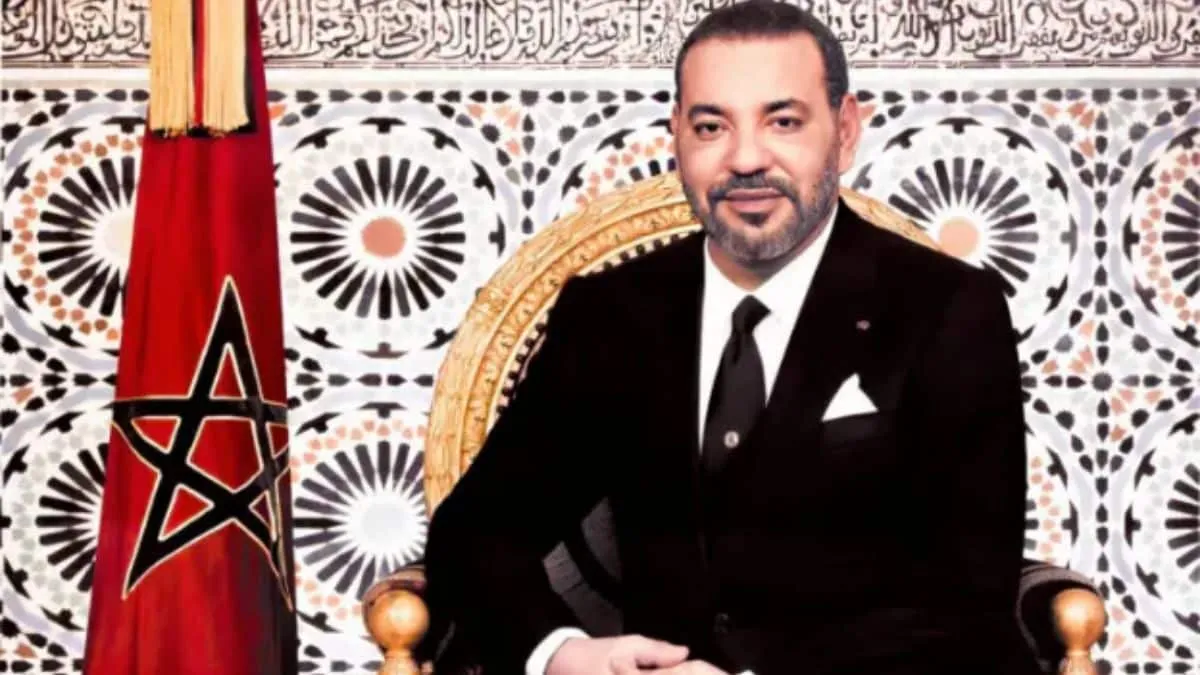
The recent publication titled "Fin de règne" by journalist and academic Omar Brouksy sheds light on the atmosphere surrounding the Moroccan royal palace in Rabat, highlighting the ongoing power struggles and the impact of King Mohammed VI's prolonged illness. The book details the intricate web of rivalries among the king's advisors and security chiefs as they maneuver in anticipation of the future reign of Crown Prince Moulay Hassan. This tension unfolds against the backdrop of a monarch whose health has become a topic of public concern, as many Moroccans now express their hopes for the king's recovery with the phrase, "May God heal him." Despite the king's visible absence and frequent travel abroad, it is emphasized that no significant decisions are made without his approval, indicating that he remains at the center of power, albeit in a diminished capacity.
Power Dynamics and Future Leadership
Brouksy articulates that the current dynamics within the royal court reveal a complex situation where the absence or weakening of the monarch creates a vacuum filled by influential figures such as his trusted advisor Fouad El-Himma, often referred to as the "viceroy," and Abdellatif Hammouchi, the head of Morocco’s intelligence services. While their roles are critical in managing the kingdom's affairs, the decision-making power ultimately rests with Mohammed VI. The author highlights concerns over the intrusion of certain influential families, such as the Azaitar brothers, into royal matters, which has been perceived as a threat to the kingdom's image. The narrative also touches on the relationship between Crown Prince Hassan and his mother, former Princess Lalla Salma, suggesting that her past connections could influence the prince's future reign.
Furthermore, the book raises alarming issues regarding espionage, particularly the alleged surveillance of French President Emmanuel Macron's phone, which Brouksy suggests could not have occurred without the king's consent. This incident not only underscores the strategic relationship between Morocco and France but also raises questions about the implications of such actions on international diplomacy. As Morocco navigates this precarious phase under a king whose health is failing, the royal court is left to contend with both internal power struggles and external pressures, anticipating the transition of leadership to a relatively unknown Crown Prince Hassan. The unfolding situation reflects a tumultuous period for Morocco, where the future of its monarchy hangs in a delicate balance, with key figures positioning themselves for influence in the forthcoming regime.
As reported by tsa-algerie.com.