
Ali Lmrabet's Arrest and Release: A Timeline of Events
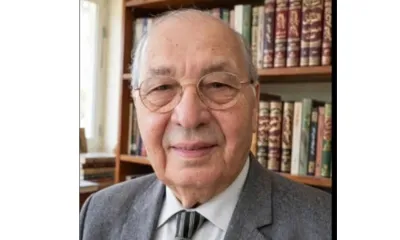
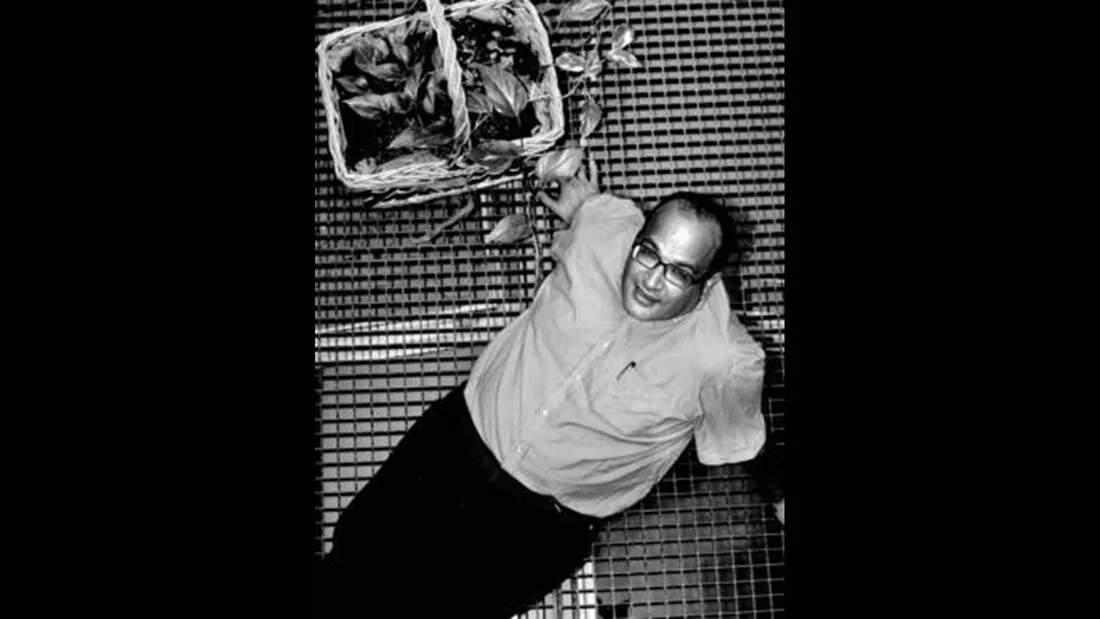
Ali Lmrabet, a prominent journalist and advocate for press freedom, was detained upon his arrival in Morocco on Sunday. His wife, Laura Feliu, who is a political science professor at the Autonomous University of Barcelona, confirmed that Lmrabet alerted her of his arrest shortly after he was taken into custody. The authorities accused him of "spreading false information" and "insulting state institutions," claims that seem to stem from videos he had posted on his YouTube channel. Lmrabet was subsequently transferred to the headquarters of the Judicial Police in Casablanca, where he expressed his outrage over what he perceived as an unlawful detention, feeling more like a victim of kidnapping than a legal arrest.
The Legal Justification for His Detention: A Questionable Basis
From our perspective, there was no legal justification for Lmrabet's temporary detention. The accusations against him relate to actions he undertook outside of Morocco; all the videos in question were filmed and published in Spain, where he has lived and worked as a journalist for many years. In Spain, criticism of public institutions falls under the protection of the fundamental right to freedom of expression. Lmrabet's trip to Morocco was intended for personal reasons, aiming to reconnect with family and friends. Despite his long history of visits to Morocco since his release from prison in 2004, there were no indications that he would face arrest upon his return.
Historically, Lmrabet has faced persecution and harassment in Morocco due to his journalistic work spanning over two decades. He co-founded _Le Journal_, a leading independent magazine, and later launched satirical publications known for their investigative reporting. His career has been fraught with challenges, including a four-year prison sentence that was later reduced upon appeal, primarily for charges of "insulting the king" and "undermining territorial integrity." In 2005, he was banned from practicing journalism in Morocco for ten years after he accurately referred to Sahrawis fleeing the Moroccan invasion of Western Sahara as refugees, in line with UN terminology. Lmrabet's resilience, despite the harsh repression, is noteworthy; he has consistently returned to Morocco for visits, enduring surveillance and occasional police checks, yet had never before been arrested upon entry.
The circumstances surrounding his arrest cannot be viewed in isolation but rather as part of a broader pattern of increasing restrictions on independent journalism in Morocco. Over the past two decades, the landscape for free press has steadily diminished, forcing many independent journalists into exile or onto digital platforms due to the suppression of media within the country. Those who continue to work in Morocco face extreme legal, political, and economic pressures. Lmrabet's case symbolizes the overall decline of press freedom in the region.
Interestingly, Lmrabet's release on Wednesday followed a swift and robust international outcry. Within hours of his detention, he received support from organizations such as Reporters Without Borders and the Committee to Protect Journalists, along with major media outlets from Spain, France, and the UK, and numerous journalists' associations. This formidable response likely played a significant role in prompting the Casablanca judiciary to release him.
As reported by jungewelt.de.