
The Stakes of the Moroccan Elections
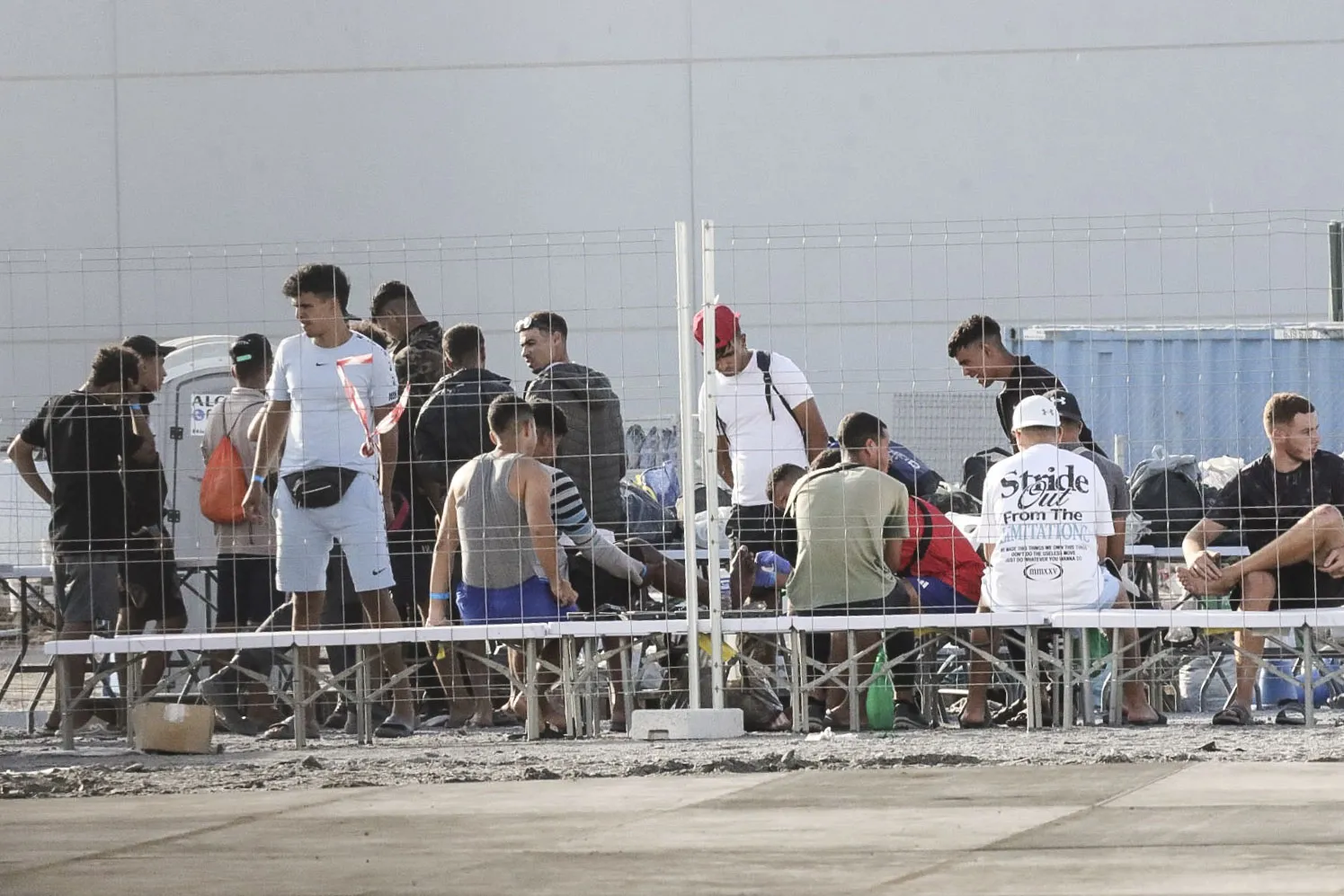
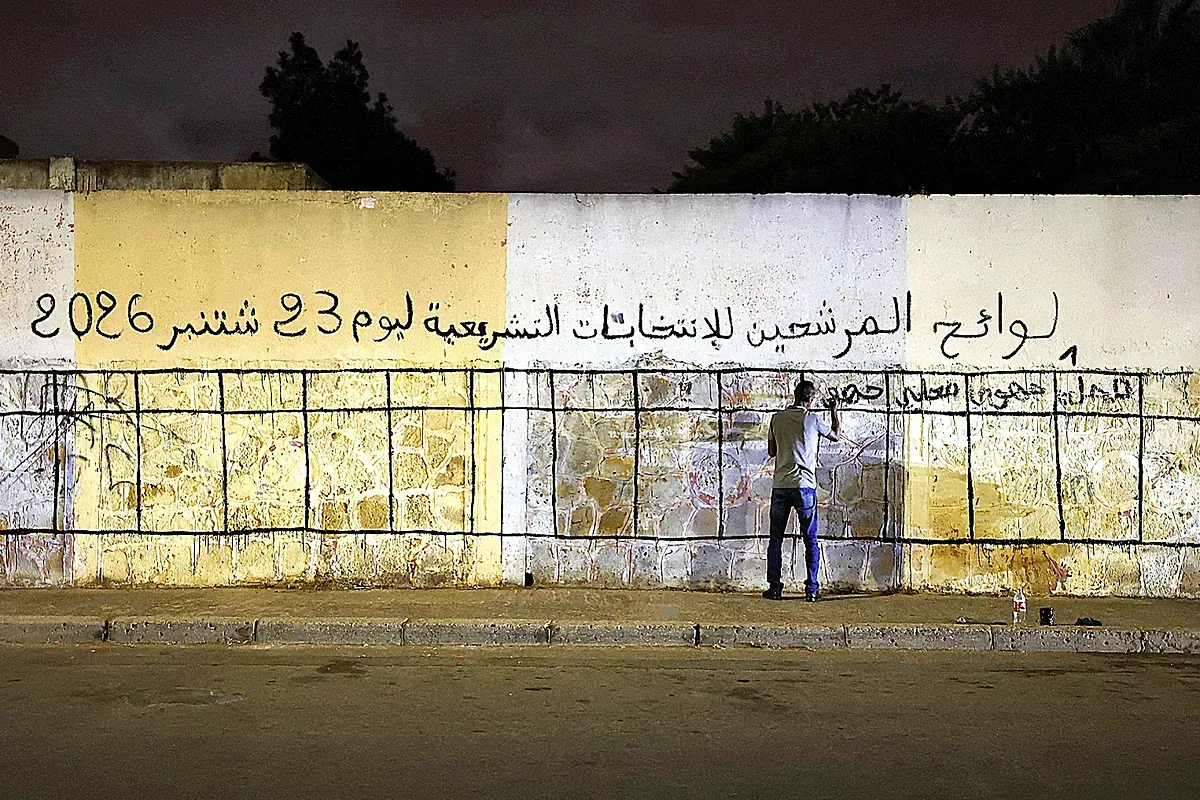
The elections scheduled for next Wednesday in Morocco are poised to significantly influence the future of the current Prime Minister, Aziz Akhannouch, who leads the liberal National Rally of Independents (RNI). This electoral event will also determine the fate of the coalition supporting the government, which includes the progressive Authenticity and Modernity Party (PAM) and the conservative nationalist Istiqlal Party. The backdrop of this campaign is marked by a palpable sense of youth disenchantment, highlighted by the massive influx of individuals into Ceuta this past summer, revealing a profound discontent among segments of the population who harbor doubts about the potential for change through the ballot box. Strikingly, on the same day as the elections, while security forces will be deployed to ensure safety at polling stations, calls are already being circulated to attempt crossing the border into Ceuta, encapsulating the frustration of a generation that continues to seek opportunities beyond their homeland as Morocco heads to the polls.
Youth Participation and Political Dynamics
This discontent is further evidenced by the dismal youth participation rate in the electoral census. Unlike Spain, where registration is automatic, Moroccan citizens must take the initiative to register if they wish to vote. Despite approximately 12% of Morocco's population being under 24 years of age, a mere 4% of young individuals in this age group have registered to participate in the electoral process. In this election, the RNI, colloquially known as 'the dove party,' and PAM, referred to as 'the tractor party' due to their respective logos, will run separately amid a growing rivalry between the two parties. In August, Akhannouch's RNI accused PAM of attempting to lure candidates and officials from the RNI through coercive offers. The tensions between the coalition partners have escalated, particularly following the recent addition of Fouzi Lekjaa, the Minister Delegate of Budget and President of the Royal Moroccan Football Federation, to PAM, marking a significant shift as he had previously been considered aligned with the RNI.
According to Mustapha Sehimi, a law professor at Mohammed V University in Rabat, both Akhannouch's party and PAM, led by Fatima-Ezohra El Mansouri, share a commitment to monarchy, market economy, and social protection while opposing Islamist parties. While 'the dove' attracts major business leaders and officials, 'the tractor' appeals to a segment of the left-leaning electorate, as well as landowners, liberal professionals, and parts of the rural population. Both parties are vying for victory and may find themselves compelled to negotiate with each other to form a government. Meanwhile, the third coalition member, the Istiqlal Party led by Nizar Baraka, has refrained from taking sides in this internal conflict.
The RNI has failed to deliver on its electoral promise of creating one million jobs, undermining public trust in its commitments to improve the economic conditions of lower-income classes. The difficulties in enhancing employment opportunities and the internal strife among government partners are tarnishing the coalition's image and diverting voter support toward the main opposition party, the Islamist Justice and Development Party (PJD). The PJD is positioning itself to return to power by focusing its campaign on combating unemployment and monopolies through increased taxation and support for small and medium-sized enterprises, capitalizing on the discord among government parties to highlight the failures of their policies, which they argue have only deteriorated the purchasing power of the lower-income population while benefiting the wealthiest sectors of the country.
As voters prepare to directly elect 395 deputies, it is worth noting that it will ultimately be King Mohamed VI who appoints the Prime Minister based on the election results. The monarch plays a central role in the political landscape of the country and its institutions, including presiding over the Council of Ministers and exerting significant influence over matters such as security, defense, and economic policy. The electoral campaign has predominantly centered on improvements in healthcare, education, living standards, and employment, issues that also resonated with the demands of the youth protesters. In September 2025, massive demonstrations emerged, led by the group GenZ212, advocating for enhancements to essential health and education systems and addressing the lack of employment opportunities. Protesters expressed their frustration over the substantial investment in infrastructure for the upcoming 2030 World Cup, juxtaposed with the minimal investment in basic services like hospitals and educational institutions. The government's response has been one of repression against both protesters and political activists, leading to a waning of mobilization efforts. According to a report by Morocco's Economic, Social, and Environmental Council, 4.3 million Moroccans are unemployed, with 37% of that figure comprising individuals under 24 years old. Despite the country's economic growth, which saw a 4.9% increase in GDP in 2025 according to the International Monetary Fund, and significant infrastructure projects, these developments have not translated into improved living conditions for the most disadvantaged sectors of society.
As reported by elmundo.es.