
Addressing the Public Toilet Crisis in Casablanca
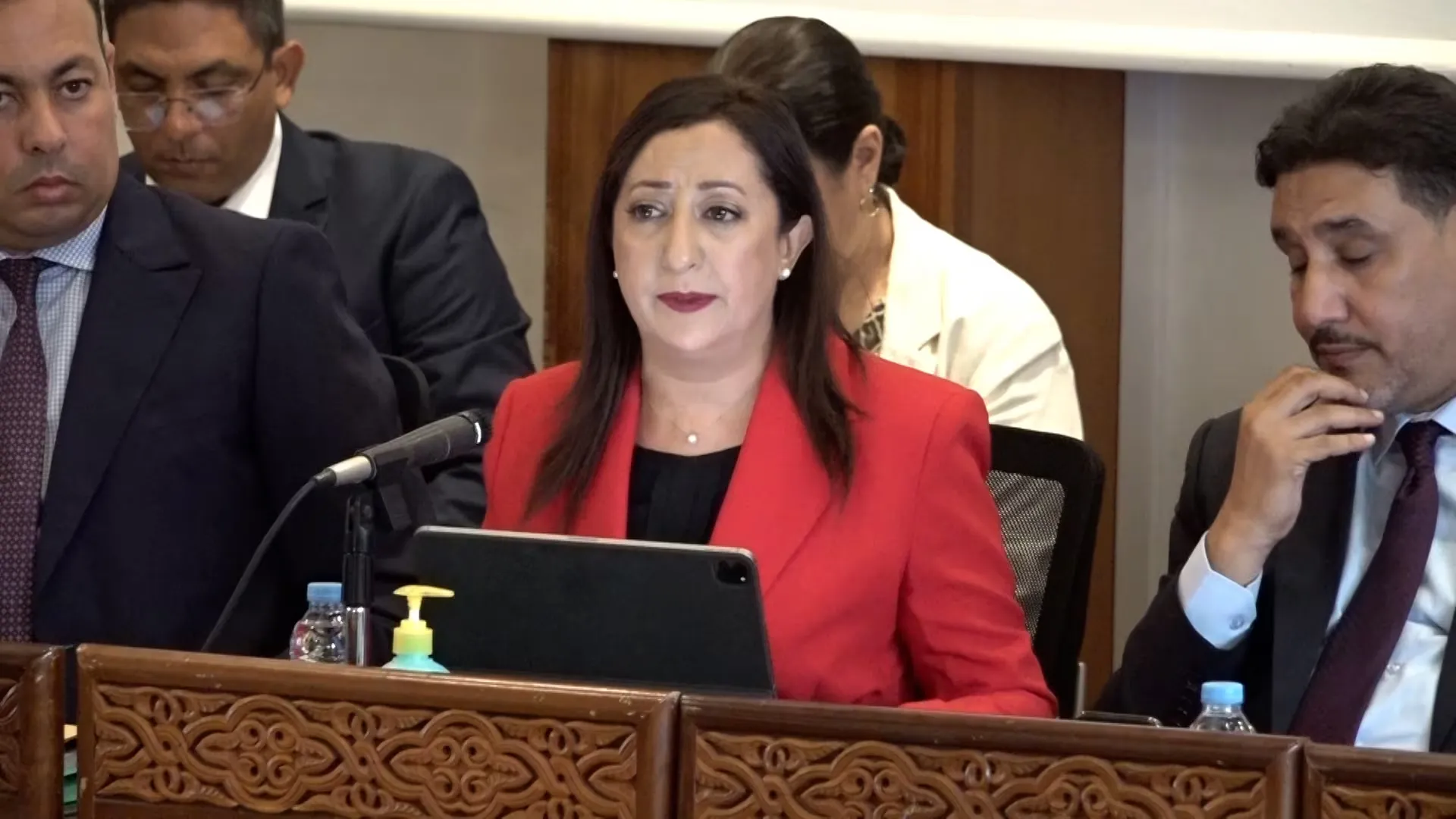
As Casablanca continues to be a hub of activity, attracting visitors and offering recreational spaces, the lack of clean, accessible, and secure public toilets remains a pressing issue. This concern was highlighted by Farida Jaïdi, the former Moroccan ambassador to Sweden and Brazil, and president of the EWA, during the recent launch of the campaign "100 Days, 100 Messages, One Fight: Dignity." This initiative is notably timed with the upcoming World Toilet Day, celebrated on November 19.
At a local level, the association does not claim to have conducted a comprehensive inventory of sanitary facilities. Instead, its approach is grounded in observing the metropolitan area and the daily challenges faced by its residents. Jaïdi emphasizes, "Our findings are quite straightforward: at the national level, we have recognized that the issue of access to clean, accessible, well-maintained, and secure toilets is significant." In the urban landscape, this problem takes on a unique dimension. "We are struck by the scarcity of public toilets, even in highly frequented and tourist-heavy areas like the Corniche of Casablanca," she points out.
The dilemma extends beyond a mere lack of facilities. Even when public toilets do exist, they may be closed or in a condition that falls short of the standards expected of an economic and tourist capital like Casablanca. This situation raises critical questions about urban living standards. In a city where public spaces are constantly utilized, access to sanitary facilities is not only a matter of hygiene and health but also of inclusion, allowing both locals and visitors to navigate the city for extended periods without relying solely on the restrooms of cafés, restaurants, or private establishments.
Efforts and Challenges in Improvement
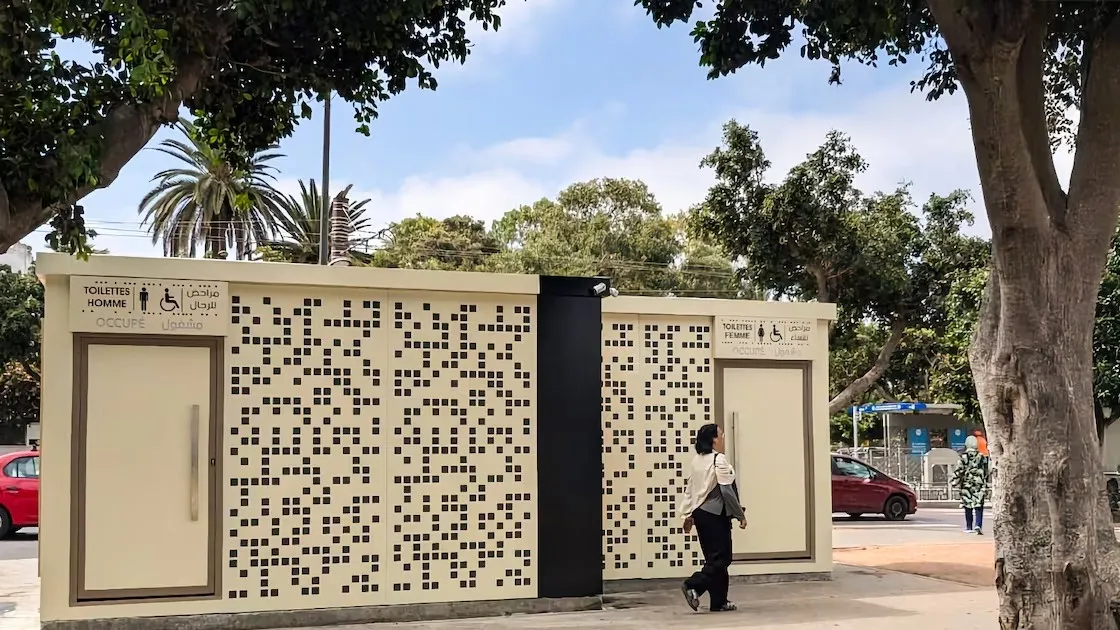
Despite these challenges, Casablanca has made some strides in improving the situation. According to Jaïdi, there is a "desire for improvement," as evidenced by the recent installation of around forty public toilets. However, she argues that this progress alone is insufficient to meet the needs of a metropolis of such scale and visitor frequency. The addition of more facilities also brings to light a secondary issue: their maintenance. Instances of vandalism have rendered some toilets unusable, indicating that the sanitary crisis transcends merely constructing infrastructure. "This demonstrates that the issue cannot be viewed solely from the perspective of facility installation," Jaïdi observes.
Ensuring cleanliness and availability of public toilets involves an entire chain of responsibility: installation, maintenance, upkeep, security, as well as respect for these facilities. This complex equation places the user at the center of the discussion. "A public toilet must be clean, accessible, well-maintained, and secure, but its sustainability also hinges on the respect shown by its users," she insists. She concludes that the challenge is twofold, as "we must not only expand the offerings but also enhance their quality and foster accountability among all stakeholders, including citizens." The initiative aims to extend the conversation about sanitary facilities beyond Casablanca. While the association acknowledges that it lacks the resources to comprehensively assess the situation in various cities across the Kingdom, it begins with a national observation: the access to clean, accessible, well-maintained, and secure toilets remains an important issue that warrants greater attention. From Rabat to Marrakech, as well as in Tangier, Fes, Agadir, and other tourist destinations, the question of public toilets presents different realities depending on the region.
As reported by lopinion.ma.