
The Alarming Influence of Social Media on Moroccan Youth
The recent events surrounding the Spanish enclaves of Ceuta and Melilla have unveiled a critical issue that resonates deeply within Moroccan society. Since September 2025, there have been organized calls for assaults on these territories, with social media serving as the primary catalyst. These incidents, which occurred on specific dates including September 15, October 11, January 18, and May 12, have shown a disturbing pattern of mobilization among youths, instigated by viral messages that spread rapidly, leading hundreds of young people to take extreme risks. Rather than being a mere spontaneous outburst of disillusioned youths, as some might believe, Spanish analyst José María Gil Garre has identified a more insidious operation. In his extensive report, he details the existence of multiple groups and pages that orchestrate these movements, undermining the notion of spontaneity. The European Commission has taken this matter seriously, with its Digital Commissioner, Henna Virkkunen, seeking evidence from social media giants like Meta and TikTok about the origins of these campaigns. This raises critical questions about how anonymous accounts can mobilize adolescents rapidly, bypassing parental and institutional oversight.
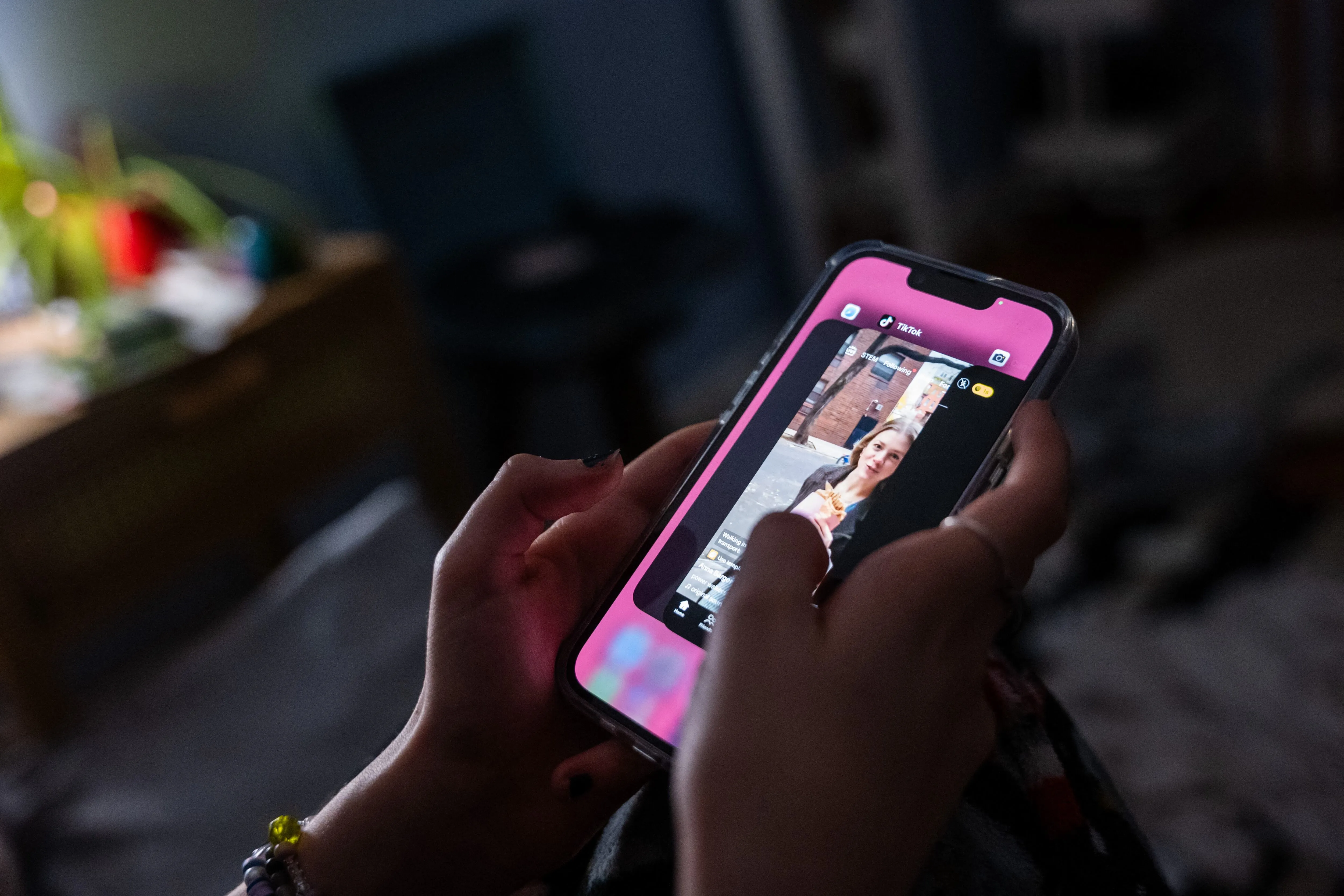
At the heart of this issue lies a troubling reality: the absence of parental authority in the digital age. Social media platforms such as TikTok, Instagram, and Facebook have assumed a parental role, influencing everything from behavior and fashion choices to the causes for which youths protest. Consequently, critical thinking has been overshadowed by a relentless need for validation, leading teenagers to become enamored with material possessions and superficial glamour. As a result, millions of adolescents are growing up under the dominion of algorithms designed not for their development but solely to capture their attention, while their families remain oblivious.
The Psychological and Social Consequences of Social Media Addiction
Experts in mental health have increasingly voiced their concerns regarding the detrimental effects of social media on young individuals. These platforms are engineered to maximize screen time, employing reward mechanisms that mirror substance addiction. Notifications arrive at precisely the right moments, endless scrolling offers no respite, and likes serve to either validate or humiliate users. This meticulously crafted system has left many adolescents devoid of critical thinking skills, leading to profound mental distress and, in severe cases, risky behaviors or even suicide.
The Economic, Social and Environmental Council (CESE) has highlighted the alarming risks associated with social media usage among minors, including the spread of misinformation, public opinion manipulation, and cyberbullying. Their findings reveal that 80% of surveyed Moroccan youth aged between 8 and 28 use the Internet regularly, with 70% engaging on social media. Disturbingly, 43% report sleep disorders, and 35.6% have experienced conflicts with their families or friends due to their online engagement. Furthermore, 41.5% have noted a decline in academic performance, and one-third has faced cyberbullying. The report also indicates that many youths lack understanding of privacy settings on their profiles, exposing them to various dangers.
Moreover, psychological disorders linked to excessive social media usage are on the rise, encompassing anxiety, depression, isolation, and even self-harm. CESE's findings paint a grim picture of a generation at risk, caught in a cycle that could lead to educational dropouts and social exclusion. A worrying trend is the rise of NEET (Not in Employment, Education, or Training) youth, who are sidelined by a society increasingly dominated by the allure of endless scrolling.
In light of these revelations, countries around the world are taking action to protect their youth from the perils of unregulated social media. Australia has led the way, implementing legislation that prevents children under 16 from creating accounts on major platforms. France, too, has followed suit, banning access for those under 15. Other nations, including Indonesia, Malaysia, and the United Kingdom, have enacted similar measures, highlighting a global movement towards stricter regulations.
As Morocco grapples with the implications of these findings, the question remains: what decisive actions will be taken to safeguard the future of its youth? The CESE has not only documented the current crisis but has also called for urgent solutions that ensure the well-being of the next generation. The time for action is now, as the consequences of inaction could resonate for years to come.
As reported by fr.le360.ma.