
The Essential Role of Amazigh Translation in Modern Society
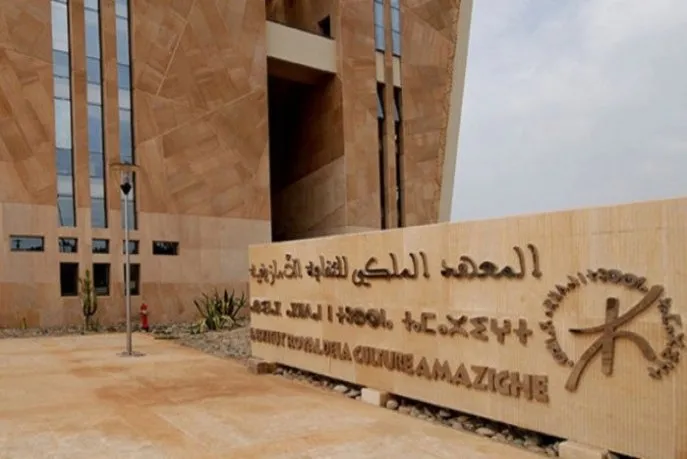
Recent discussions in Rabat have highlighted the critical importance of Amazigh translation in the context of cultural transmission and modernization. A roundtable held at the Royal Institute of Amazigh Culture (IRCAM) brought together researchers, academics, and translation professionals to explore how this discipline plays a strategic role in the development of the Amazigh language. The dialogue underscored that translation transcends mere linguistic transfer; it has emerged as a vital tool for disseminating knowledge, facilitating the exchange of ideas, and promoting languages within a culturally open environment enhanced by technological advancements.
Challenges and Innovations in Translation
Under the auspices of IRCAM's Center for Translation, Documentation, Publishing, and Communication, the event aimed to deepen the understanding of translation's future and its potential to solidify the status of the Amazigh language across institutional, educational, and media landscapes. Tayeb Boutbouqalt, the president of the National Order of Translators of Morocco, emphasized that translation is now recognized as a significant scientific and cognitive field, intersecting various disciplines. He discussed the rise of different theoretical approaches, including the French school of meaning and the German functionalist school, noting that the relevance of these theories is closely tied to the ethical dimensions of translation practices. Translators bear the responsibility of faithfully conveying the meaning of texts while respecting authors' intentions and the cultural contexts in which they operate.
Furthermore, the impact of artificial intelligence and new technologies on the translation profession was a focal point of discussion. Boutbouqalt argued that the current challenge lies in establishing a complementary relationship between human expertise and digital tools. This synergy allows for the benefits of assisted translation technologies while maintaining the translator's central role in interpreting, analyzing, and creating meaning. Hassan Akioud, president of the IRCAM Center, added that translating into Amazigh is a multidimensional practice that significantly contributes to the visibility and usage of the language in society. However, he also pointed out several challenges, including improving translation quality, adapting to technological changes, and enhancing working conditions for industry professionals.
In conjunction with these discussions, a partnership agreement was signed between IRCAM and the National Order of Translators of Morocco. This agreement, endorsed by IRCAM rector Ahmed Boukouss and Boutbouqalt, aims to strengthen cooperation in training, publishing, and knowledge sharing. The convention outlines plans for developing theoretical and linguistic training related to the Amazigh language, organizing joint conferences, and publishing translated works in and out of Amazigh. Through this initiative, both institutions aspire to professionalize the sector and expand the presence of the Amazigh language across various fields of knowledge and communication.
As reported by quid.ma.