As the anticipation builds for the upcoming FIFA World Cup, discussions abound regarding potential surprise contenders that could shake up the tournament. Among these candidates is the German national team, which, interestingly, does not consider itself a top favorite this time around. The notion of a 'dark horse' has historically been fraught with disappointment, as evidenced by Spain's prolonged wait for success and Colombia's unexpected exit in 1994, despite Pelé's predictions of victory for them. This year, Spain and France are widely recognized as the leading favorites by bookmakers and football analysts alike. However, the question remains: which teams have what it takes to dazzle the football world?
The Tagesspiegel has identified seven teams that might not lift the trophy in the end but possess the potential to progress deeper into the tournament than expected. Swiss captain Granit Xhaka is dismissive of the idea of his team being a dark horse, boldly questioning, "Why shouldn’t we become world champions?" While the immediate response might be their lack of historical success and their status as a small nation with a population of just nine million, Switzerland has consistently produced exceptional talent. Many of their standout players, including Xhaka, Johan Manzambi, and Denis Zakaria, have immigrant backgrounds, creating a multicultural squad in a country where political forces often seek to limit immigration.
Under the guidance of coach Murat Yakin, the Swiss team showed remarkable resilience during qualification, remaining unbeaten. They typically employ a tactical 4-3-3 formation, spearheaded by the physically imposing Breel Embolo. Alongside him are Dan Ndoye and Rubén Vargas, with seasoned defenders like Manuel Akanji and Denis Zakaria providing stability at the back. The orchestrator of the team is Granit Xhaka, now playing for Sunderland in England, who has learned to temper his fiery temperament while maintaining his fierce ambition. In a group that includes Canada and Bosnia-Herzegovina, Switzerland emerges as a clear favorite. A potential Round of 16 clash against the Netherlands could present an intriguing challenge, as the Swiss have developed a competitive edge against the Dutch in recent years.
Meanwhile, Morocco, which reached the semi-finals in the previous World Cup, faces a more challenging path this time. After a tumultuous finale to the Africa Cup against Senegal, which resulted in a controversial victory at the Green Table, the team saw the departure of successful coach Walid Regragui, replaced by Mohamed Ouahbi. Ouahbi, who led the U-20 team to World Cup glory last year, is banking on young talents like Ayyoub Bouaddi and Bilal El Khannouss to shine on the world stage. The squad also boasts experienced players such as Noussair Mazraoui and Achraf Hakimi. Having won all eight of their qualifying matches, Morocco is set to face Brazil, Haiti, and Scotland in their group, with a challenging potential match against the Netherlands in the Round of 16.
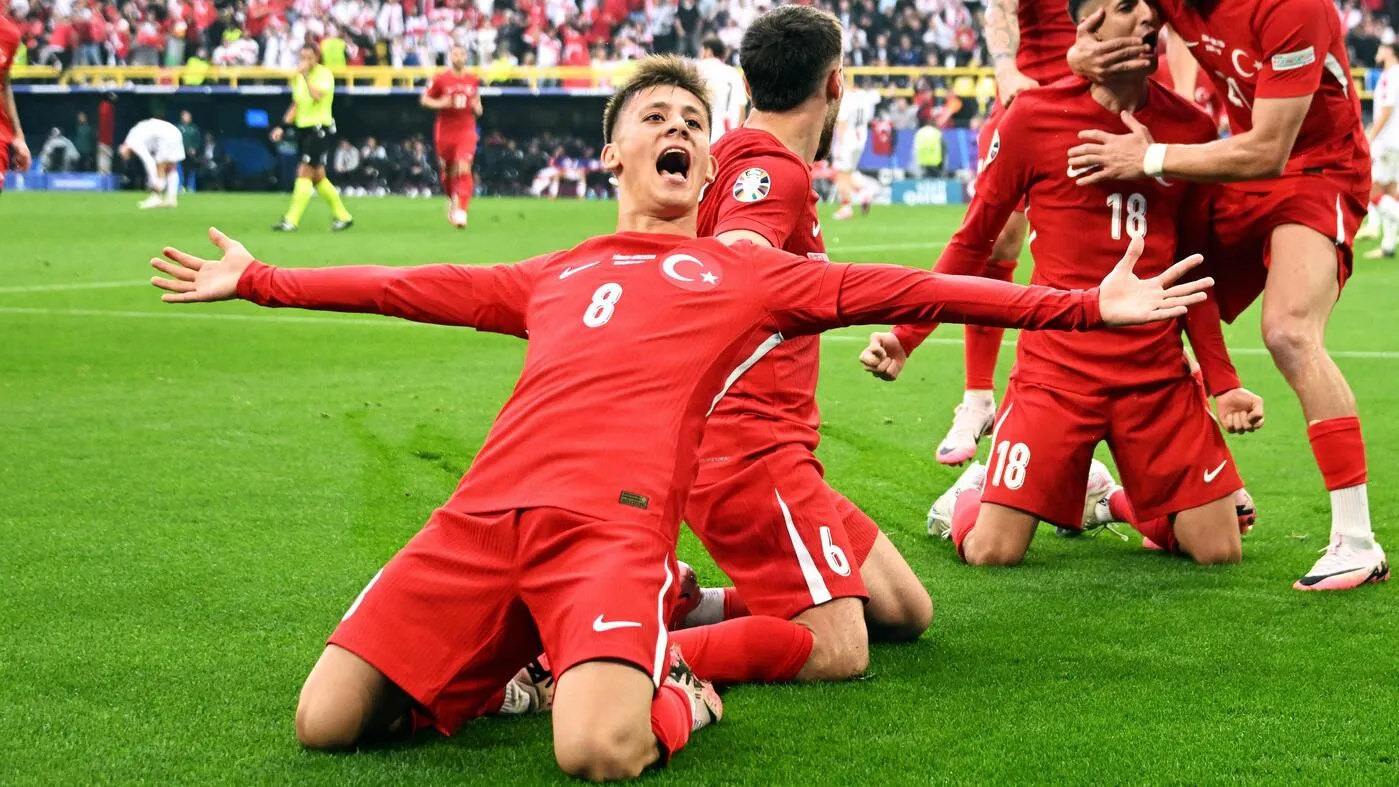
Fans are eager for the Turkish team, which is expected to generate a vibrant atmosphere at the tournament, especially among the large Turkish community in Germany. Turkey's last World Cup appearance was 24 years ago, and despite the ongoing challenges of management and corruption within Turkish football, the squad is brimming with talent. Players like Arda Güler and Kenan Yildiz represent the new generation, while seasoned midfielder Hakan Çalhanoğlu is tasked with organizing the play. The team, typically set up in a 4-2-3-1 formation, will be led by coach Vincenzo Montella, who has built a cohesive unit capable of surprising higher-ranked opponents.
Japan, long touted as a nation on the brink of footballing greatness, enters this World Cup with a strong squad, having qualified as the first team overall. Coach Hajime Moriyasu, who developed many of the players during his tenure with the U-23 team, emphasizes tactical flexibility and quick ball movement, often overwhelming opponents. However, injuries to key players like Kaoru Mitoma have raised concerns, and Japan finds itself in a challenging group alongside the Netherlands, Sweden, and Tunisia.
Senegal's footballing history is punctuated by their memorable victory against France in the opening match of the 2002 World Cup. This year's meeting promises to be a thrilling encounter, with Senegal emerging as a stronger side than in the past. Coach Pape Thiaw's squad boasts a blend of experience and emerging talent, with players like Sadio Mané and Nicolas Jackson leading the attack. Ranked 14th in the FIFA rankings, Senegal is positioned just behind Germany, reflecting their consistent performance on the international stage.
Norway, aiming to make a mark at this World Cup, showcases a unique spirit, evident in their recent team photo donned in Viking attire. With star striker Erling Haaland in exceptional form, supported by fellow forwards Alexander Sørloth and Jørgen Strand Larsen, Norway's attacking prowess is formidable. Under coach Ståle Solbakken, the team is eager to break a long absence from major tournaments, with a potential resurgence on the horizon.
As for Germany, the four-time champions find themselves labeled as a dark horse this time around. Following disappointing performances in recent tournaments, including a last-place finish in 2018 and a group-stage exit in 2022, the team now ranks tenth in the world. Despite the recent struggles, there remains a glimmer of hope for a resurgence, contingent upon the creative talents of Florian Wirtz and Jamal Musiala firing on all cylinders. The unpredictability surrounding the German team adds an intriguing element to their World Cup campaign, where surprises may be around the corner.
As reported by tagesspiegel.de.