
Desert Locusts Eliminated in the Souss Region
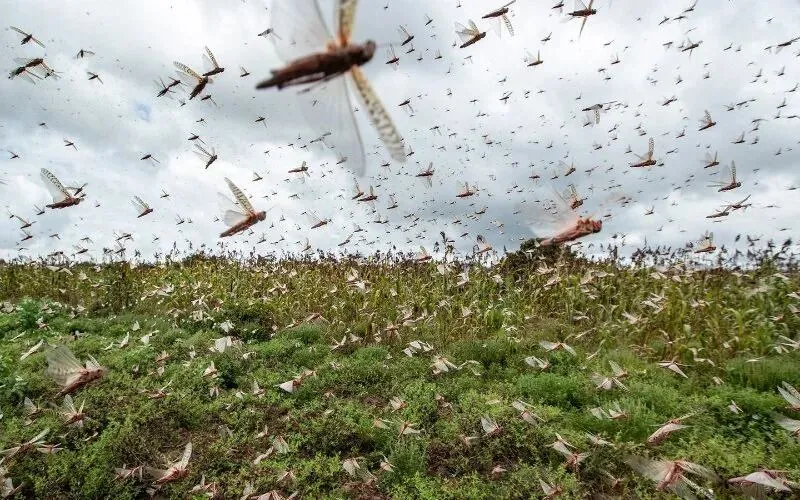
A significant agricultural breakthrough was announced earlier this week regarding the complete eradication of desert locusts that had invaded various agricultural lands in the Souss region. Following weeks of extensive infestation, the regional agriculture director, K. Noureddine, declared that over 71,000 hectares of farmland have been successfully treated. This announcement was made during a special meeting held at the Regional Chamber of Agriculture in Agadir, attended by agricultural professionals, farmers, and cooperative members.
In detail, the eradication efforts covered several provinces, including Tata, Tiznit, Chtouka Aït Baha, Taroudant, and Agadir-Ida Outanane. Remarkably, 33,000 hectares were treated aerially using aircraft from the Royal Gendarmerie and the Royal Armed Forces, while 38,000 hectares were addressed through ground operations utilizing over fifty specially equipped all-terrain vehicles designed for the application of pesticides on both farmland and fruit trees.
This extensive operation was conducted daily and tirelessly since the detection of the first locust swarm in the affected areas. The rapid and well-coordinated response to this locust threat has preserved numerous fields and agricultural operations, bringing immense relief to farmers who were at risk of losing their livelihoods. While some damage was reported in certain areas, it was minimal compared to previous locust invasions, owing to the vigilant monitoring by relevant services and the swift effectiveness of their interventions.
Continued Vigilance Required
Despite the successful eradication of desert locusts in the Souss region, it is crucial to maintain vigilance. The Food and Agriculture Organization (FAO) had previously warned of a significant risk of locust invasions in southern Morocco, where swarms can reconstitute and threaten agricultural zones stretching from Tan-Tan to the northern parts of Agadir. Thus, ongoing monitoring and preparedness are essential to safeguard the region's agricultural future.
As reported by fr.le360.ma.