
Burial of Migrants in Ceuta After Deadly Border Crossing
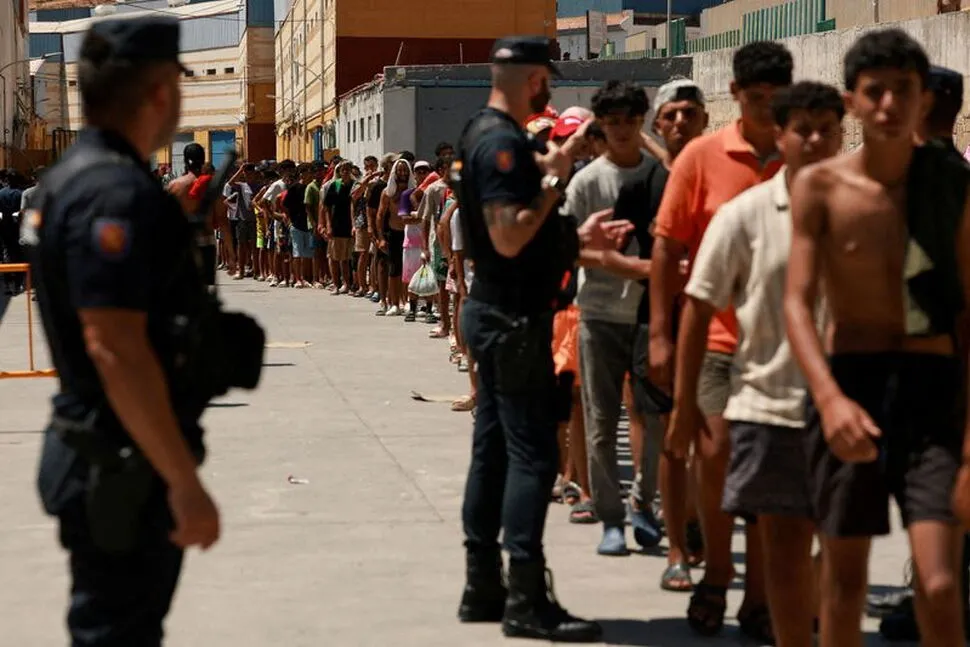
On August 21, 2026, a somber scene unfolded in Ceuta, Spain, where a group of gravediggers, clad in protective gear, began the process of burying the first victims of a recent mass migration incident that resulted in the loss of numerous lives. This tragic event occurred approximately three weeks prior, during a desperate attempt by thousands of migrants to cross the border from Morocco into the Spanish enclave. Amidst the backdrop of the ongoing humanitarian crisis, a Muslim cleric led a brief prayer as the first four bodies, wrapped in white shrouds, were interred side by side in cinderblock-lined graves at the local Muslim cemetery.
The cemetery's manager, Said Mohammed, indicated that plans were underway to bury around 70 bodies over the coming days, with between 10 to 12 burials scheduled each day. Disturbingly, about 95% of those interred have yet to be identified, although each grave is marked with a numbered stone to facilitate potential claims and repatriation in the future. The chaotic border crossing on July 30 saw an estimated 72,000 migrants surge into Ceuta, resulting in at least 82 fatalities on the Spanish side and an additional 14 confirmed deaths in Morocco.
Challenges in Identifying Migrants
The identification process for the deceased has been fraught with challenges, as authorities have only been able to confirm the identities of six migrants, all of whom were adult males from Morocco. Many distressed families have taken to social media in search of their missing loved ones, urging officials to provide them with information regarding their whereabouts. To assist in the identification efforts, the fingerprint data of the deceased has been cross-referenced with both Spanish and Moroccan databases, while DNA samples have been collected from relatives willing to help. However, obstacles remain, particularly the legal barriers preventing Moroccan relatives from easily crossing into Ceuta to submit their DNA for testing.
This heart-wrenching situation not only underscores the peril faced by those seeking a better life but also highlights the broader implications of migration policies in the region. As the burials continue, the community mourns the lives lost and grapples with the urgent need for comprehensive solutions to the ongoing migration crisis.
As reported by usnews.com.