
Graves Marked by Numbers for Lost Migrants in Ceuta
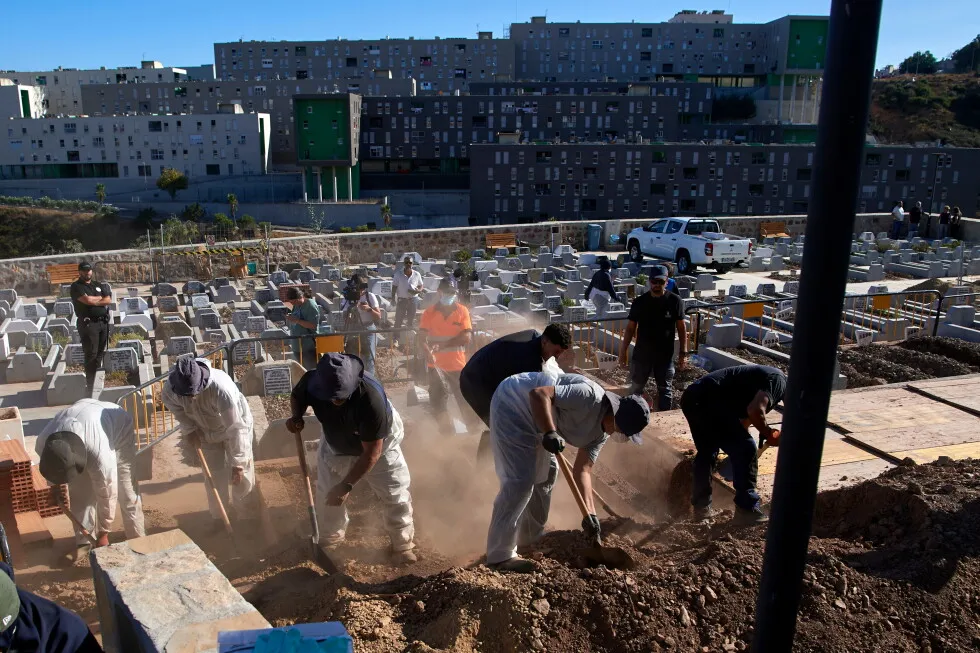
In a somber ceremony marked by the murmurs of prayers, funeral workers in Ceuta, Spain, laid to rest the bodies of migrants who tragically lost their lives while attempting to cross the perilous waters from Morocco. On August 21, 2026, at a cemetery situated at the northern tip of Africa, gravediggers lowered body bags into graves that were simply marked with numbers, signifying the anonymous nature of these victims. A small group of local residents gathered to witness this heart-wrenching event, which underscored the severity of the ongoing border crisis that has engulfed the region.
These deceased migrants were among over 90 individuals who perished in what has been described as Spain's most deadly border crisis in recent history. The crisis has been exacerbated by a toxic mix of misinformation, rampant poverty, and a profound lack of economic opportunities, leading more than 72,000 individuals to attempt the treacherous journey into Ceuta, a Spanish enclave adjacent to Morocco.
Call for Dignity in Death Amidst Humanitarian Struggles
During the burial ceremony, the Islamic cleric recited prayers and chants in honor of the deceased, while funeral workers hurriedly interred the white body bags, covering them with soil as a sign of respect. On that fateful Friday, a total of 18 migrants were laid to rest, with expectations that more burials would follow in the coming days. The Moroccan Association for Human Rights, an NGO, has demanded that all burials be halted until every possible effort has been made to identify the bodies and facilitate their repatriation to Morocco, the home country for the majority of these migrants.
The organization has expressed concerns over the dignity of the deceased, stating in a recent declaration that the burials in Ceuta represent a "new human tragedy" that compounds the already dire situation faced by migrants, many of whom have gone missing or have been displaced. They urged Morocco's foreign ministry to take action to ensure that the bodies are returned to their families for proper burial rites.
Reports indicate that many of those who perished either drowned or were tragically caught in a stampede as they attempted to cross a breakwater barrier near a border checkpoint. Although the city government of Ceuta announced that the necessary paperwork for repatriation was completed, it appears that the Moroccan government has yet to accept these arrangements. This lack of response raises further questions about the bureaucratic hurdles that complicate the identification and repatriation of these unidentified individuals.
In the aftermath of this tragedy, local authorities have indicated that while many of the migrants who crossed into Ceuta in late July returned to Morocco shortly after, there remains a significant population of up to 10,000 migrants, including women and children, who are still stranded in the city. This situation continues to extend the humanitarian crisis, as local communities and authorities struggle to provide adequate shelter and support for these individuals. In contrast, Spain's national government has reported a lower estimate, suggesting around 5,000 migrants are still present.
The events leading up to this tragedy have been attributed by both Moroccan and Spanish authorities to the spread of social media rumors and the activities of human smuggling networks, while migrants have cited unemployment and inadequate wages as driving forces behind their dangerous journeys.
As the burials concluded, the graves were marked with numbered stones, allowing for potential future claims by families seeking to retrieve their loved ones. Under Islamic tradition, the bodies were positioned to face Mecca, a poignant reminder of the cultural significance of burial practices, while just across the waters lies mainland Europe, the ultimate destination for many of these migrants.
As reported by apnews.com.