
Understanding the Human Cost of Migration: The Case of Abderrahim Fakir
In a poignant incident that has ignited discussions around migration policy in Europe, the death of Abderrahim Fakir, a Moroccan businessman in Bologna, Italy, reveals the profound human costs underlying the ongoing migration debate. Following a series of distressing events that culminated in his tragic death on July 19, the narrative surrounding Fakir's life and struggles has become a focal point for critics of Italy's right-wing government, particularly as it pertains to their handling of immigration and law enforcement. Just days prior to his death, a video surfaced showing police officers restraining him on the ground, a moment that would spark outrage and calls for accountability from both citizens and opposition politicians.
Fakir, who had lived in Italy for over three decades, was a well-known figure in his community, operating a small metalworking business. However, beneath his friendly exterior lay significant personal struggles, including the fear of repatriation to Morocco, which compounded the pressures of running his business. His case highlights an unsettling trend in political discourse where migrants are often dehumanized, reducing complex individuals to mere statistics or caricatures. Sociologist Maurizio Ambrosini points out that many politicians exploit this dehumanization, making it easier to sidestep the intricate human considerations that should accompany discussions about immigration policy.
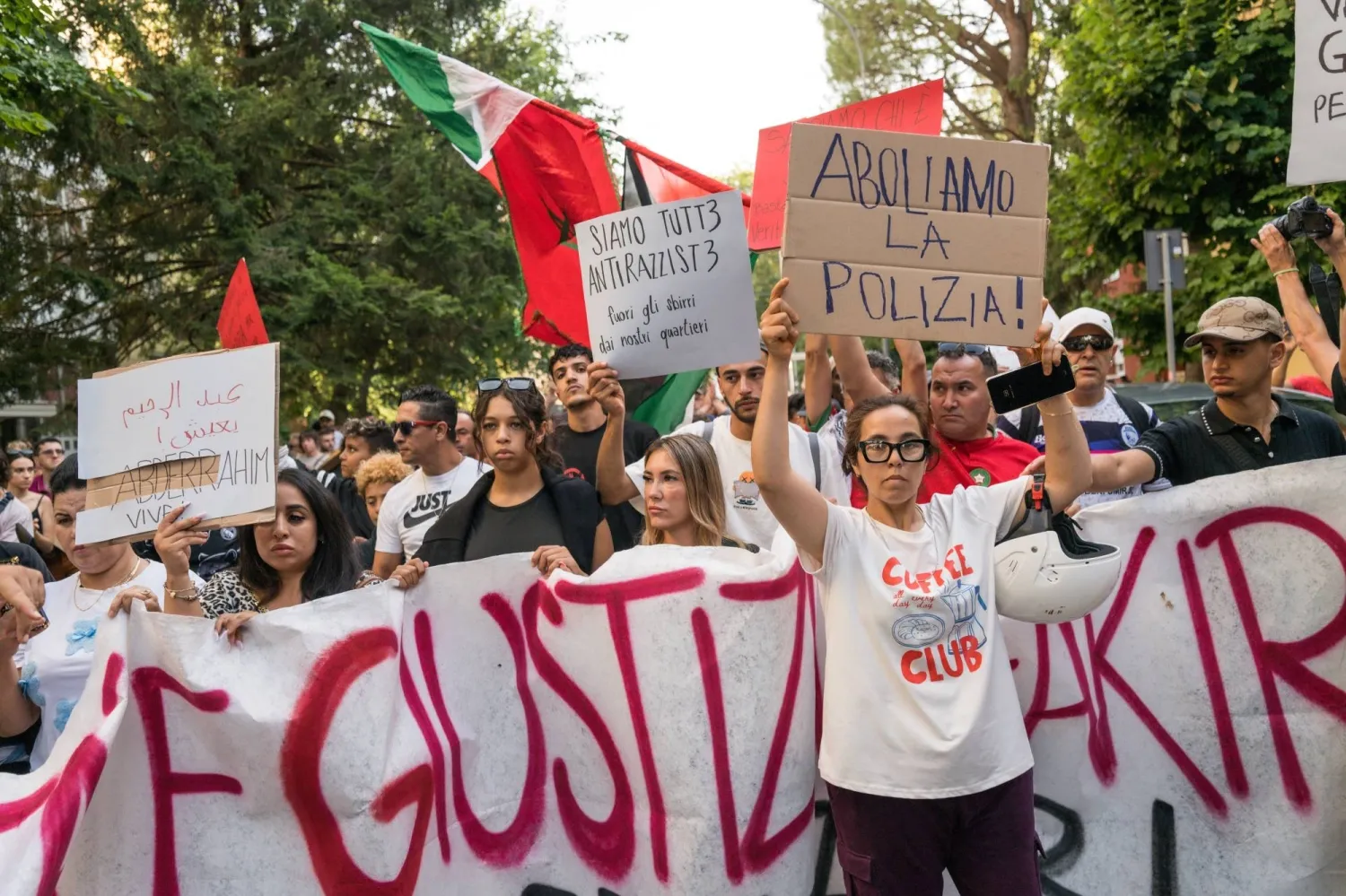
The events leading up to Fakir's death were marked by a disturbing encounter with law enforcement. Community members reported a man in distress, leading to police intervention that tragically escalated. Videos taken during the incident depict the harrowing scene as officers restrained him while he pleaded for help. The aftermath saw Bologna's Mayor Matteo Lepore organizing a rally to demand accountability, which, while peaceful at its outset, turned violent as tensions boiled over between supporters of the government and those calling for justice for Fakir.
In the wake of this tragedy, the narrative surrounding Fakir has been manipulated by various political factions. Right-wing media outlets portrayed him as a disruptive figure, focusing on past drug convictions rather than his recent struggles and contributions to society. Conversely, opposition leaders have accused the government of endorsing systemic racism and police brutality. This complex interplay of narratives underscores the necessity for a more nuanced understanding of individual migrant stories, as opposed to the oversimplified and often distorted portrayals prevalent in political rhetoric.
Ultimately, the death of Abderrahim Fakir serves as a stark reminder of the urgent need for compassionate discourse surrounding migration issues in Europe. As society grapples with the implications of these events, it is essential to recognize the humanity of individuals like Fakir, whose lives and struggles are often overshadowed by political agendas. Such tragedies call for a reevaluation of how migration is approached, advocating for policies that prioritize empathy and understanding over fear and division. In conclusion, the conversation surrounding immigration must evolve to reflect the complex realities faced by migrants, ensuring that their voices are heard and their stories valued.
As reported by japantimes.co.jp.