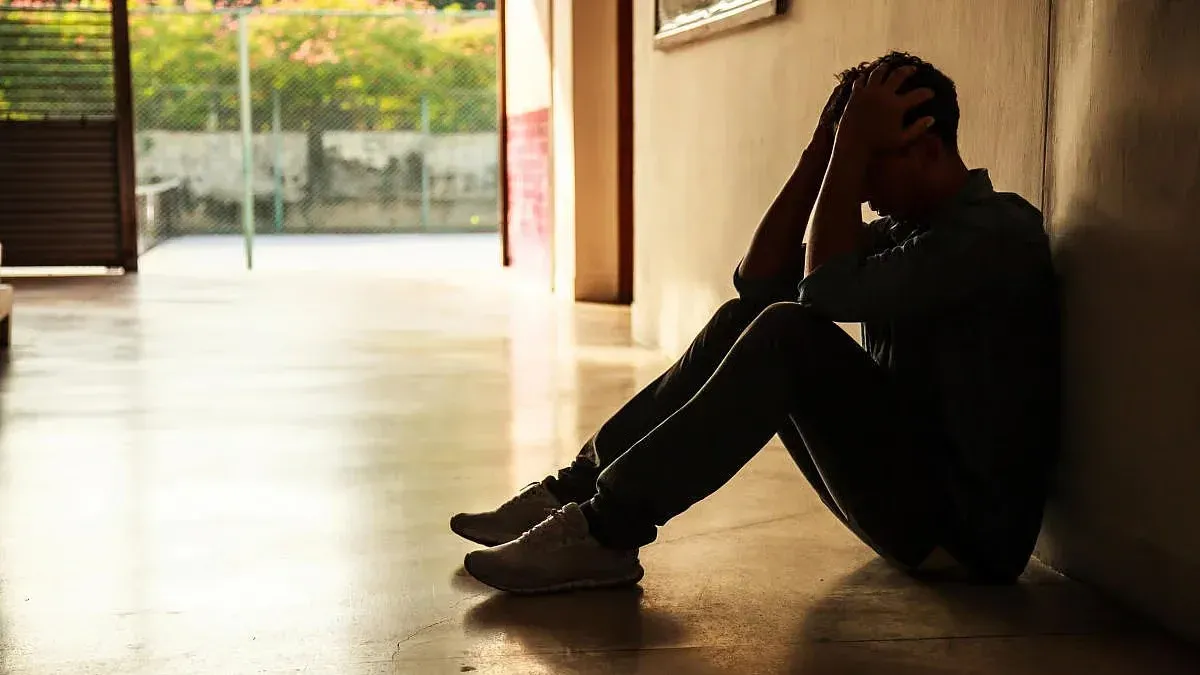

Casablanca — A tragic incident occurred at Morocco’s National Institute of Statistics and Applied Economics (INSEA) in Rabat, where a student was discovered deceased in the dormitory earlier this week, according to multiple reports. The student, who has been identified by the initials A.M., was approximately 22 years old and was in his final year of the engineering program specializing in Applied Statistics and Big Data. His lifeless body was found in his room on Monday, June 15, after a fellow student noticed he was unresponsive and promptly alerted the administration and authorities.
Reports indicate that the student was discovered hanging within his room. In response to the situation, judicial police and forensic teams were dispatched to the location, while the public prosecutor’s office has initiated an investigation to ascertain the precise circumstances surrounding his death. Following the discovery, the body was transferred to the morgue to facilitate the necessary legal and medical processes.
There are claims suggesting that the student had been grappling with psychological issues in the time leading up to his untimely death. Some classmates have reported that he had previously voiced dark thoughts, and according to additional sources among the student body, he had shared social media posts that indicated suicidal ideation. However, these assertions have yet to be officially verified by investigators.
The shocking news has reverberated throughout the student and staff community at the Rabat institution, especially since the young man was reportedly preparing to defend his graduation project in the upcoming days. Fellow students have remarked that he had successfully completed his studies and was on the brink of concluding his academic journey.
While incidents of student suicides are not commonplace in Morocco, such tragedies have periodically ignited discussions regarding the necessity for mental health support within educational institutions. Earlier this year, the suicide of a high school student in Temara reignited worries about the lack of psychological support services available to young individuals.
The availability of mental health services remains limited throughout the country, with specialists predominantly located in major urban centers. Accessing psychological care can often be challenging, especially for students and those from low-income families. There has been a growing call for universities to enhance their counseling and mental health support services, particularly as anxiety, stress, and depression become increasingly prevalent among young Moroccans.
However, structural shortages represent only a portion of the broader issue. Deep-seated social stigmas and taboos continue to significantly impact the perception and treatment of mental health in Morocco. Psychological distress is often dismissed, minimized, or shrouded in silence, regarded more as a personal weakness or source of shame rather than a pressing public health concern.
This pervasive culture of denial discourages individuals from seeking help and perpetuates the absence of supportive structures. Consequently, many endure their struggles in solitude, with intervention occurring too late, if it occurs at all, while educational institutions face minimal pressure to act with the urgency the situation warrants.
The investigation into the circumstances surrounding the INSEA student’s death remains ongoing. As reported by moroccoworldnews.com.