
In a heartbreaking event that underscores the dangers faced by migrants attempting to reach Europe, a tragic series of incidents occurred as dozens of Moroccans lost their lives while trying to cross into Spain. Among these individuals were Ayoub Akbili, Hamza Haibouri, and Abdelouahed Iken, who, driven by aspirations for a better life, tragically succumbed to the perilous conditions of migration. The trio fell victim to a misinformation campaign that falsely suggested the border was open, prompting a mass exodus of hopeful individuals.
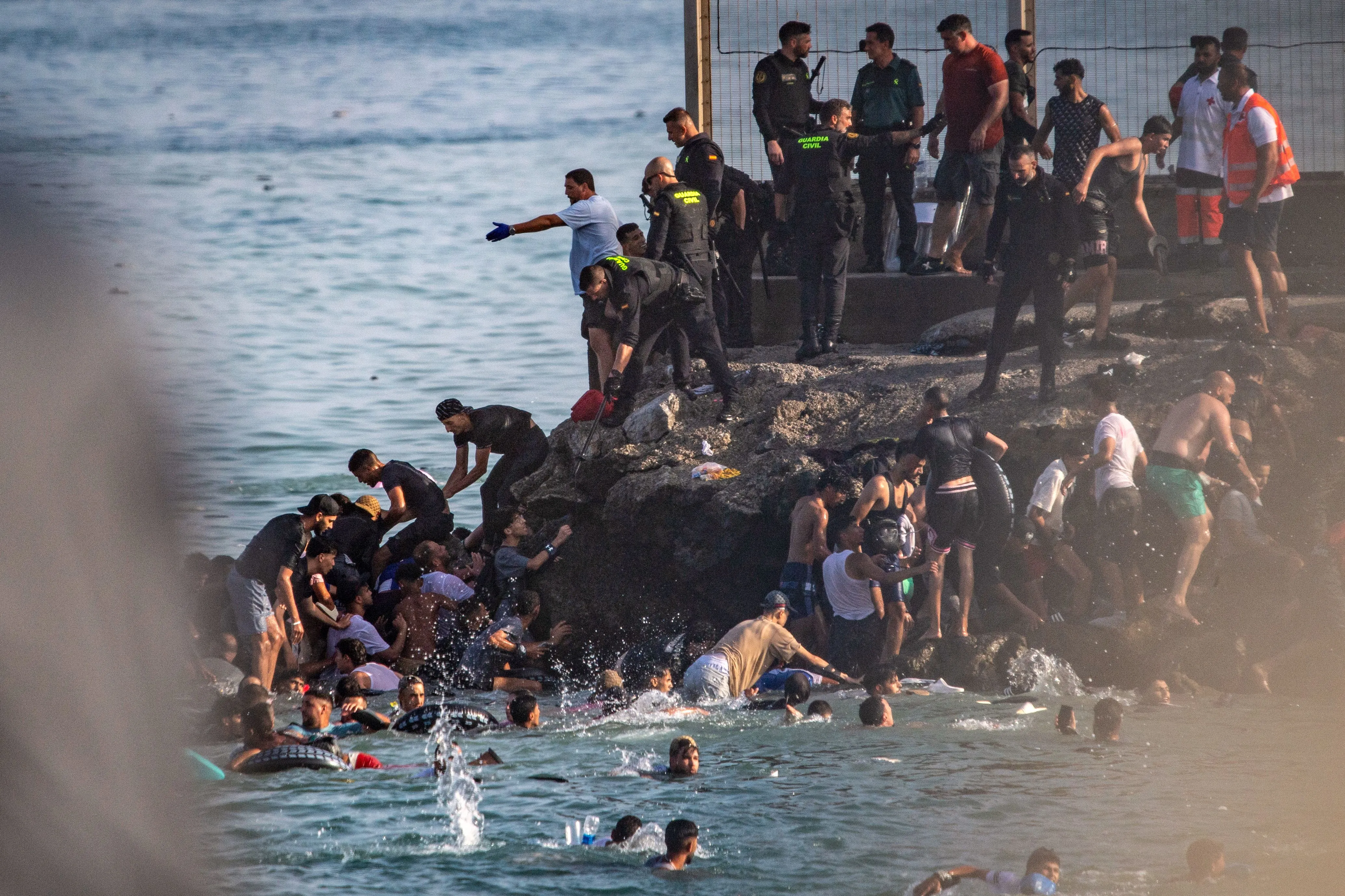
In late July, an overwhelming wave of over 70,000 would-be migrants from Morocco and beyond attempted to swim or climb over barriers to reach Ceuta, a Spanish enclave situated along the North African coast. Official reports indicate that at least 90 individuals died during this perilous journey, while human rights organizations suggest the death toll may be significantly higher. Many families are still grappling with the loss, unable to recover the bodies of their loved ones.
The Desperate Pursuit of Dreams
Ayoub Akbili, a 31-year-old resident of Tangier, had long contemplated migration, primarily due to the pressing need for funds to cover his mother’s surgery. Despite holding a degree in physics, he was working at a car parts factory, earning a modest income of approximately $421 a month. As Morocco's economy, which is projected to grow by 4.5% this year, struggles to create sufficient job opportunities, many like Akbili find themselves at a crossroads of desperation and hope.
The catalyst for Akbili’s fateful decision was a series of social media posts suggesting that the border into Ceuta was open. This misinformation ignited a wave of optimism, leading him to persuade his friend Abdelhakim Saadaoui to join him. When they arrived at the border on July 31, chaos erupted as crowds surged toward the frontier, leading to confrontations with police who deployed tear gas and stun grenades. While Saadaoui ultimately chose to retreat, Akbili pressed forward, only for communication to cease shortly thereafter.
Tragically, reports later indicated that Akbili died due to severe head trauma, with circumstances surrounding his death raising suspicions of foul play. His family was informed that he had fallen from a cliff, yet doubts lingered regarding the validity of this explanation, especially given that his belongings remained untouched.
Dreams Dashed and Lives Lost
Hamza Haibouri, a 28-year-old soccer player, was motivated by dreams of success in Europe. Having played for Morocco's Kenitra Athletic Club, he was drawn to the prospect of a better life and a promising soccer career. In the midst of a vacation in Martil, he joined the throngs heading toward Ceuta, only to meet a tragic end during the chaotic crossing. His family learned of his death through announcements from his soccer team's fan club, highlighting the devastating impact of this crisis on loved ones.
Similarly, 19-year-old Abdelouahed Iken, who was nearing the completion of his high school education, succumbed to the treacherous waters while attempting to cross. His family, who were unaware of his journey until it was too late, are now grappling with the painful reality of his death as they strive to bring his body home from Ceuta.
The desperation for a better life often leads individuals to embark on perilous journeys fraught with danger. The allure of Europe, with its promise of stability and economic opportunity, continues to draw many from Morocco and beyond. However, the tragic fate of these three young men serves as a stark reminder of the harsh realities of migration. Their stories resonate as a call for urgent humanitarian response and a reevaluation of the conditions driving individuals to risk everything for the hope of a brighter future.
As reported by wral.com.