
Insights from the 2025 National Family Survey
In a significant development for understanding familial structures in Morocco, the High Commission for Planning (HCP) has unveiled the pivotal findings of the 2025 National Family Survey. This comprehensive study, which marks the second of its kind since the initial survey conducted in 1995, offers a data-rich exploration into the evolving dynamics of family life amidst the backdrop of broader social and demographic changes.
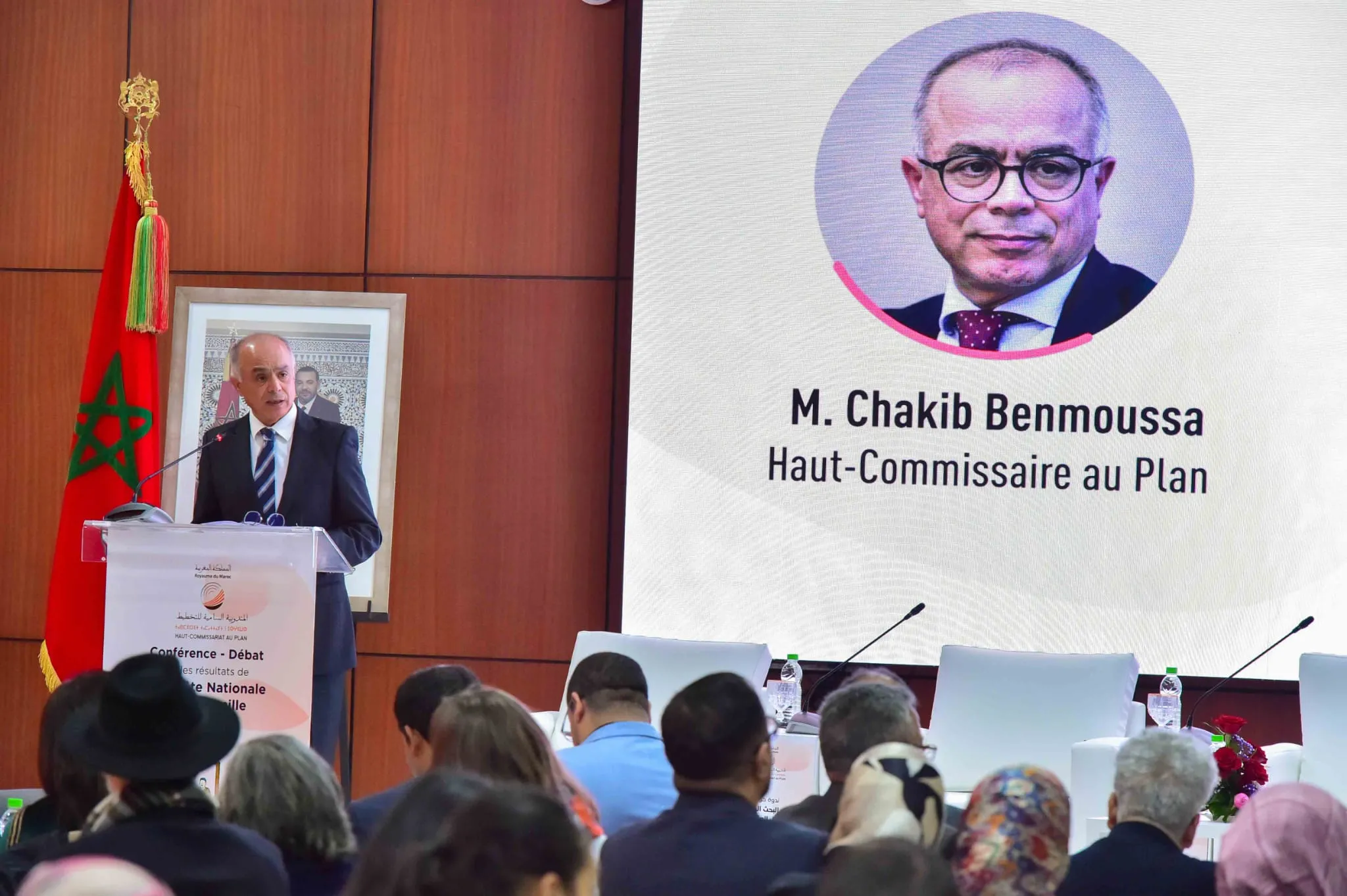
Chakib Benmoussa, the chief of HCP, presented these findings during a national press conference held in Rabat. The report emphasizes a noteworthy shift in the traditional family model, illustrating that while families remain the cornerstone of social structure and vital agents of socialization, they are undergoing significant transformations. The report highlights that despite these changes, Moroccan families continue to fulfill essential roles in both demographic reproduction and the integration of individuals into societal frameworks.
Factors Influencing Family Structure Changes
The HCP report identifies several key factors that have contributed to the transformation of family models in Morocco. Among these, the health crisis triggered by the COVID-19 pandemic and the ongoing modernization process, particularly urbanization, have had profound impacts. Additionally, the expansion of educational opportunities, shifts in lifestyle choices, and increasing residential mobility have all played crucial roles in reshaping family dynamics. The data indicates a decline in average household size, which fell from 4.6 individuals in 2014 to 3.9 in 2024, marking a significant shift below the four-person threshold. Concurrently, the report highlights a rise in the feminization of household headship, which increased from 16.2% to 19.2% during the same period.
Moreover, the report brings attention to the aging demographic, noting that the proportion of elderly individuals reached 13.8% in 2024—a marked increase from 9.4% a decade earlier. Another noteworthy trend is the rise in nuclear families, consisting solely of parents and their children, which surged to 73% compared to 60.8% in 1995. This shift has been particularly pronounced in urban areas, where the average annual growth rate of this family model was recorded at 3.6%, in contrast to just 2.4% in rural settings. Additionally, the incidence of childless couples has escalated from 3.4% to 9.4%, reflecting trends that are evident in both urban and rural contexts.
Single-parent households have also seen an increase, with the percentage of families led by a single parent rising from 7.3% to 8.8%, reaching 9.9% in urban areas and 6.5% in rural regions. These statistics provide a compelling overview of the evolving nature of family structures in Morocco, indicating a significant departure from traditional extended family arrangements toward more modern, nuclear configurations.
As reported by moroccoworldnews.com.