

Exploring the Fragility of Diplomatic Gains
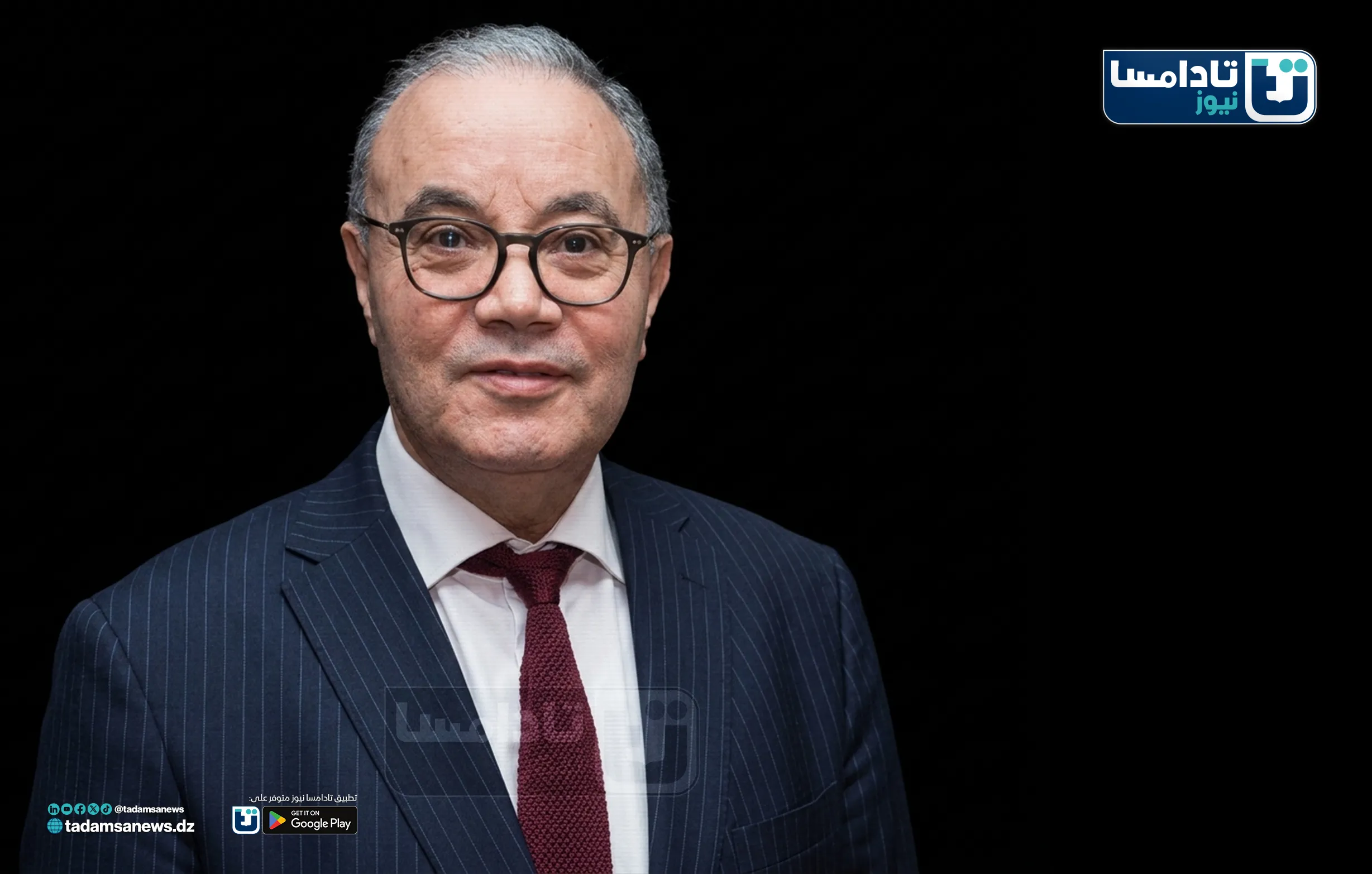
Former Algerian diplomat Ammar Belani has critically analyzed the Abraham Accords and their implications for Morocco and the UAE. He argues that these agreements have not established fortified strategic alliances backed by law but rather created a 'contractual diplomacy' that links normalization with Israel to direct American concessions. Morocco, for instance, received presidential recognition of its claimed sovereignty over the disputed Western Sahara region, while the UAE was granted a broader pathway to advanced American weaponry and semiconductor technologies. However, Belani warns that these gains are contingent upon the decisions of the American executive branch, subject to potential revision with any change in administration or shifts in congressional power dynamics.
In his political contribution, Belani highlights the unique nature of the arrangements initiated by Donald Trump's administration in 2020, characterized by a clear quid pro quo between normalization and advantages. He asserts that Morocco’s rapprochement with Israel cannot be divorced from the U.S. decision regarding Western Sahara, just as the UAE's normalization is intertwined with its ambitions to acquire F-35 fighter jets and military technologies, which are only granted under strict political and security oversight by Washington.
The Legal and Political Landscape
Belani's analysis points out a critical legal distinction between executive decisions and federal legislation. The American recognition of Morocco's stance on Western Sahara was issued in December 2020 under Presidential Proclamation 10126 and has yet to be codified into law by Congress. Although the Trump administration reiterated its position in August 2026, this renewal does not alter the legal nature of the original recognition, as it remains tethered to a presidential decision rather than a permanent legislative commitment. Meanwhile, the United Nations continues to classify Western Sahara as a non-self-governing territory, affirming the Sahrawi people's right to self-determination, as noted in UN Resolution 2797 from October 2025.
Belani maintains that the political recognition granted to Morocco lacks legislative immunity. He points out that Morocco’s situation exemplifies the political quid pro quo model, as Trump's declaration coincided with the resumption of formal relations between Rabat and Tel Aviv. Legal analyses have described this decision as a reversal of decades of American policy, framing it as a deal tying recognition of Moroccan claims to the normalization of relations with Israel. Belani argues that this step should not be viewed as a definitive legal transformation but rather as a politically tenuous gain closely associated with the Trump administration. He cites the symbolic use of American political imagery within the occupied territories, noting the naming of a road towards Dakhla after Trump, which attempts to create a permanent representation of a decision that remains institutional and alterable by subsequent presidential action.
Despite the fragile nature of these diplomatic achievements, Belani suggests that Morocco will not remain passive in the face of potential shifts in American policy. He anticipates that the kingdom will actively seek to expand its role within American strategic interests by enhancing security and military cooperation, offering its economic and logistical capabilities to support American interests, particularly in phosphates, critical minerals, green hydrogen, and the Tangier-Mediterranean platform. Consequently, normalization transcends a mere diplomatic event marked by the exchange of representation; it evolves into an open-ended commitment where Rabat must continuously demonstrate its security and economic value to Washington and maintain its partnership with Israel, even against the backdrop of Moroccan public sentiment opposing the war in Gaza.
Belani further contends that the American recognition was achieved at the expense of the Palestinian cause, which is a conflict that Morocco’s monarch is expected to champion as the head of the Jerusalem Committee. He believes that this quid pro quo stripped the issue of its principled nature, reducing it to a direct exchange between normalization with Israel and receiving American political support for the Western Sahara issue.
In contrast, the UAE's situation, while differing in the nature of its political gains, also exhibits vulnerabilities. Abu Dhabi sought not a diplomatic recognition linked to a regional dispute but rather an enhancement of its standing with Washington to secure advanced military and technological capabilities essential for elevating its security profile and establishing itself as a global hub for artificial intelligence. Following the normalization of relations with Israel, the Trump administration notified Congress in November 2020 about a potential arms package for the UAE valued at $23.4 billion, which included up to 50 F-35 stealth fighters and advanced drones. However, this deal faced scrutiny following the transition of power, leading Abu Dhabi to suspend negotiations by the end of 2021.
Belani notes that this scenario illustrates that mere approval from an American administration is insufficient for a deal to become a guaranteed right, as its execution remains contingent upon Congress, arms export regulations, Israel's qualitative military edge, and concerns about sensitive technology transferring to third parties. Subsequently, the UAE has shifted its focus rapidly towards artificial intelligence, aiming to create massive data centers and build competitive companies, necessitating access to advanced chips produced by American firms like Nvidia, as well as close collaboration with tech giants such as Microsoft, Amazon, and Google.
In July 2026, the U.S. eased some export restrictions on the UAE, facilitating easier access to advanced AI chips and dual-use technologies. Nonetheless, this privilege was also subject to an executive policy that could tighten again, particularly amid ongoing congressional concerns over the potential leakage of sensitive American technology to China. Therefore, Belani argues that unlike Morocco, where the risk lies in the withdrawal of political recognition, the UAE's risk primarily revolves around reduced access to advanced chips and technologies, potentially linked to security guarantees and investments within the U.S. or subjected to stricter oversight mechanisms.
As reported by tadamsanews.dz.
