
Empowering Industrial Growth in Morocco
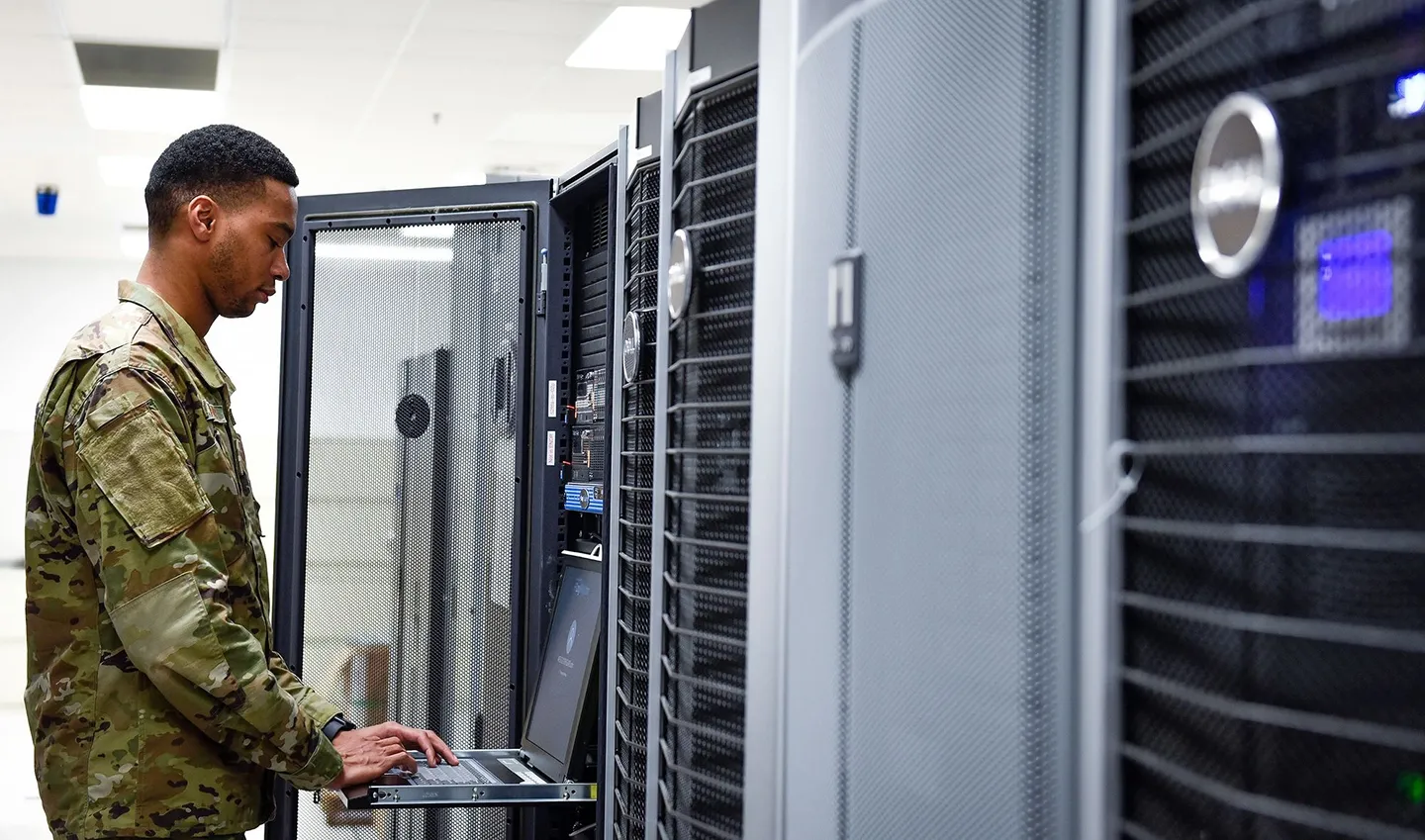
At the Aït Baha cement plant, situated approximately 70 kilometers southeast of Agadir, Abdelkrim Ezzahidy, the plant's director, meticulously monitors several control screens. With all indicators steady and lights glowing green, the facility operates a kiln at full capacity, attaining temperatures nearing 1,450 degrees Celsius. This cement plant, owned by Ciments du Maroc (CIMAR), boasts an impressive annual capacity of two million tons of clinker and 2.2 million tons of cement. The plant's production relies on a precisely calibrated process, where even slight fluctuations in electricity supply can significantly influence performance.
Ezzahidy emphasizes, "This kiln must operate at maximum efficiency, without interruption. A stable energy supply is essential to ensure the continuity of our operations, protect jobs, and support our growth." Over the past few decades, Morocco has undergone a remarkable transformation in its industrial sector, modernizing its infrastructure, fostering innovation, and solidifying its position within regional and global value chains. This growth surge has been accompanied by increasing energy demands from both commercial and residential sectors, necessitating a robust electricity grid capable of accommodating peak consumption while sustaining long-term economic expansion.
The Challenge of Renewable Energy Integration
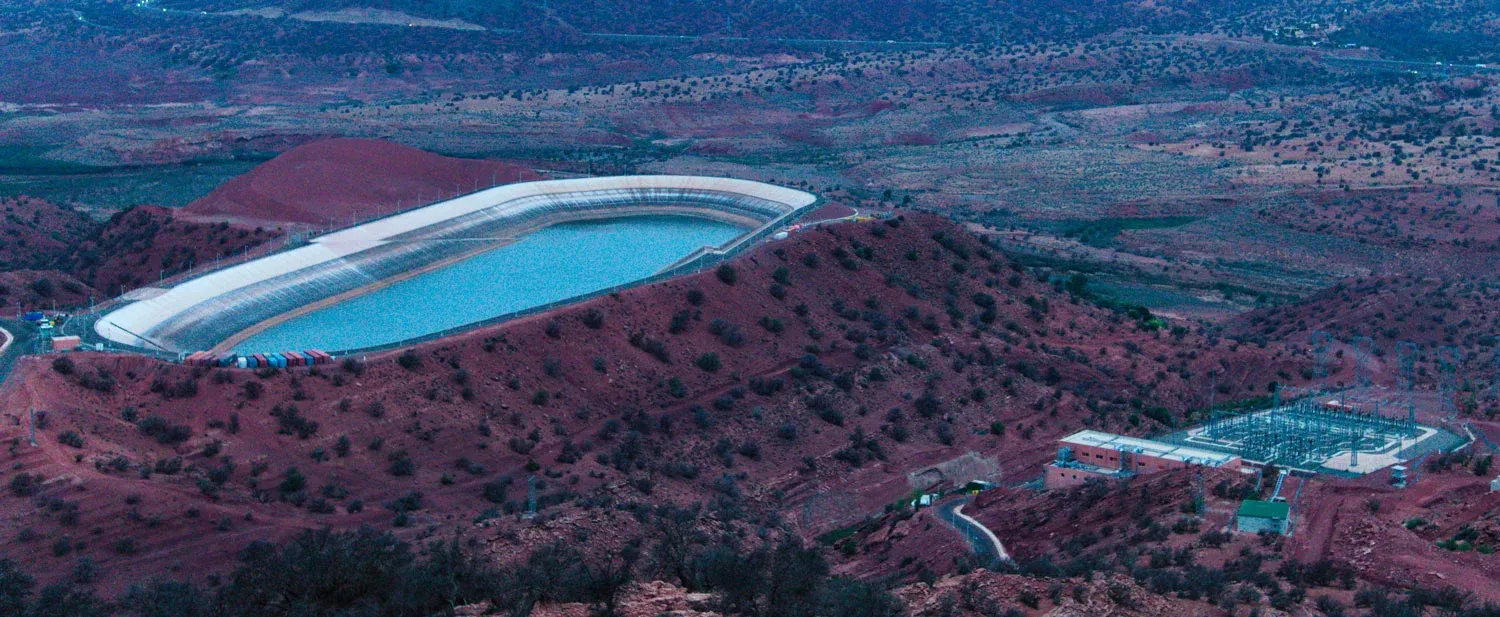
Simultaneously, Morocco has committed to boosting the proportion of renewable energy in its national energy mix, targeting 52 percent by 2030. While this sustainable model is commendable, it presents a significant challenge due to the intermittent nature of solar and wind energy. Variations in sunlight and wind conditions require meticulous management to maintain the stability of the national grid. The Abdelmoumen Pumped Storage Power Plant (STEP), developed and managed by the National Office of Electricity and Drinking Water (ONEE), plays a pivotal role in ensuring this stability. Located roughly 70 kilometers east of Agadir, the plant meets demand during peak periods and compensates for the inevitable declines in solar and wind generation.
Backed by €179 million in financing from the African Development Bank Group through the Integrated Wind, Hydropower, and Rural Electrification Program (PIEHER), the project is a crucial driver of flexibility and resilience within Morocco's electricity system. Achraf Tarsim, Country Manager of the African Development Bank Group in Morocco, notes, "More than just infrastructure, the Abdelmoumen pumped storage plant is a strategic asset that helps stabilize the national grid and supports Morocco's industrial growth while enhancing its integration into global value chains." The system comprises two water reservoirs: one situated at a lower elevation and the other positioned 600 meters higher, connected by pipelines and underground tunnels, and supplied by the Abdelmoumen dam adjacent to the site.
The water stored at the elevated reservoir serves as a reserve of potential hydropower energy. During periods of increased demand, when renewable sources fall short, the water is released downward, passing through reversible pump-turbines to generate electricity. Conversely, when renewable energy production surpasses grid demand, surplus energy is utilized to pump water back to the upper reservoir, effectively storing this excess energy for future use. With an installed capacity of 350 megawatts (MW), the plant can deliver electricity almost instantaneously and can start up to 20 times a day thanks to its innovative multi-start technology. When necessary, the facility can adjust its output from 90 MW to 350 MW, providing critical stability to the grid during peak demand periods.
Across the African continent, only a limited number of countries have established pumped storage facilities, which are among the most intricate energy infrastructures to design and manage, necessitating advanced engineering expertise and precision. ONEE engineer and Senior Project Manager, Hamid Lamrabet Raillani, explains, "What may appear to be a simple installation actually involved overcoming significant technical challenges. Geological uncertainties played a major role; it was only through excavation that we could fully comprehend the terrain and hydro-geological conditions of the site. These realities necessitated modifications to the water intake system connected to the Abdelmoumen dam and demanded innovation throughout the project's execution."
For Ciments du Maroc, a subsidiary of Heidelberg Materials that employs nearly one thousand individuals in Morocco, the reliability of the electricity grid is critical for maintaining industrial performance and safeguarding employment opportunities. The benefits of the project extend beyond its national impact; during construction, the Abdelmoumen pumped storage plant created over 1,400 jobs, predominantly filled by local community members. "It is a source of national pride to deploy such complex infrastructure to support our country's development," asserts ONEE engineer Hamid Lamrabet Raillani. Through its scale and the resources mobilized, the project embodies Morocco’s strategic vision for energy development. Success in complex systems is seldom the result of chance; it is built incrementally through foresight, innovation, and collaboration with partners like the African Development Bank Group.
As reported by afdb.org.