
The Growing Significance of the Port of Casablanca
The Port of Casablanca has long stood as a vital maritime hub in Africa, and its prominence continues to shine brightly in 2026. With an impressive 17 million tons of cargo processed in the first six months of the year, the port is not only maintaining its historical significance but also demonstrating remarkable growth. Notably, June recorded a staggering 3.53 million tons of cargo arriving at Moroccan shores through Casablanca, marking a significant 32% increase compared to the same month in 2025, as reported by the National Ports Agency. This surge underscores the port's crucial role, accounting for approximately 35% of Morocco's total port traffic. However, the increased activity has also brought operational challenges, including frequent congestion and limited operational flexibility, which necessitate innovative solutions.
Enhancing Logistics with the Tangier-Casablanca Connection
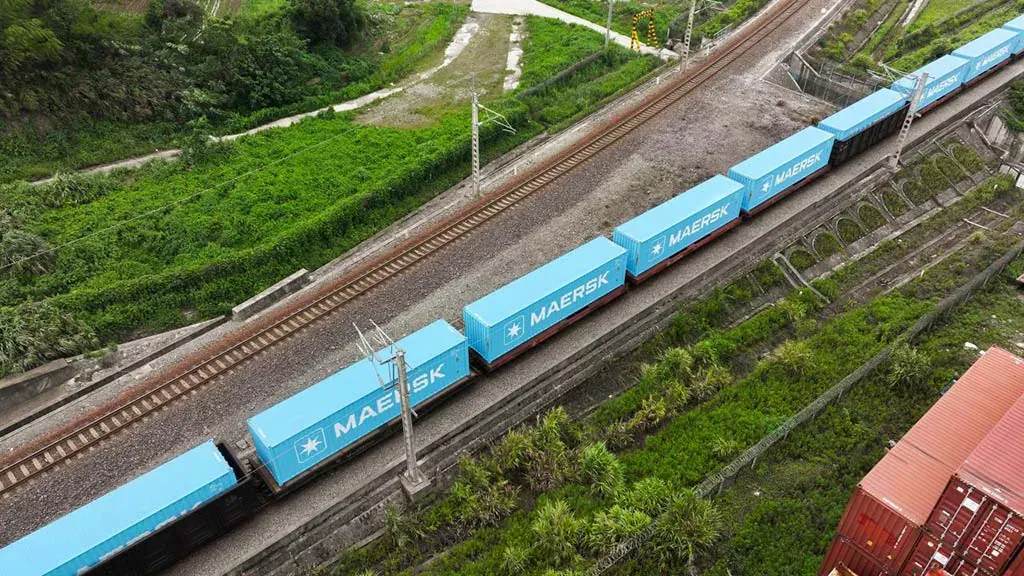
In response to these challenges, Maersk is implementing transformative measures aimed at enhancing Morocco's logistics framework. The company is positioning Tangier as the primary maritime gateway into Morocco, establishing a high-frequency rail service that connects it seamlessly to Casablanca. While Casablanca serves as Morocco's main industrial and commercial center, Tangier has emerged as one of the most connected ports in the region, facilitating access to global trade routes. This strategic alignment allows supply chain managers to take advantage of improved reliability, flexibility, and efficiency in their operations.
The fully operational rail services between Tangier and Casablanca offer regular departures and predictable transit times, significantly aiding customers in inventory management and planning. Maersk's integrated approach extends beyond ocean transport, providing customers with a single point of contact throughout their logistics journey. This comprehensive solution encompasses the ocean leg into Tangier, a dedicated rail connection to Casablanca, flexible customs clearance options, inland storage capabilities, and final-mile truck delivery. By diversifying logistics solutions and reducing dependence on a single transport mode, the rail corridor enhances resilience and operational flexibility for businesses aiming to navigate the complexities of supply chain demands.
The synergy created by connecting Tangier and Casablanca addresses a pressing challenge frequently articulated by customers: the need for streamlined cargo movement into Morocco's commercial core. With broader access to global trade flows and diverse supply chain management options, businesses can better adapt and grow in an evolving market landscape. In an era where reliability and agility are paramount, the Tangier-Casablanca rail corridor presents a practical, forward-thinking solution for organizations striving to strengthen their supply chain performance amidst increasing cargo volumes and port congestion.
By leveraging Tangier's global connectivity alongside Casablanca's industrial significance, customers can benefit from a more predictable, integrated, and resilient transport framework. As trade flows expand, this innovative approach is set to alleviate the pressure on congested gateways while providing the necessary operational control to support future growth throughout Morocco and beyond.
As reported by maersk.com.