
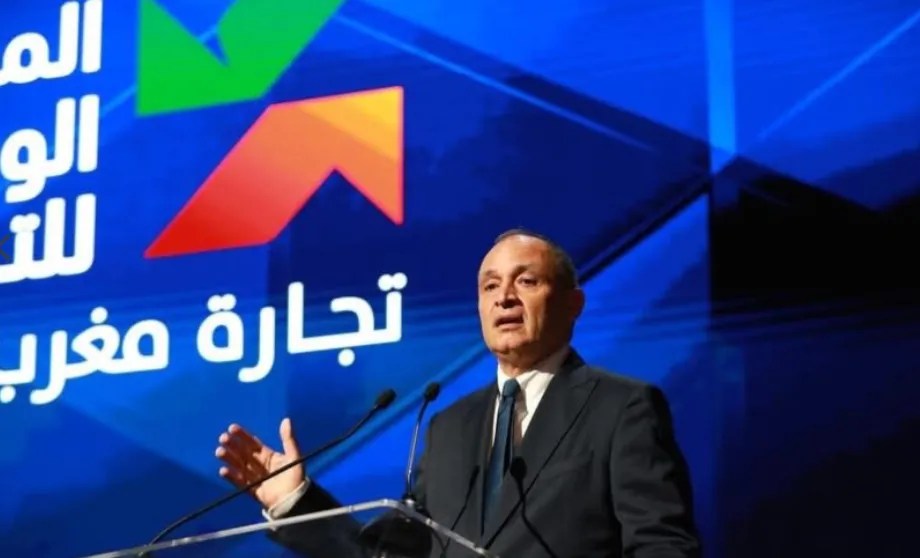

Reimagining the Future of Trade in Morocco
On April 29, 2026, the city of Marrakech hosted the National Trade Forum, a critical event that highlights the profound transformation underway in Morocco's trade sector. The forum served as a pivotal moment for redefining this vital industry, aiming towards a vision for 2030 that emphasizes digitalization, financial inclusion, and the comprehensive restructuring of the commercial framework.
Under the esteemed patronage of His Majesty King Mohammed VI, this gathering attracted a significant representation from various institutional and professional stakeholders. Participants reiterated the necessity of accelerating the digital transformation as a fundamental driver for modernizing national trade and enhancing its integration into the global digital economy. Moreover, there was a strong emphasis on updating the legal and regulatory frameworks to keep pace with rapid changes and ensure greater competitiveness for the sector.
A Multi-Dimensional Roadmap for Trade Development
The discussions at the forum culminated in a set of strategic recommendations aimed at enhancing commercial infrastructures, developing professional competencies through ongoing training, and improving social services for traders. The importance of revitalizing rural trade and modernizing local commerce was also underscored, with a focus on strengthening short supply chains and logistical efficiency. Additionally, the promotion of the "Made in Morocco" brand and the structuring of the franchise system were highlighted as key initiatives.
In alignment with this vision, the Ministry of Industry and Trade is actively implementing an ambitious program for the digitalization of commerce. This includes the "MRTB" platform developed in collaboration with the Mohammed VI Polytechnic University and the OCP Group, designed to expand traders' access to digital solutions. The second phase of this initiative, scheduled from 2025 to 2027, aims to support 300 startups and enable an additional 100,000 traders to adopt digital tools.
Financial inclusion and advanced social protection are also central to the forum's outcomes. Notable initiatives such as the "National Caravan for Financial Inclusion for Traders" have been launched, along with the development of innovative banking products to improve access to financing. The forum reported significant progress in social protection efforts, with over 483,000 traders benefiting from mandatory health insurance, in line with royal directives.
The participative approach initiated through extensive regional consultations has led to the formulation of more than 1,200 recommendations covering 11 strategic axes, which account for regional disparities and field challenges. This reflects a collective determination to establish a more flexible and equitable commercial model.
The significance of the trade sector within Morocco's national economy is increasingly evident, contributing approximately 169 billion dirhams to the GDP in 2024, accounting for 10.6 percent, and providing over 1.6 million jobs. This underlines its foundational role in achieving economic and social development.
In conclusion, the National Trade Forum marks a qualitative shift in how the future of the sector is envisioned, transitioning from traditional management perspectives to a strategic outlook based on innovation, digitalization, and territorial equity.
As reported by albahr.info.
