
Understanding Gender-Responsive Budgeting
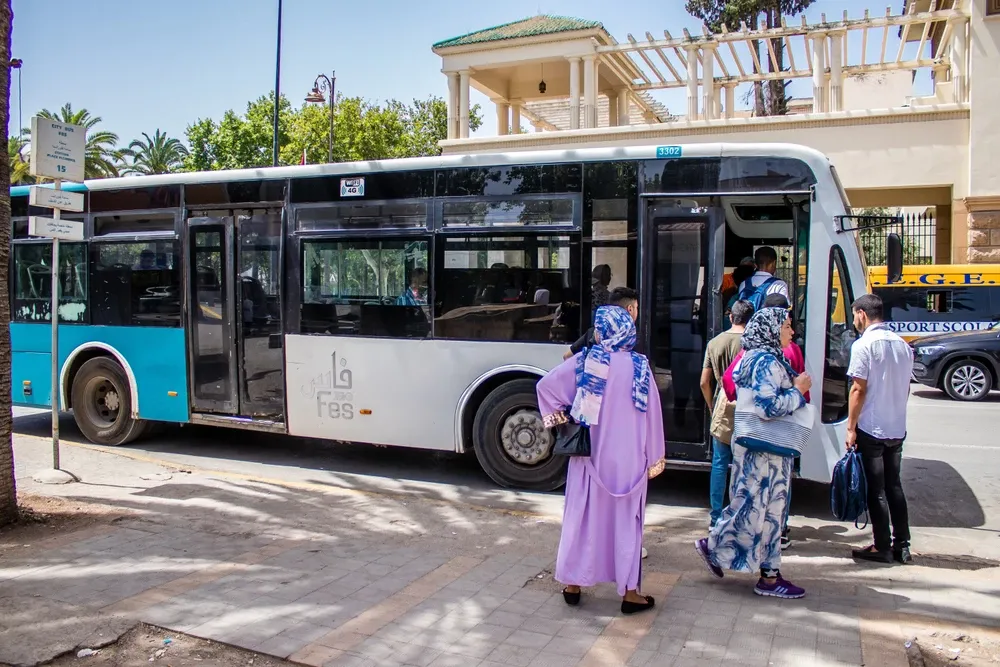
Public policies and financial allocations have significant implications for individuals, impacting women and men in distinct ways. The manner in which governments distribute resources, which demographics benefit from public services, and the issues that remain unaddressed can either exacerbate or mitigate existing gender disparities. A prime example of this can be seen in the transportation sector, where differences in access, safety, and service availability directly influence women’s mobility, subsequently affecting their access to education, services, and employment opportunities. This is where the concept of gender-responsive budgeting (GRB) becomes essential.
Gender-responsive budgeting does not necessarily imply that governments must create a separate budget specifically for women. Instead, it serves as a framework designed to integrate a gender perspective into the existing public financial management processes. This integration is achieved through the use of analytical tools and gender-sensitive objectives and indicators that inform various stages of planning, resource allocation, implementation, and monitoring. The overarching aim is to ensure that public spending and policies align more effectively with gender equality goals while bolstering transparency and accountability within the system.
Morocco's Pioneering Approach to Gender Budgeting
In the realm of gender-responsive budgeting, there is no universally applicable method; various countries have developed unique institutional arrangements and tools that reflect their specific public financial management systems and policy priorities. Morocco stands out as a pioneer of gender-responsive budgeting in the Middle East and North Africa region, having initiated gender budgeting practices in the early 2000s. Over the years, Morocco has transitioned from merely introducing the concept to embedding it within the architecture of public financial management.
A significant milestone in this journey occurred with the 2015 reform of the Organic Finance Law, which established gender-responsive budgeting as a fundamental component of the budget process across all ministries. The Center of Excellence for Gender-Sensitive Budgeting (CE-BSG), situated within the Ministry of Economy and Finance, plays a crucial role in translating this framework into actionable practices. This includes conducting gender sector analyses, enhancing capacity building across government, and producing the annual Gender Budget Report, which now tracks gender-sensitive indicators across 35 ministerial departments.
“Today, the gender-responsive budgeting initiative has reached a decisive milestone,” stated Ahmed Berrada, Director of Morocco’s Center of Excellence for Gender-Sensitive Budgeting. “After a phase of awareness-raising and ownership-building, it is now embedded in a dynamic of consolidation, marking the effective integration of the gender dimension at the heart of the budgetary process.”
Morocco continues to innovate tools that reinforce the connection between gender objectives and public resources. One such tool is the Gender Equality Marker, which is set to be piloted in 2024-2025. This mechanism will classify and verify the extent to which public expenditures contribute to gender equality, transitioning the discussion from merely identifying whether gender considerations are included in budget documents to examining how these considerations are reflected in the allocation and utilization of public resources.
The Ministry of Transport and Logistics serves as a practical example of how gender-responsive budgeting can shape sector policies. As part of its gender budgeting process, the Ministry conducted a Gender Sector Analysis in 2025 to investigate how women and men experience transportation differently, particularly in rural areas. The findings of this analysis revealed numerous constraints, including inadequate rural transport services, insufficient infrastructure, irregular service frequency, and safety concerns, including harassment.
These insights are crucial not only for formulating economic policies but also for enhancing women’s opportunities and livelihoods—a goal that the World Bank actively supports in its mission to create more job opportunities. This is especially pertinent in Morocco, where less than one in five women participate in the labor market. Constraints on safe and reliable mobility can severely limit women's access to employment and other economic opportunities, making gender budgeting aimed at improving transportation through public spending indispensable.
Morocco has established robust institutional foundations for gender-responsive budgeting; however, the forthcoming challenge lies in ensuring that gender considerations consistently influence decision-making throughout the entire budget cycle. Our recent report, Gender Budgeting in Morocco: Challenges, Opportunities and Lessons from Global Evidence, highlights critical elements of successful gender-responsive budgeting experiences. These elements include strong political commitment, capacity within government, a well-defined legal and institutional framework, and effective mechanisms (and data!) to capture and monitor results. The report meticulously documents Morocco’s successful journey in gender-responsive budgeting while identifying areas for strengthening implementation, particularly at the decentralized level and in monitoring and evaluation processes.
The World Bank is committed to supporting Morocco's gender-responsive budgeting agenda through analytical work, technical assistance, and operational support. Morocco has been designated as one of the World Bank Group’s Fast-Track countries under the Gender Strategy 2024-2030. The ENNAJAA project is instrumental in institutionalizing gender budgeting, linking it to medium-term budget programming through the application of gender budget tagging in ministerial triennial planning cycles. Additionally, the project facilitates capacity building initiatives through the CE-BSG, which has successfully trained over 800 civil servants across both central and regional government.
Morocco has thus progressed significantly beyond merely introducing gender budgeting as a policy concept. The next phase involves deepening implementation by enhancing the use of gender evidence in sector planning, improving the measurement of results, and strengthening accountability regarding how public resources contribute to bridging gender gaps. The current opportunity is to transform a well-established gender budgeting framework into a more potent tool for enhancing the effectiveness, equity, and accountability of public spending.
As reported by blogs.worldbank.org.