
Casablanca's Innovative Waste-to-Energy Initiative
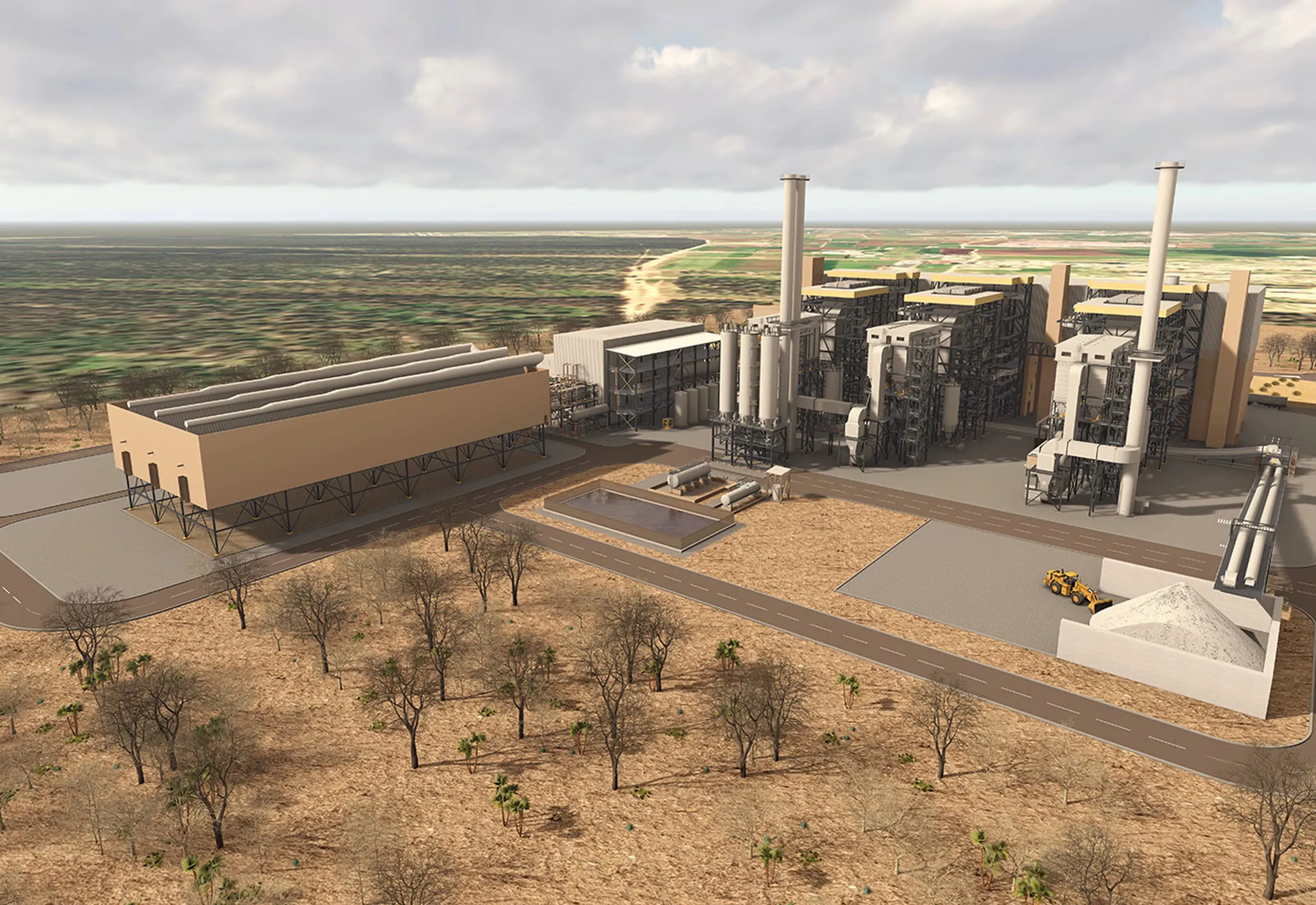
In a groundbreaking development for sustainable waste management in Morocco, an international consortium comprising the Moroccan group Nareva, the Japanese firm Itochu, and the Swiss-Japanese group Kanadevia Inova has secured a major contract for the construction of a state-of-the-art waste-to-energy facility. This project, set to commence in February 2025, involves a concession period of 33.5 years, which includes the construction phase. Itochu will actively participate in the capital of the project company Al Beida Clean Power through its British subsidiary, I-Environment Investments Ltd. This initiative is poised to be Morocco's first large-scale integrated energy recovery project, addressing multiple pressing challenges including sustainable waste treatment, reduction of landfill volumes, energy production, and the transition to alternatives to fossil fuels.
In conjunction with the concession agreement, electricity purchase agreements have been established with the National Office of Electricity and Drinking Water (ONEE) and the Casablanca-Settat Regional Multi-Service Company (SRM), thereby securing the outlets for energy produced at the forthcoming site. The facility aims to incinerate approximately 1.5 million tons of municipal solid waste generated annually in Casablanca, with the heat produced being utilized to generate electricity, expected to reach a capacity of 115 MW. Additionally, a 4 MW biogas plant will harness methane from landfills, complemented by a 50 MW solar power plant installed on reclaimed land, as detailed in a statement by Itochu.
Positive Environmental Impact and Future Outlook
The anticipated energy production from this facility is expected to meet the needs of around one million people, which is nearly a quarter of Casablanca's population. Itochu estimates that the project will prevent up to 128 million tons of CO₂ emissions over the concession period, significantly contributing to Morocco's transition towards a decarbonized economy and enhancing the country's energy autonomy. Moreover, the project encompasses comprehensive management of the environmental liabilities associated with the existing Médiouna landfill, including its operation, closure, and rehabilitation, alongside the establishment of new controlled landfill sites.
Looking ahead, the consortium leader, Kanadevia Inova, confirms that the project is set to enter its operational phase imminently. According to statements made by its CEO, Bruno-Frédéric Baudouin, to Reuters, construction is slated to begin by the end of this year, following the finalization of financial arrangements, which will utilize exclusively local funding. The Moroccan company Somagec will undertake the construction, which is expected to take approximately three and a half years. However, waste treatment and electricity production may begin six to ten months prior to the full completion of the construction project, with total commissioning anticipated by mid-2030. This facility will be the second of its kind in Africa, aiming to significantly reduce methane emissions associated with the Médiouna landfill, the country's largest.
Supported by the mayor of Casablanca, Nabila Rmili, this project is part of a broader vision to transform the waste management landscape of the metropolis. During a recent appearance on the show Grand FormatLe360, she highlighted the scale and complexity of this initiative, which stands as one of the most expensive projects ever undertaken by the city, following the tram lines T1 and T2. The mayor also referenced the significant land acquisition challenges faced at the project's outset, involving the purchase of 265 hectares of land for approximately 500 million dirhams. Furthermore, she emphasized the urgent environmental issues inherited from the old landfill, which posed significant risks due to its towering waste pile reaching nearly 70 meters.
In anticipation of the CEV's operational launch, a transitional solution has been implemented with a controlled landfill site, whose initial three-year lifespan has been extended by adding a fourth cell. This project represents a shift from a landfill-based model to an integrated approach that combines recycling, energy recovery, and reduced environmental impact. Throughout the construction phase, Al Beida Clean Power will ensure service continuity, transitioning progressively to the new model starting in the fourth year. Additionally, rehabilitation efforts for the former Médiouna landfill have already begun, transforming part of the site into a 40-hectare green space intended to become a public park, thereby highlighting the environmental and social dimensions of this transformative project.
As reported by fr.le360.ma.