
Celebrating the Life and Legacy of Mostafa Derkaoui
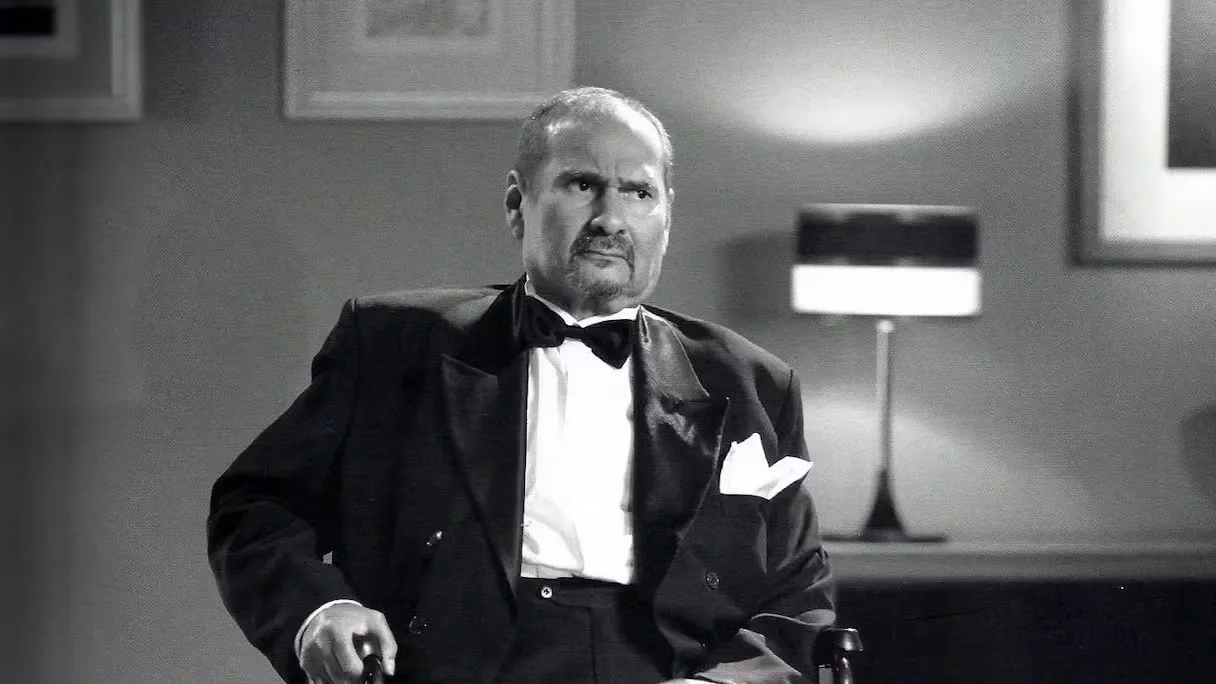
Marrakech – The Moroccan film industry mourns the loss of one of its most influential figures, Mostafa Derkaoui, who passed away on Thursday in Casablanca at the age of 82. His funeral was held the following day at the Achouhadda cemetery after the Addohr prayer, marking the end of an era for a filmmaker renowned for his politically charged cinema. Derkaoui’s extensive career was characterized by a distinctive approach that challenged conventional filmmaking norms, leaving a profound impact on Moroccan culture.
Born in Oujda in 1944, Derkaoui's journey into the arts began with a baccalaureate in philosophy in 1962. His passion for the dramatic arts led him to train at the Conservatory of Dramatic Art in Casablanca, followed by further studies at the prestigious IDHEC in Paris. In 1965, he along with his brother, Abdelkrim, enrolled at the Łódź Film School in Poland, where he honed his directorial skills, graduating in 1972.
Derkaoui’s cinematic style was heavily influenced by theatrical, literary, and musical elements, often defying the traditional narrative structures prevalent in his time. In 1974, he and his brother established Basma Production, a pivotal moment that allowed them to pursue innovative film projects. That same year, Derkaoui directed his debut feature, “De quelques événements sans signification,” which eschewed conventional storytelling for a complex film-within-a-film format. This avant-garde approach led to the film being banned by Moroccan authorities upon its release, yet it subsequently gained a cult following, showcasing the power of art to provoke thought and discussion.
Despite its limited initial exposure, the film resurfaced at select festivals in Paris in 1975 and Khouribga in 1977, remaining largely unseen for nearly three decades until a restoration project in 2016 by the Filmoteca de Catalunya brought it back to life, culminating in a screening at the 69th Berlinale in 2019. The film's opening credits featured a diverse array of Moroccan intellectuals, including poets and painters, though its reception sparked debate, with critics like Férid Boughédir expressing concern over its symbolic complexity.
Through the 1980s and 1990s, Derkaoui emerged as one of Morocco’s most prolific directors, contributing notable works such as “Les Beaux Jours de Shéhérazade” (1982), “Casablanca by Night” (2003), and “Casa Day Light” (2004). His filmography also includes “Le silence,” a poignant commentary on the Gulf War, and the medium-length feature “La Grande Allégorie.” Recognition of his contributions to cinema came later in his career, with honors from the Marrakech International Film Festival in 2007 and a decoration by King Mohammed VI in 2016.
In 2023, the legacy of Mostafa Derkaoui was further immortalized through a documentary directed by Sophie Delvallée titled “Librement, Mostafa Derkaoui,” which explores his significant impact on Moroccan cinema. The artistic lineage continues as his brother, Abdelkrim, remains active in the film industry, and his son, Kamal Derkaoui, carries on the family tradition as a director of photography, ensuring that Mostafa Derkaoui’s vision and influence will endure in the cinematic landscape.
As reported by moroccoworldnews.com.