Trump's Escalation Against Iran: Strategic Considerations
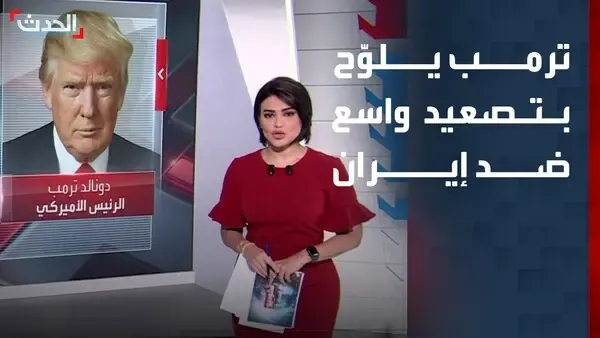
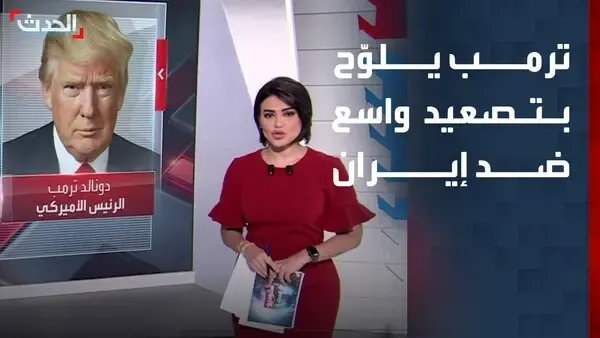
In a significant shift in the geopolitical landscape, former President Donald Trump has signaled a marked escalation in U.S. military operations against Iran. Reports indicate that Washington is closely monitoring key strategic locations, specifically targeting the "Mount Faz" area and various oil facilities as part of an expanded list of objectives. This development follows a series of military engagements and comes amid heightened tensions in the region, raising concerns over potential ground operations being placed on the table as a viable option.
As the situation evolves, analysts are emphasizing the implications of such military strategies, particularly how they could impact not only U.S.-Iran relations but also the broader Middle Eastern geopolitical climate. The inclusion of oil facilities as targets underscores the strategic importance of energy resources in the ongoing conflict, suggesting that the U.S. aims to disrupt Iran's economic capabilities significantly. Moreover, with ground options potentially being considered, there is an increasing urgency for diplomatic maneuvers to prevent further escalation into open conflict.
Implications of Military Targeting in Iran
The renewed focus on military actions against Iran by Trump reflects a broader strategy aimed at curtailing Iranian influence in the region and may be perceived as a response to Iran's recent activities which have sparked international concern. The U.S. military's operational readiness to strike at critical infrastructure is indicative of a willingness to take decisive action if deemed necessary. However, such measures could provoke retaliatory actions from Iran, further complicating an already volatile situation.
With the potential for ground operations being discussed, the U.S. finds itself at a crossroads, balancing military readiness with the need for diplomatic solutions. The situation is fluid, and the international community is watching closely, as these developments might lead to a reconfiguration of alliances and strategies across the Middle East. As tensions rise, it remains crucial for stakeholders to explore avenues for dialogue while preparing for the possible consequences of military engagement.
As reported by alhadath.net.