
US Commitment to Moroccan Sovereignty
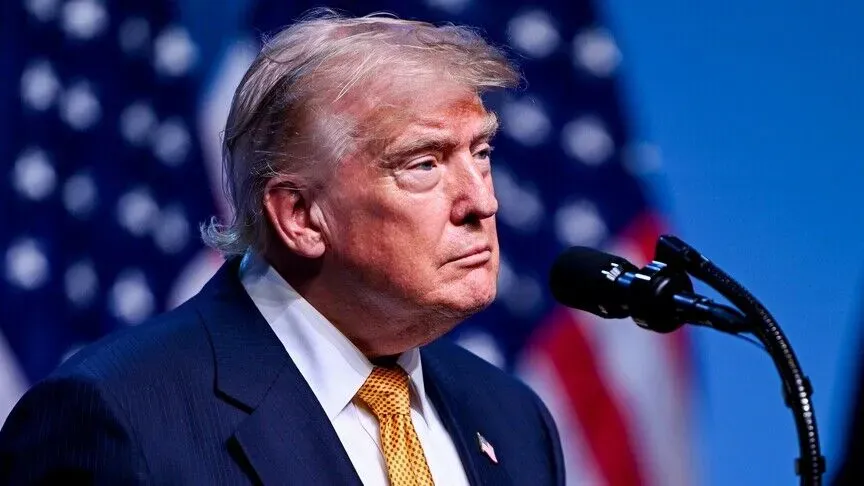
On Saturday, President Donald Trump reiterated the United States' steadfast recognition of Morocco's sovereignty over Western Sahara, emphasizing that any alternatives for resolving this long-standing dispute are simply unacceptable. In a direct message to King Mohammed VI of Morocco, Trump stated, “The United States has been clear: we recognize Moroccan sovereignty over Western Sahara, and we support Morocco’s serious, credible, and realistic autonomy proposal as the only basis for a just and lasting solution.” This affirmation underscores the US administration's position regarding the territorial claims that have historically caused tension in the region.
Trump further articulated that continuing to pursue any other resolution would only serve to maintain the current status quo, which he described as unacceptable. He expressed optimism that a resolution to this issue would not only foster peace in the region but also promote prosperity and greater integration across the African continent. “This dispute must end now, and the United States will continue to drive progress toward that end,” he added, showcasing a commitment to a proactive approach in addressing this geopolitical challenge.
Historical Context of the Dispute
The backdrop of this situation is rooted in a complex history that dates back to 1975 when Spain relinquished colonial control over the territory. This transition sparked an armed conflict between Morocco and the Polisario Front, which advocates for the self-determination of the Sahrawi people. The conflict persisted until a ceasefire was reached in 1991; however, the issue has remained a pivotal element of North African diplomacy. Morocco proposes a broad autonomy plan for Western Sahara under its governance, while the Polisario Front, with the backing of Algeria, continues to push for a referendum that would allow the local populace to choose their political future.
As reported by aa.com.tr.