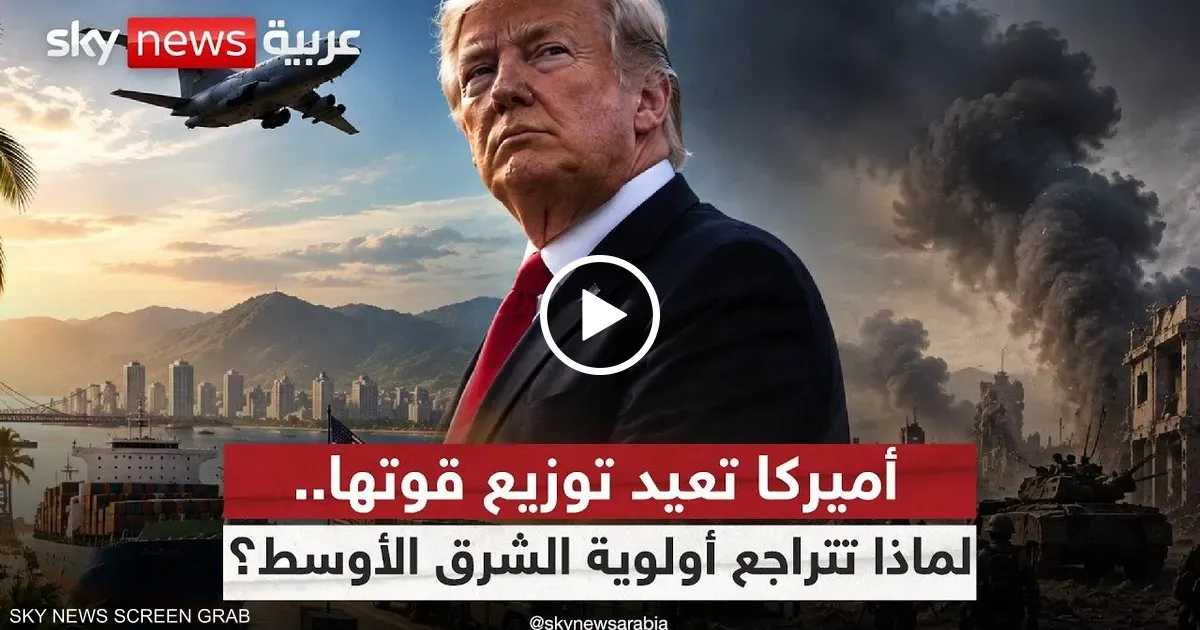

Trump's Strategic Shift in Military Support
The geopolitical landscape is witnessing a significant transformation as former President Donald Trump has initiated a strategic shift in the allocation of American military support, targeting nations in Latin America while simultaneously reducing commitments to regions such as the Middle East and Europe. This reallocation of military aid is not merely a logistical maneuver; it reflects a broader vision of U.S. foreign policy that prioritizes emerging alliances in the southern hemisphere over traditional partnerships in the Middle East.
As reported by various sources, this decision marks a pivotal point in American foreign relations, suggesting a recalibration of where the United States sees its strategic interests lying. Trump's administration has recognized the potential for fostering stronger ties with Latin American countries, which could lead to enhanced diplomatic relations and collaboration on security issues. This shift may be indicative of a response to evolving global threats and the need for the U.S. to adapt its military presence and support to meet the challenges of the 21st century.
Furthermore, this realignment raises important questions regarding the future of U.S. involvement in the Middle East. With a reduced focus on military assistance to traditional allies in that region, there are concerns about the stability of existing partnerships and the potential for increased influence from rival powers. As the U.S. shifts its support to Latin America, it will be crucial to monitor how this impacts global dynamics and the balance of power in various regions.
As reported by skynewsarabia.com.