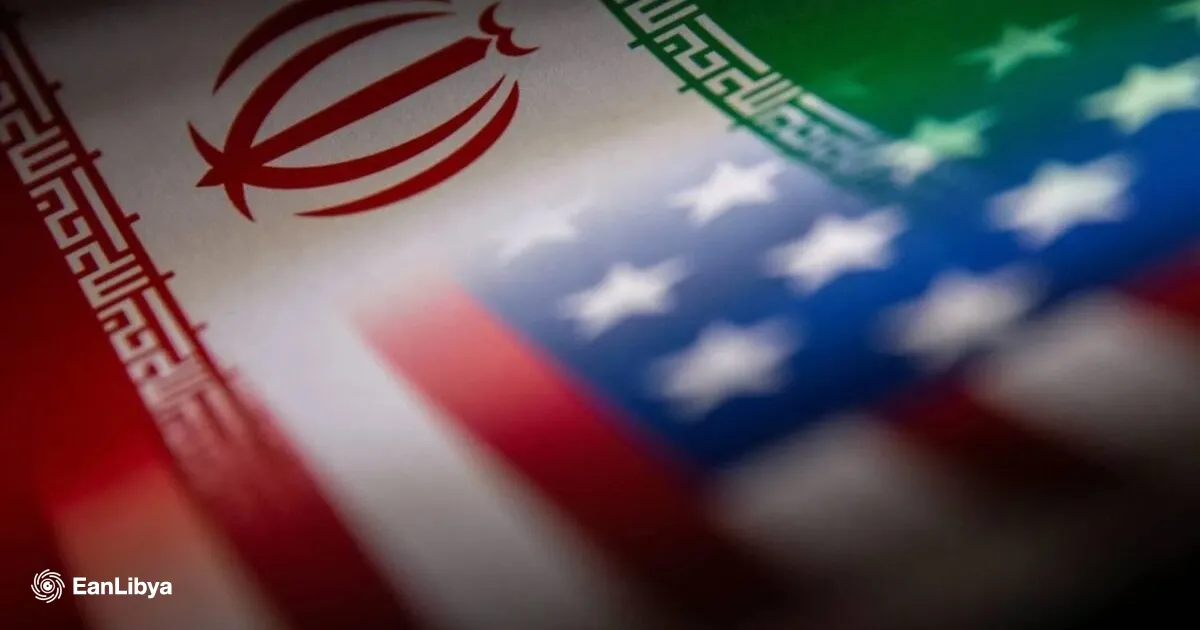

Trump's Military Threats and Iran's Response
In a bold statement, U.S. President Donald Trump indicated the possibility of targeting "Axe Mountain" in Iran soon, while downplaying the ongoing military confrontation with Tehran, labeling it as a "very simple matter for the United States." During a press briefing at the White House, Trump stated, "We may strike (Axe) Mountain very soon," referring to the site known as "Axe Head Mountain," which is located near the Natanz nuclear facility, a site of previous damage from military strikes. This mountain is reportedly fortified and houses deep tunnel complexes, making it a significant potential target for American forces.
Trump further commented on the situation in the Strait of Hormuz, asserting that there are currently "no sea mines" in the area, praising the performance of U.S. forces, and noting that a large number of vessels are safely traversing the strait. He emphasized that substantial quantities of oil are currently making their way through this critical waterway. His remarks come amidst significant disruptions in maritime traffic, as recent navigational data revealed only four cargo ships passed through the strait on Tuesday, compared to an average of around 13 vessels during the preceding ten days. There are also concerns that some ships have turned off their tracking devices during transit.
Rejecting the characterization of the confrontation with Iran as a "war," Trump preferred to describe it as a "dispute or intermittent military conflict," drawing comparisons to America's prolonged engagements in Vietnam and Afghanistan, while asserting that the situation is manageable for the United States. Simultaneously, he claimed that U.S. forces had successfully destroyed advanced Iranian radar systems for the second time, hinting at stronger military responses should the situation worsen.
On the human cost aspect, Trump indicated that the United States had not lost any troops during previous operations in Venezuela, while asserting that the current conflict in Iran had resulted in the deaths of 18 Americans, with some reports suggesting the number could be as high as 19. The U.S. had resumed its airstrikes on Iran on August 31, marking the first American attack on Iranian soil since late July, which prompted Iranian armed forces to retaliate against U.S. bases in several regional countries.
Tehran has accused Washington of violating a ceasefire memorandum signed between the two nations in June. The military escalation traces back to the war initiated by the U.S. and Israel against Iran on February 28. Amidst these tensions, both countries announced in mid-June that they had reached a memorandum of understanding mediated by Pakistan, which included arrangements to end hostilities and initiate a 60-day negotiation period aimed at a more comprehensive agreement addressing Iran's nuclear program, sanctions, and unresolved issues. However, the 60-day deadline expired on August 17, following stalled negotiations, leading to renewed military confrontations.
In response to the increasing military pressure, Iranian officials have also hinted at the possibility of preemptive strikes against any perceived military threats, as the pressures from U.S. and European sanctions intensify, coinciding with a severe economic downturn and a record low for the rial against the dollar. Iranian Army spokesman Mohammad Akrami Nia indicated that Iran's military doctrine is gradually shifting towards preemptive operations, stating that Iranian forces might resort to such measures wherever they sense a threat.
As these geopolitical tensions escalate, the Strait of Hormuz remains a focal point, given its significance as one of the world's key energy corridors, through which about one-fifth of global oil supplies passed before the conflict. The decline in shipping traffic has heightened concerns regarding oil supplies and driven up crude prices and shipping costs. Recent energy market data indicates a heightened sensitivity to these tensions, with Brent crude prices nearing $98 per barrel amid fears of further supply disruptions stemming from U.S.-Iranian confrontations.
As reported by eanlibya.com.