
Trump's Call for Protection of Iranian Athletes
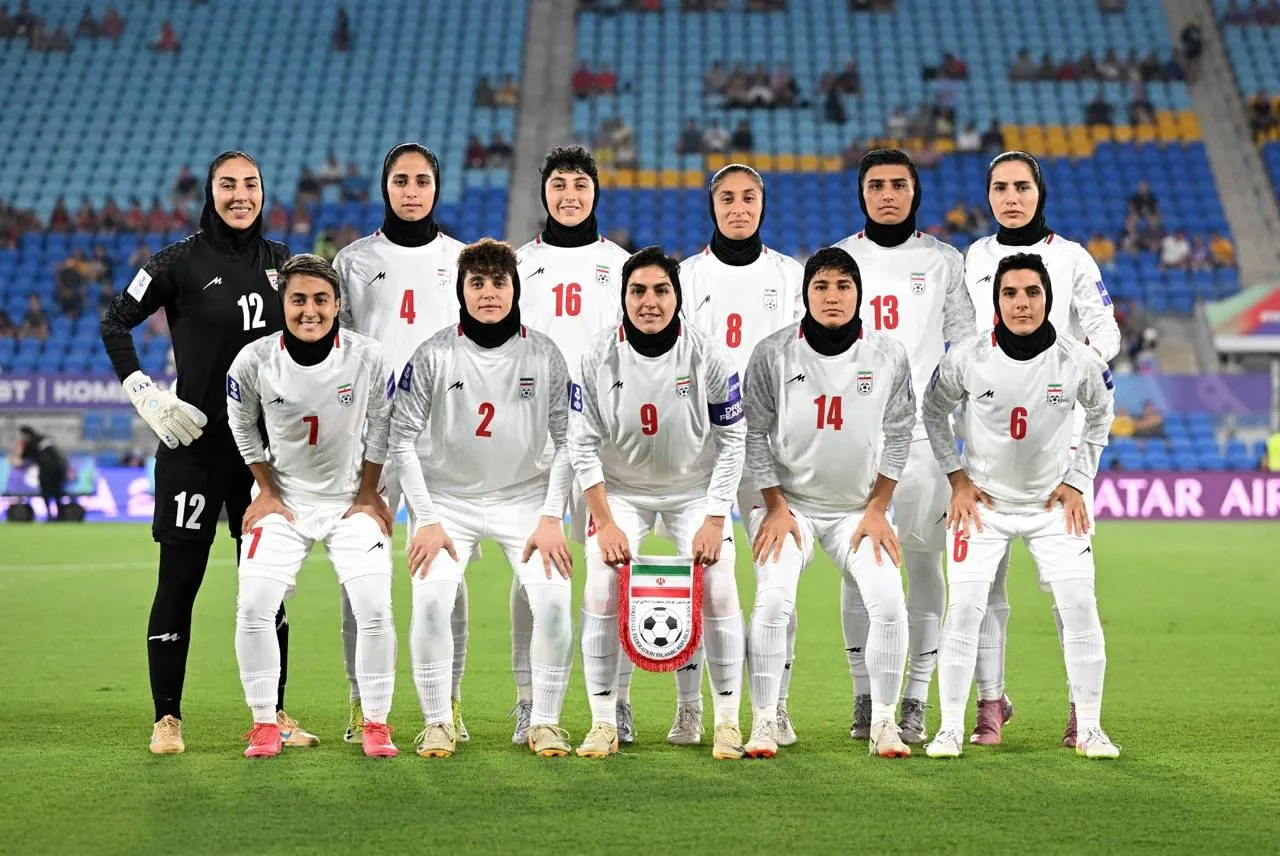
On March 9, 2026, former U.S. President Donald Trump issued a compelling plea for Australia to grant asylum to the Iranian women's football team, expressing grave concerns for their safety should they be returned to Iran, where they are likely to face severe repercussions, potentially even death. In a statement shared on his social media platform, Truth Social, Trump emphasized that Australia would be making a "grave humanitarian error" if it did not act to protect these athletes. He also reached out directly to Australian Prime Minister Anthony Albanese, asserting that the United States would be willing to accept the players if Australia chose not to provide refuge.
This urgent request comes in the wake of the players' symbolic protest against the Iranian regime; they refused to sing the national anthem while in Australia, demonstrating their dissent against the oppressive governmental measures imposed on them. This act of defiance gained further significance as it occurred just days after a U.S.-Israeli attack on Iran, heightening the stakes for these athletes. The son of the late Shah of Iran, Reza Pahlavi, who resides in the U.S., has also voiced his concerns, warning that the players' actions might lead to "dire consequences" if they return home, and he urged the Australian government to ensure their safety.
Public Support and Government Response
Support for the Iranian players has been palpable, with crowds gathering outside the Gold Coast stadium where the team played their last match. Protesters rallied, chanting for regime change in Iran and calling for the safety of the female athletes. Journalists from Agence France-Presse noted that several players were seen communicating from their hotel rooms, reflecting the intense pressure they are under. When questioned about the situation, Australian Foreign Minister Penny Wong stated that Australia stands in solidarity with the Iranian people, but added that the government could not comment on the specific circumstances of individual players. Meanwhile, a spokesperson for the Australian Department of Home Affairs refrained from discussing the specifics, citing privacy concerns.
Human rights advocates, such as Zaki Haidari from Amnesty International, have warned that the players could face persecution or worse if they are forced to return to Iran. Haidari stressed that some players’ families may have already received threats, raising significant fears regarding the potential punishments that await them upon their return. Despite the stringent surveillance they are under, the athletes’ predicament continues to draw international scrutiny and concern.
As reported by thevoice.ma.