
Trump's Gaza Board Moves Forward with Military Base Project
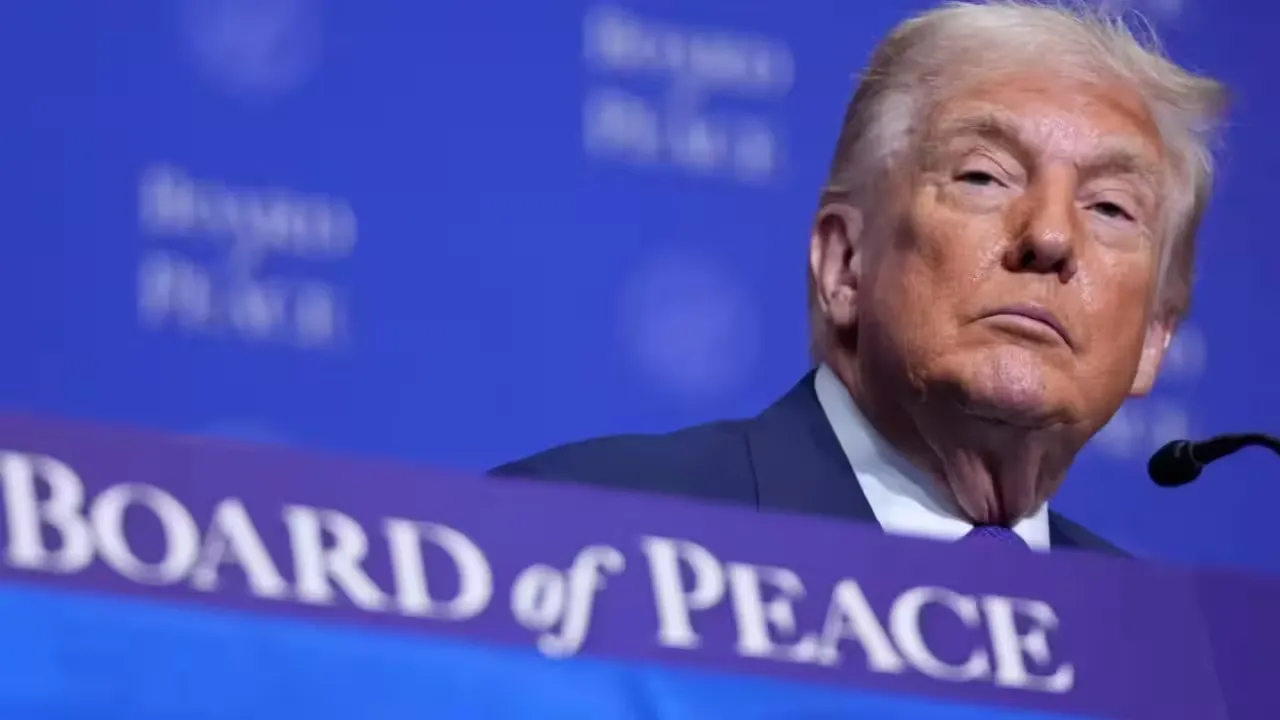
In a significant development, the Board of Peace, chaired by former U.S. President Donald Trump, is advancing with its first construction initiative in Gaza, which entails establishing a small military base designed to accommodate Moroccan troops. Although the contract for this facility is still pending finalization, plans are in motion for a site that will house approximately 150 personnel within a designated area measuring about 100 meters by 120 meters. This facility is strategically located within the 60% of Gaza currently under direct Israeli military control, approximately a mile from the Israeli border. Notably, the base will feature provisions to allow Moroccan troops to vacate swiftly should the site come under attack.
According to reports from The Guardian, Louisiana-based Arkel International has been earmarked for the project, although the contractual agreement remains unconfirmed. This company has a history of collaborating with the U.S. government on projects in various countries, including Iraq. An official from the Board of Peace indicated that both the board and the Palestinian technocratic body responsible for Gaza are nearing the completion of several contract awards, yet none have been officially finalized. The Palestinian entity overseeing this initiative is known as the National Committee for the Administration of Gaza, with key figures such as Trump, Jared Kushner, and Steve Witkoff leading the Board of Peace.
International Stabilization Force and Future Implications
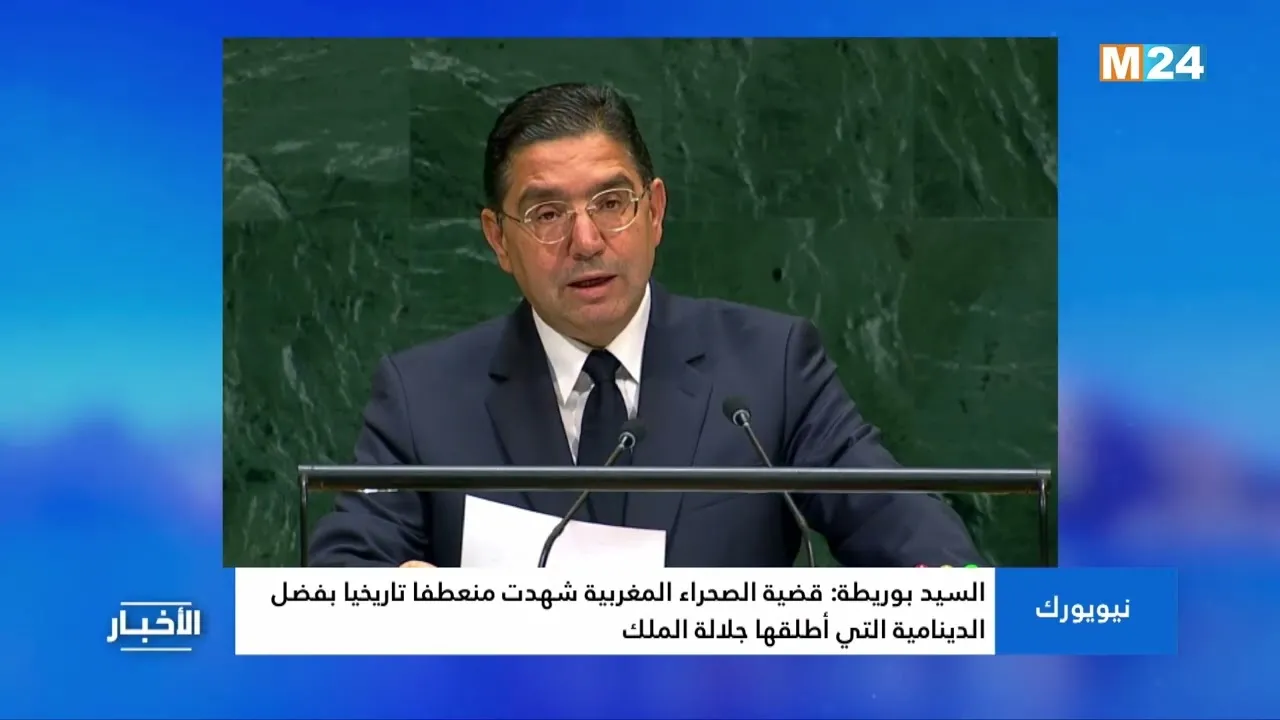
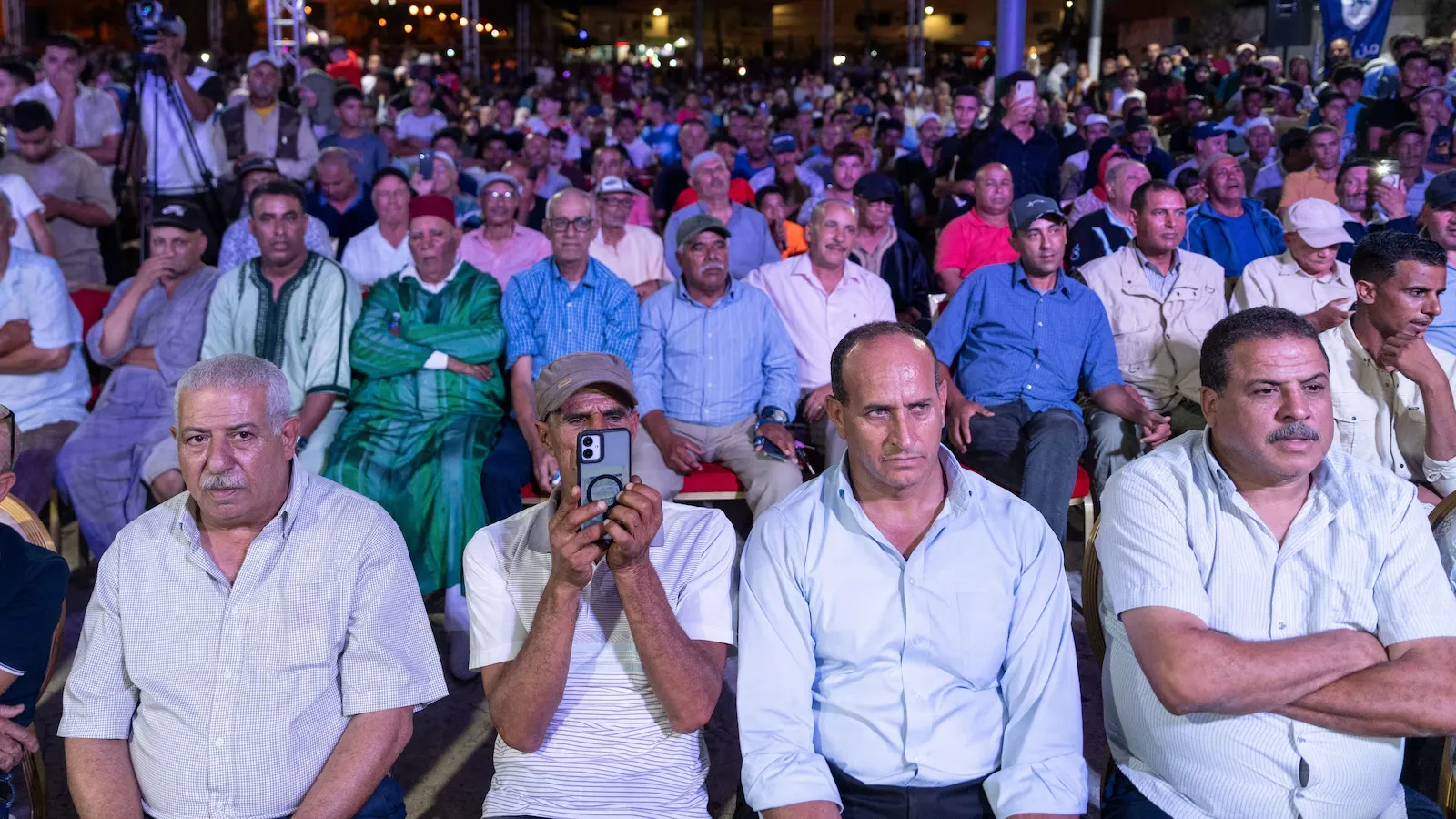
The establishment of this military outpost is intended to support an International Stabilization Force (ISF), which is envisioned as a cornerstone of Gaza’s future security and governance framework. Morocco has pledged to provide a modest contingent of troops that would rotate into Gaza from a base located in Israel. The UN resolution that authorized the formation of the Board of Peace also encompassed the deployment of an international stabilization force in Gaza. However, uncertainties persist regarding which countries will supply troops, the legal structure governing the force, and the timeline for any potential deployment.
The planned facility is also designed with a rapid withdrawal route for the Moroccan contingent in the event of an emergency. Additionally, Israeli forces have established a buffer zone beyond their immediate control area. The initial phase of this facility was originally conceived as a stepping stone towards a more extensive ISF installation, which could eventually accommodate around 5,000 personnel. Early plans included provisions for defensive positions, a raised perimeter bank, and essential infrastructure for short-term deployments, comprising tents, cots, chemical toilets, and handwashing facilities.
This military initiative has emerged shortly after Trump announced that Hamas had agreed to disarm, although many questions remain about the actual implementation of this process. In response to Trump's announcement, Israel has intensified its airstrikes in Gaza, expressing opposition to the proposed disarmament arrangement. Meanwhile, the Board of Peace appears to be scaling back its broader reconstruction ambitions for Gaza. Reports from July indicated that a previous comprehensive reconstruction blueprint has been reduced to a pilot project in southern Gaza, marking a significant shift from the more extensive development vision initially proposed earlier in the year.
At the board's inaugural meeting in January, Kushner introduced a "master plan" for what was referred to as "New Gaza," centered around a waterfront city featuring extensive mixed-use towers and development. Kushner described the initiative as a potential beacon of hope and a future destination for industrial growth. In a separate statement earlier in February 2025, Trump had suggested that the U.S. would "take over" Gaza, although the eventual agreement establishing the Board of Peace did not align with that proposal. It is estimated that at least 80% of the buildings in Gaza were either damaged or destroyed during the conflict, and ten months post-ceasefire, the majority of the territory’s nearly 2 million residents remain in makeshift and unsanitary living conditions.
As reported by timesofindia.indiatimes.com.