
Geneva (UNHRC) - On May 21, 2026, the United Nations Committee against Torture has leveled serious accusations against Morocco, highlighting systemic human rights violations faced by Sahrawi detainees linked to the Gdeim Izik protest movement in Western Sahara. The Committee's findings, released recently, point to a reliance on torture, coerced confessions, and inadequate investigations amid a series of politically sensitive prosecutions that have raised concerns internationally.
The allegations stem from the review of four individual complaints submitted by detainees who were arrested subsequent to the dismantling of the Gdeim Izik protest camp in 2010 near the occupied capital of Western Sahara, Aaiun. This camp, which drew over 20,000 Sahrawi protesters at its peak, was established to peacefully oppose Moroccan policies marked by colonial discrimination and the worsening socio-economic conditions in the region.
In their assessments, the Committee identified these four cases as indicative of a broader “consistent pattern” of abuse that has already been recognized in six previous rulings concerning Gdeim Izik detainees. The reports underscored alarming practices including arbitrary detention, solitary confinement, torture during interrogation sessions, and the use of coerced confessions as evidence in judicial proceedings.
The testimonies from the complainants revealed harrowing experiences of severe abuse throughout their arrest and detention periods, with reports of beatings, cigarette burns, threats of sexual violence, and physical torture methods such as suspension in painful stress positions known as the “roasted chicken,” alongside “falaka,” which involves striking the soles of the feet. The detainees also recounted experiences of prolonged solitary confinement, denial of essential food and medical care, and restricted access to legal representation and family visits.
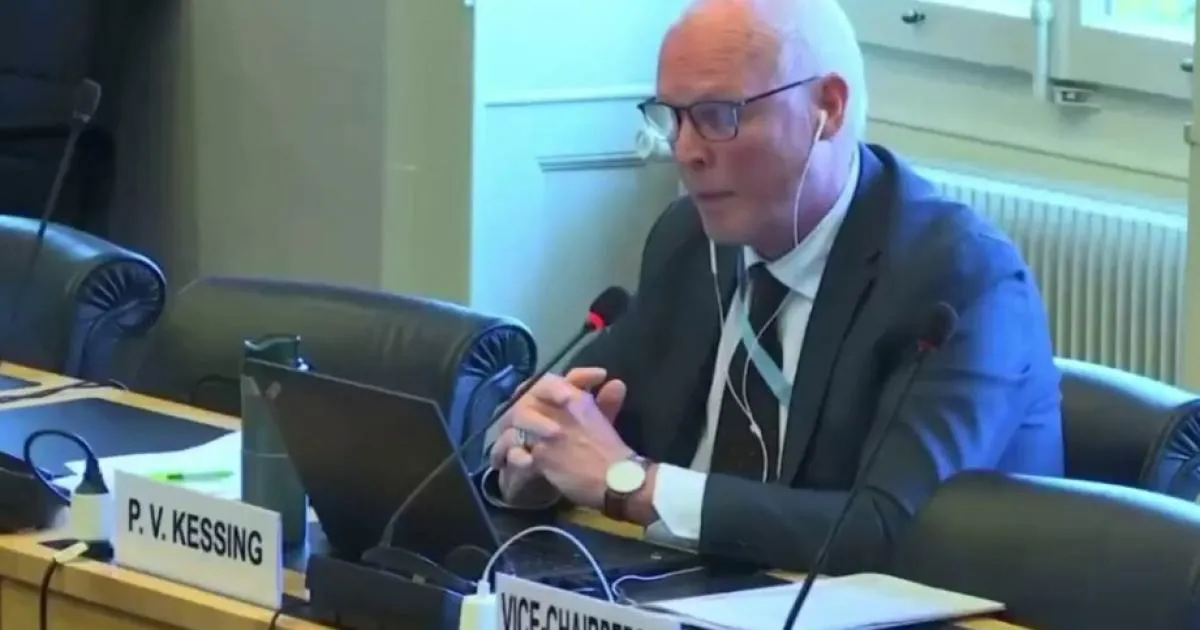
Peter Vedel Kessing, the Vice-Chair of the Committee against Torture, emphasized that the repeated nature of these allegations indicates a deeper, structural issue within Morocco’s handling of Gdeim Izik-related cases, rather than mere isolated incidents of misconduct. Kessing stated, “Unfortunately, these are not isolated cases, but a structural problem in the way Morocco handles cases related to Gdeim Izik.”
The Committee further criticized the Moroccan judicial authorities for allegedly neglecting to record torture complaints or initiate immediate investigations despite clear indications of abuse. It was noted that medical examinations were only ordered six years later by the Rabat Court of Appeal, and these examinations did not adhere to the Istanbul Protocol—an international standard for documenting torture.
Many complainants indicated that they were coerced into signing or fingerprinting police statements without understanding their content after being subjected to torture and mistreatment. These statements were subsequently used as critical evidence in military trials in 2013 and later in the Rabat Court of Appeal, leading to the convictions of the four detainees, with two receiving life sentences and the others sentenced to 25 years in prison.
The Committee concluded that Morocco has violated several obligations under the UN Convention against Torture. These violations include failing to conduct timely and impartial investigations into torture allegations, neglecting to prevent torture during detention and interrogation, denying effective mechanisms for lodging complaints, and relying on evidence that was allegedly obtained through coercion.
Additionally, the Committee expressed concern over Morocco’s ongoing reliance on disputed confessions in prosecutions linked to the Gdeim Izik case, despite repeated international condemnation. The Committee has called upon Moroccan authorities to initiate thorough and impartial investigations that comply with the revised Istanbul Protocol, to prosecute those responsible for acts of torture, and to provide adequate compensation and rehabilitation to the complainants.
Furthermore, the Committee urged the Moroccan authorities to review and, where necessary, annul convictions based on the contested confessions. They also demanded that detainees be granted regular access to legal counsel, medical professionals, and family members, while refraining from any intimidation or reprisals against those who have come forward with complaints.
The events surrounding the Gdeim Izik protest camp continue to resonate as one of the most politically charged instances in the contemporary history of Western Sahara, a territory that remains illegally occupied and colonized by Morocco. Human rights organizations have persistently raised alarms regarding the treatment of Sahrawi activists detained in connection with these protests; however, concrete international responses to these issues have yet to materialize. As reported by spsrasd.info.