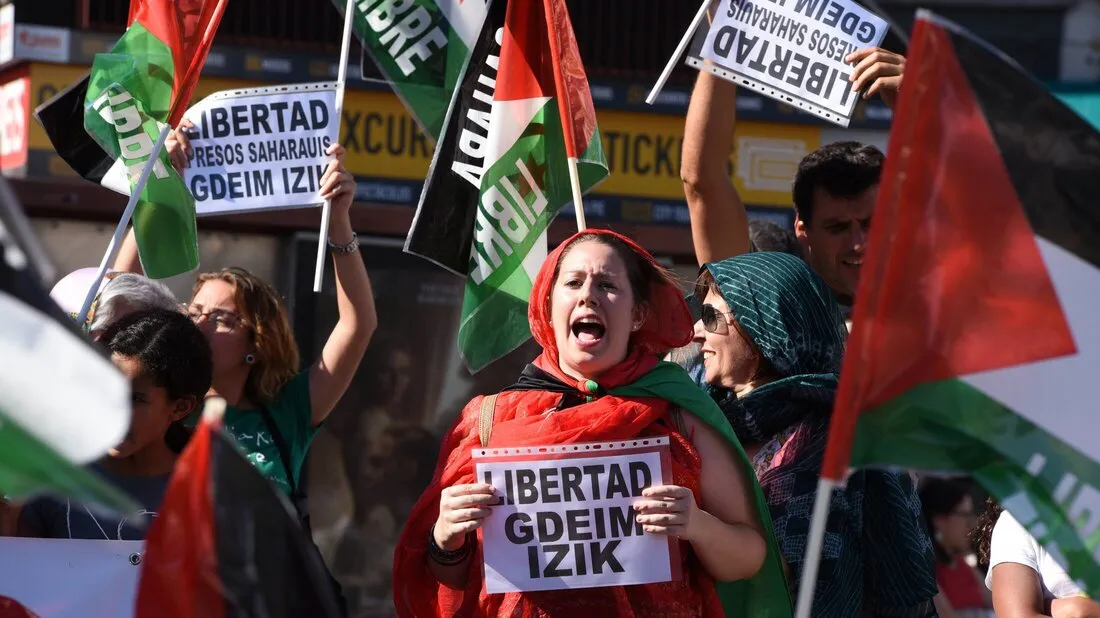

The Sahara Press Service reported on Friday about the findings of a UN investigation into the situation of Sahrawi political prisoners in Morocco. The UN Committee Against Torture has accused Morocco of systemic human rights violations against Sahrawi inmates. The committee concluded that the authorities resorted to torture, coerced confessions, and inadequate investigations in a series of politically sensitive criminal proceedings.
The results of the investigation were published by the committee after examining four complaints filed by prisoners arrested following the dismantling of the Gdeim Izik protest camp near the occupied capital of Western Sahara, El Aaiún, in 2010. This camp, which housed over 20,000 Sahrawi demonstrators, was established to peacefully protest against Morocco's policies of colonial discrimination and the deteriorating social and economic conditions in Western Sahara.
The UN body noted that the complainants testified to severe mistreatment during their arrest and detention. They reported being subjected to beatings, cigarette burns, threats of rape, painful stress positions, and a torture method known as 'Falaka,' which involves repeated blows to the soles of the feet. The prisoners also shared experiences of prolonged solitary confinement, denial of food and medical care, restricted access to legal counsel, and difficulties in family visits.
Peter Vedel Kessing, the vice-chair of the Committee Against Torture, remarked that these incidents are not isolated cases but reflect a structural problem in the way Morocco handles cases related to Gdeim Izik. The four detainees were ultimately convicted; two received life sentences, while the other two were sentenced to 25 years each.
The UN Committee is urging Morocco to initiate impartial investigations and to prosecute those responsible for torture. It is also calling on the colonial authorities to thoroughly review and potentially overturn convictions based on disputed confessions.
In the wake of a recently published report by the platform Correctiv regarding unlawful data processing by the EU police agency Europol and the EU border agency Frontex, Özlem Alev Demirel, the peace and foreign policy spokesperson for The Left in the EU Parliament, stated, "The accusations against Europol and Frontex are serious. Systematic violations of data protection and fundamental rights standards by EU agencies represent not just a technical issue, but a political failure. The EU Commission must finally reveal what consequences have been drawn, who is responsible, and how to prevent lawless data structures from developing within European authorities in the future."
Demirel further asserted that extending the mandates of Europol and Frontex should not occur while substantial doubts about the legality of their data processing persist. Before new powers are granted or cooperation is deepened, a comprehensive, transparent examination of past violations, effective independent oversight, and clear guarantees for the protection of fundamental rights and data privacy are essential.
The Berlin Administrative Court has ruled against the publisher 8. Mai, allowing the federal government to mention and monitor the daily newspaper junge Welt in its annual reports on constitutional protection. A higher authority must now decide on the matter.
In our view, this ruling restricts freedom of expression and the press in the Federal Republic. Conversely, it also makes it difficult for citizens to freely inform themselves from various sources. This is precisely our aim: to enlighten through well-crafted journalism. You can support this cause. Therefore, subscribe to junge Welt for press freedom!
As reported by jungewelt.de.