
UN Secretary-General Guterres Faces Critical Appeals on Western Sahara Situation
Last week, António Guterres, the Secretary-General of the United Nations, was the recipient of two significant letters concerning the anticipated report on the operations of MINURSO (the United Nations Mission for the Referendum in Western Sahara) and the current situation in the Moroccan-occupied territory of Western Sahara. This report is crucial as it will inform the UN Security Council's decision in October regarding the continuation and direction of the mission.
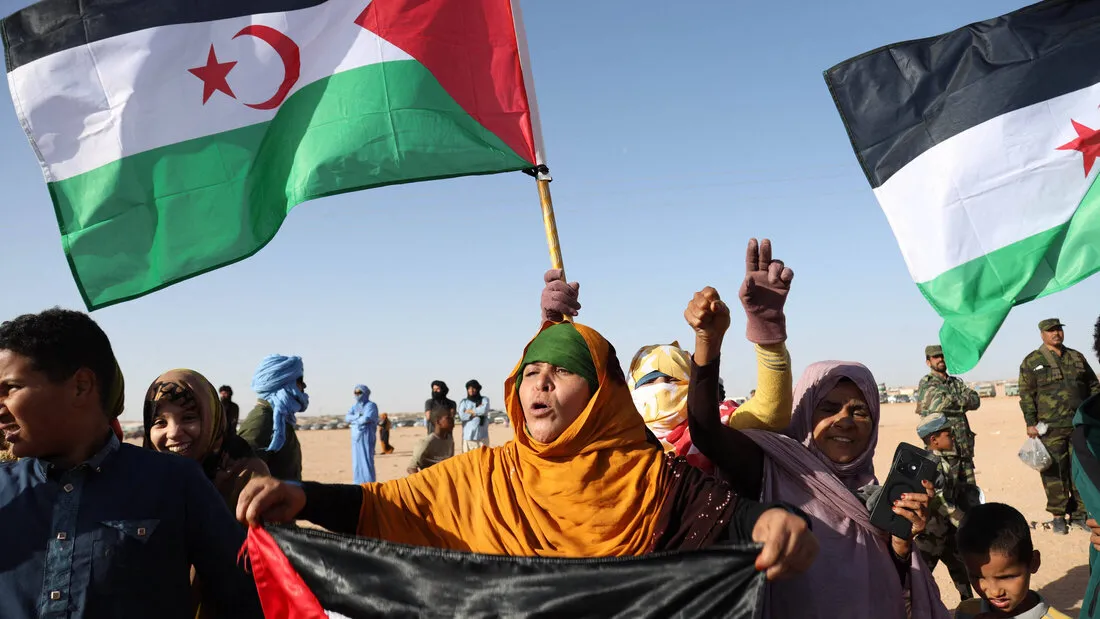
The first letter was sent by Brahim Ghali, the President of the Sahrawi Arab Democratic Republic and the Secretary-General of the Polisario Front. In his correspondence, Ghali highlighted the United Nations' special responsibility towards Western Sahara, which is still classified by the UN as a non-self-governing territory awaiting decolonization. He asserted that the Sahrawi people's right to self-determination is non-negotiable and must include the possibility of independence through a "free, transparent, and democratic process." Ghali accused Morocco of employing "systematic colonial practices" characterized by intimidation, impoverishment, disenfranchisement, and collective punishment. He referenced a report from the UN Committee Against Torture, which accused Morocco of using forced confessions in court proceedings. Furthermore, he condemned Morocco's refusal since 2015 to allow UN access to the occupied territory, thereby obstructing independent reports on the human rights situation. Despite these grievances, Ghali expressed a "sincere willingness" to engage in direct negotiations with the Moroccan Kingdom under UN auspices to achieve a peaceful resolution to the conflict.
The second letter came from the non-governmental organization Western Sahara Resource Watch (WSRW), which urged the UN to pay significantly greater attention to the ongoing development and exploitation of natural resources in Western Sahara due to the unresolved legal status of the territory. The Moroccan state-owned company Office Chérifien des Phosphates is actively mining high-quality phosphate in the region. Additionally, there is an export-oriented agricultural sector that produces fruits and vegetables, along with several wind farms generating "green energy" for the European market. Earlier this year, Morocco reportedly entered into agreements for green hydrogen projects valued at approximately $35 billion, according to WSRW. They emphasized that the issue of resources is central to the UN-led process, as it alters the conditions for a potential resolution and creates "facts on the ground." WSRW concluded that calling for a suspension of resource extraction and trade until the legal status is clarified could provide the conflicting parties with "incentives" for compromise.
The urgency of these letters is heightened by concerns over a potential shift in the Security Council's position favoring Morocco. In October 2025, the annual extension of the MINURSO mandate marked a turning point in the conflict, as the Security Council recognized Morocco's proposed autonomy plan as the "most realistic solution" for the first time. This resolution was introduced by the US government under President Donald Trump, which has taken the lead on the Western Sahara issue within the United Nations. Since then, the referendum agreed upon in 1991 between Morocco and the Polisario Front, which was supposed to include the option of independence, risks being overshadowed by a vaguely defined autonomy, effectively sidelining the UN process. This concern appears justified, especially given the unprecedented strength of relations between the United States and Morocco. In July, King Mohammed VI renamed a highway running from southern Morocco through Western Sahara to "President Donald J. Trump Highway"—a gesture of gratitude for the US government's robust support for Morocco's claim to Western Sahara.
As reported by jungewelt.de.