
The United Nations Security Council achieved a significant milestone on October 31 by approving a crucial resolution that endorses Morocco's autonomy plan as the primary framework for resolving the Western Sahara conflict. This development marks a notable diplomatic victory for Rabat, setting the stage for a potential paradigm shift across North Africa.
In light of this momentum, the U.S. diplomatic machinery is already in motion to leverage the situation. U.S. Special Envoy Steve Witkoff has publicly declared that his team is racing against the clock to finalize a comprehensive agreement between Morocco and Algeria within the next 60 days. President Donald Trump is keen on securing another historical foreign policy victory under the banner of international peacekeeping.
A pact of this magnitude would have far-reaching implications for Europe, particularly for Spain. A genuine rapprochement between these neighboring countries could facilitate the integration of the Maghreb economy while drastically reducing migration pressures towards Europe. An analysis published by the Middle East Institute underscores that such reconciliation could lead to enhanced energy cooperation and significantly improved counter-terrorism coordination in the volatile Sahel region.
The rivalry between Morocco and Algeria has its roots in the post-colonial era and the brief border war they fought in 1963. Since then, their political systems have evolved into opposing visions, with Morocco maintaining a pro-Western stance and advocating free trade, while Algeria has historically been wary of its neighbor's alliances.
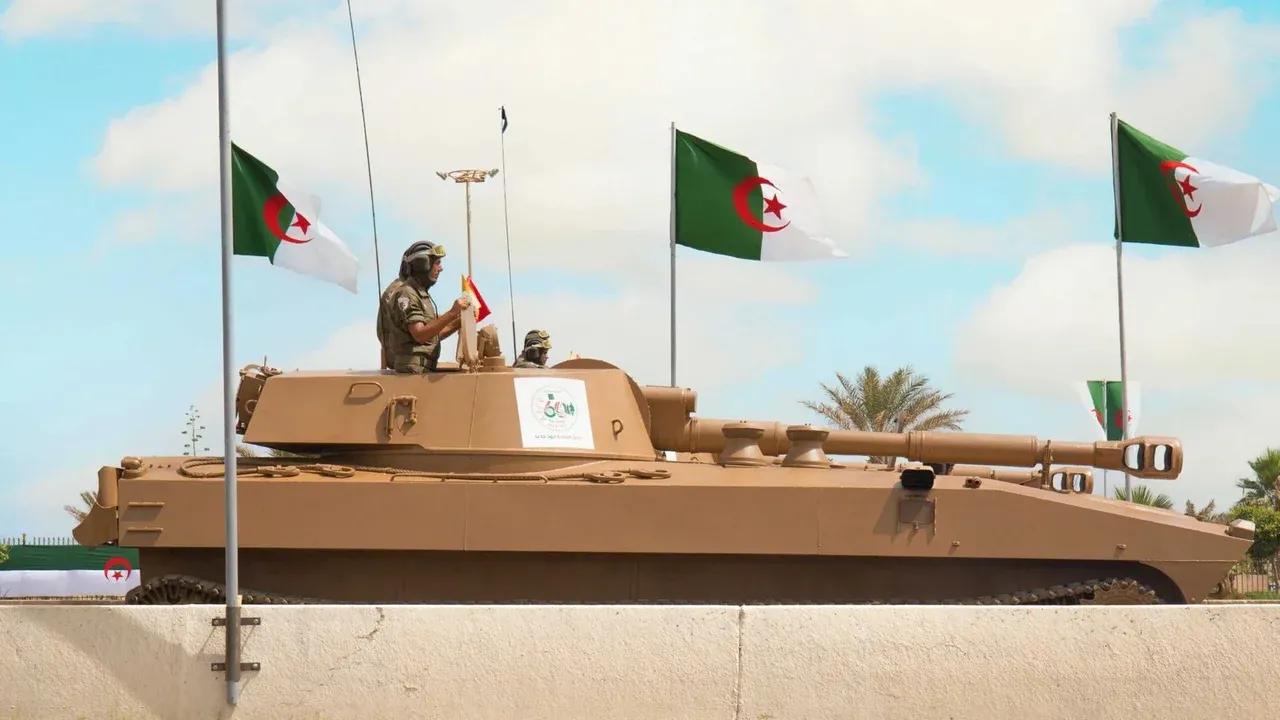
Furthermore, Morocco's recent rapprochement with Israel has heightened the sense of threat in Algiers. In response, the Algerian government has approved a defense budget of $25 billion for 2025, a figure that far surpasses Morocco's military spending and highlights the escalating tensions in the region.
This financial injection is earmarked for future acquisitions, including Russian stealth fighters such as the Su-57 and Su-35, as well as Iskander-M missiles and advanced radar systems. Although neither North African power desires an open armed conflict, both are actively preparing for the worst-case scenarios, presenting a security dilemma that any peace agreement will need to address.
The current geopolitical landscape favors Morocco significantly. The U.S. recognition of Moroccan sovereignty over Western Sahara in 2020 has triggered a domino effect, garnering explicit support from Spain, France, and the United Kingdom for its autonomy plan. In contrast, Algeria and the Polisario Front find themselves in a strategically weakened position against this diplomatic offensive.
In recent years, Algeria's approach has been characterized by a purely reactive stance, focused on countering Morocco's regional influence. Any successful negotiations spearheaded by Washington will need to provide Algeria with a dignified exit strategy. Experts suggest that incentives should focus on modernizing Algeria's economy and attracting foreign direct investment.
Successful U.S. mediation would deal a significant blow to the influence of Russia and China in this vital region. Ultimately, the Maghreb serves as an essential bridge between Europe and sub-Saharan Africa, so easing tensions would redefine the balance of power across the Mediterranean.
As reported by larazon.es.