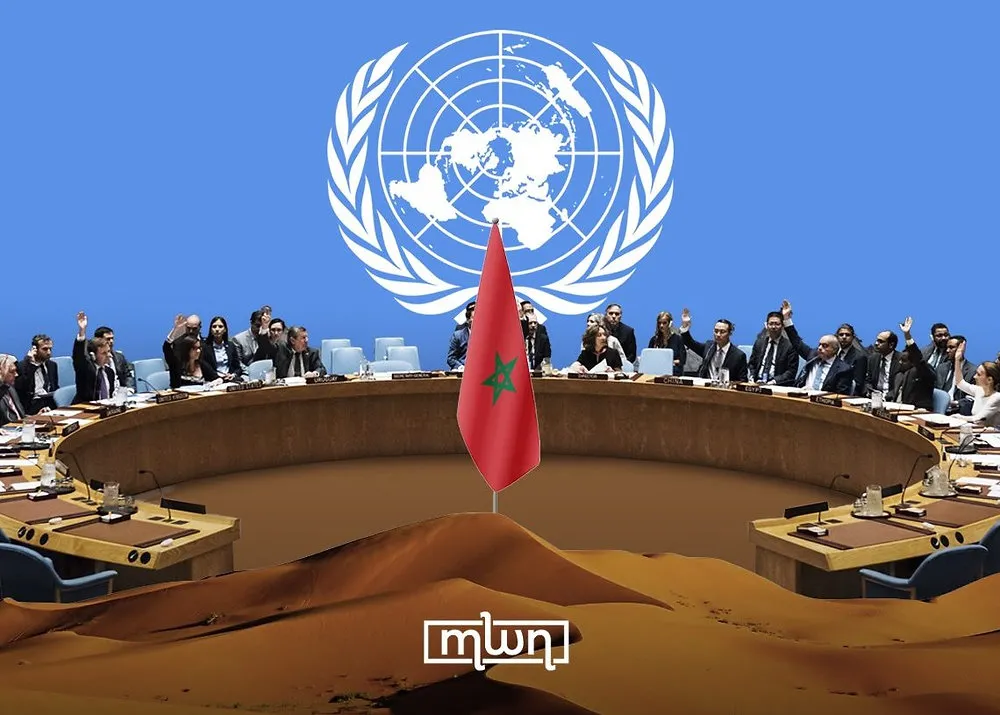

In a significant diplomatic development for Morocco, the United Nations Security Council (UNSC) is set to engage in two crucial closed meetings regarding Western Sahara on October 7 and 8, 2026. These discussions precede the impending expiration of the mandate for the UN Mission in Western Sahara (MINURSO) on October 31. The provisional schedule for these meetings was adopted by Greece, which currently holds the presidency of the Council for October. The first meeting on October 7 will focus on troop-contributing nations, while the following day will involve comprehensive consultations among all Council members.
These meetings are pivotal as the UNSC prepares to consider the renewal of MINURSO’s mandate. Special Representative and Head of MINURSO, Alexander Ivanko, will provide essential briefings on the situation. Additionally, the Personal Envoy of the Secretary-General, Staffan de Mistura, will present insights from the Secretary-General’s annual report. A vote to extend the mission’s mandate is anticipated in the near future.
The backdrop of these discussions reflects a shifting diplomatic landscape increasingly favoring Morocco. The UNSC's Resolution 2797, adopted on October 31, 2025, reaffirmed the mission’s mandate for another year while expressing robust support for the Secretary-General and his Envoy in facilitating negotiations based on Morocco’s Autonomy Plan. This plan, proposed to the UN in 2007, seeks to integrate Western Sahara into Morocco, allowing local governance of internal affairs while Morocco retains control over external representation. The resolution strongly encourages all parties to engage in negotiations without preconditions and acknowledges that genuine autonomy could lead to a feasible resolution.
The United States, acting as the penholder on this issue, has played a crucial role in maintaining momentum towards a favorable outcome for Morocco. Since recognizing Moroccan sovereignty over Western Sahara in December 2020, the U.S. has consistently supported Morocco's Autonomy Plan as the sole basis for a fair and lasting resolution. Earlier this year, diplomatic activities intensified when the U.S. organized ministerial-level talks among Morocco, Algeria, Mauritania, and the separatist Polisario Front, marking a significant step toward dialogue among all relevant stakeholders.
However, despite these efforts, progress has been hampered by entrenched positions. Morocco’s approach, which ties any potential settlement to autonomy under its sovereignty, contrasts sharply with the Polisario’s rigid interpretation of self-determination, which appears devoid of a realistic path to resolution. In a recent interview, a U.S. official highlighted the lack of an imminent solution, attributing the stagnation to the Polisario's unwillingness to formally respond to Morocco's Autonomy Plan.
In a notable shift, the U.S. has transitioned from mediator to enforcer, emphasizing the need for real choices for the populations affected by the prolonged conflict. This change was underscored by U.S. Ambassador Mike Waltz’s statements urging the Polisario to consider the realities of the situation and to engage constructively in the ongoing negotiations, lest they prolong the status quo.
The UNSC's discussions will also involve a strategic review of MINURSO’s future mandate. Options being considered may include adjustments to the mission's responsibilities, particularly in light of any potential political agreements. The stability of the situation on the ground remains relatively intact, though sporadic provocations from the Polisario have drawn international condemnation.
As the UNSC prepares for these critical discussions, the dynamics within the Council reflect a growing consensus around Morocco's Autonomy Plan, with various nations voicing their support for this framework as the most credible path toward a resolution. France, the United Kingdom, and Denmark are among the countries that have publicly endorsed this approach, highlighting a shift in global perception towards Morocco’s position.
In summary, as Morocco prepares to navigate the upcoming meetings at the UNSC, the path forward appears to be one of consolidating diplomatic gains while advocating for a resolution grounded in its Autonomy Plan. The international community's response and the outcomes of these discussions will be pivotal in shaping the future of Western Sahara.
As reported by genocidewatch.com.