
Subsidized Flour Misused in Casablanca's Informal Bakeries
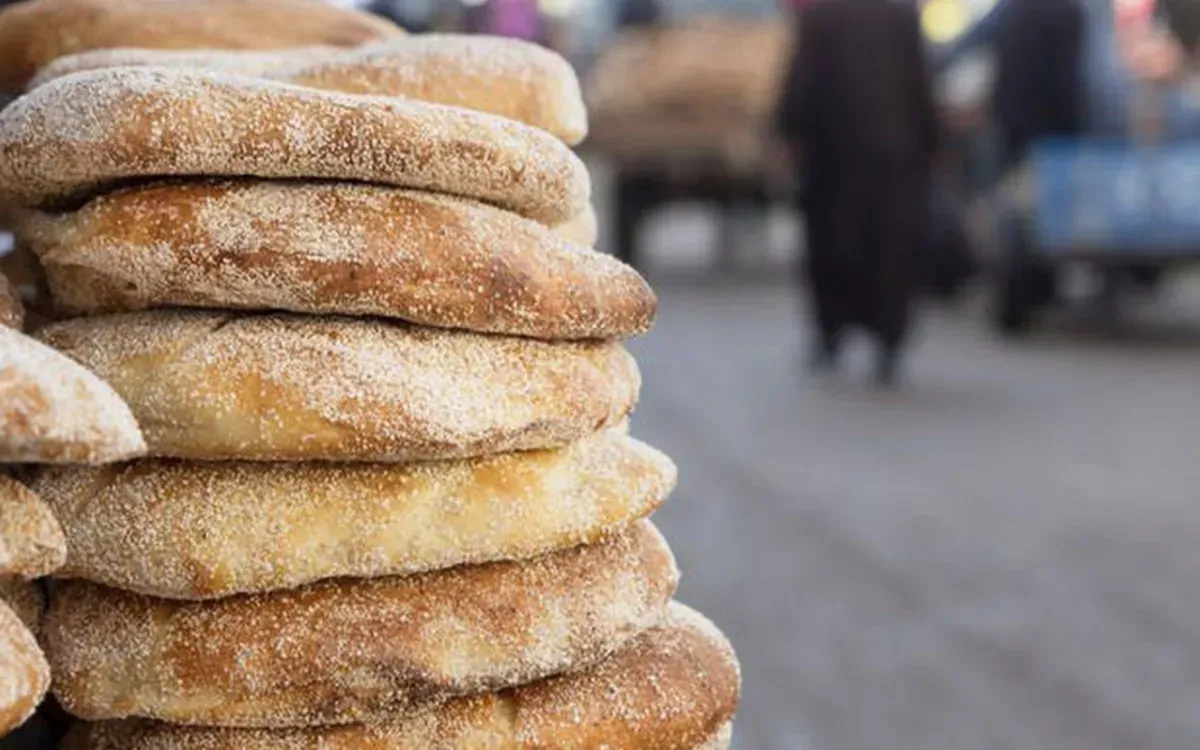
On August 12, 2026, a troubling discovery was made in the bustling city of Casablanca, where subsidized flour intended for the poorest households was found in an informal bakery. Initial investigations reveal a network operating clandestinely, having sold several tons of this flour for commercial purposes, thus undermining the very foundation of the subsidy system designed to aid the needy. The Ministry of Interior's control services uncovered this alarming situation in the Hay El Hassani neighborhood, where numerous sacks of national subsidized flour were being utilized to produce bread intended for sale, as reported by the daily newspaper _Assabah_.
Significant Financial Implications and Ongoing Investigations
This flour is not meant for the conventional commercial circuit. Its distribution is strictly regulated, confined to specific areas and quantities as determined by an inter-ministerial commission, all aimed at supporting the most socio-economically vulnerable groups in society. Investigators are now delving deeper to understand how such large volumes of subsidized flour managed to find their way into this bakery. Preliminary findings indicate that this issue extends beyond a single establishment, with evidence suggesting that a clandestine network has been supplying multiple informal bakeries, distributing several tons of subsidized flour, which was sold at a markup of 50 cents per kilogram. This system allows for a double profit margin: the network profits from reselling the flour, while the bakeries acquire raw materials at a cost lower than that of flour typically intended for professional use. Meanwhile, the product that was supposed to reach the households in need is no longer available to them, creating a significant financial burden.
According to figures from the Ministry of Economy cited by _Assabah_, public support for this flour exceeds two billion dirhams annually, with a subsidy of two dirhams per kilogram covering a contingent of 6.5 million quintals of soft wheat. As the investigation unfolds, authorities are focused on tracing the entire distribution chain. The quantities discovered suggest that these informal bakeries could not have sourced the "flour for the poor" independently. Investigators are now working to identify who, upstream, enabled the diversion of several tons of subsidized flour from its intended distribution channels.
As reported by bladi.net.