
African Youth: The Frustration of Generation Z
The ongoing crisis in Ceuta has once again spotlighted the complex issue of migration to Europe, particularly as it pertains to Africa's Generation Z. This demographic, which comprises individuals born between 1995 and 2010, is characterized by a unique blend of frustration and determination, leading many to seek improved prospects for their futures. The political landscape in Africa, often governed by aging elites, is a stark contrast to the youthful population that yearns for change. For instance, in Nigeria, approximately 25% of the population belongs to Generation Z, compared to just about 14% in Germany. Many young Africans are raised under authoritarian regimes, facing daily oppression and human rights violations, compounded by a lack of economic opportunities and persistent crises. This sense of frustration is palpable, yet so is the courage to instigate change.
Recent surveys conducted by the Konrad Adenauer Foundation in Sub-Saharan Africa reveal that the youth are increasingly impatient and unwilling to bear the weight of outdated leadership. An alarming contradiction exists where a continent with the largest proportion of young people is governed by a cadre of aging politicians, such as Cameroon’s 93-year-old Paul Biya and Uganda’s 81-year-old Yoweri Museveni, who have held their positions for decades. While some countries experience changes in leadership, political parties often remain entrenched, especially in Southern Africa, including nations like Tanzania, Namibia, and Zimbabwe, where the same parties have maintained power for years.
The Aspirations and Challenges of Generation Z
As noted by Stefan Friedrich, the head of the Africa department at the Konrad Adenauer Foundation, Africa's Generation Z is more self-assured than previous generations and is not easily swayed by domestic or foreign influences. This generation, arguably the most educated Africa has seen, demands less corruption, more jobs, improved economic prospects, and a political renewal. Protests led by Generation Z could erupt as early as 2024/25, with significant unrest anticipated in countries like Madagascar, Nigeria, and Kenya, where the potential for protest remains high.
While Generation Z supports democracy, there is growing criticism of its effectiveness when it fails to meet their expectations. The youth prioritize a robust economy and viable opportunities above all. However, sustainable change often eludes them, as seen in Sudan, where a push for change resulted in a brutal civil war. Nonetheless, there are successes, such as in Senegal, where a protest movement successfully thwarted President Macky Sall's attempts to extend his term unconstitutionally. Similarly, in Kenya, the government had to retract a proposed tax reform in response to the protests led by the youth. Unfortunately, many movements lack a structured leadership, which limits their effectiveness and sustainability.
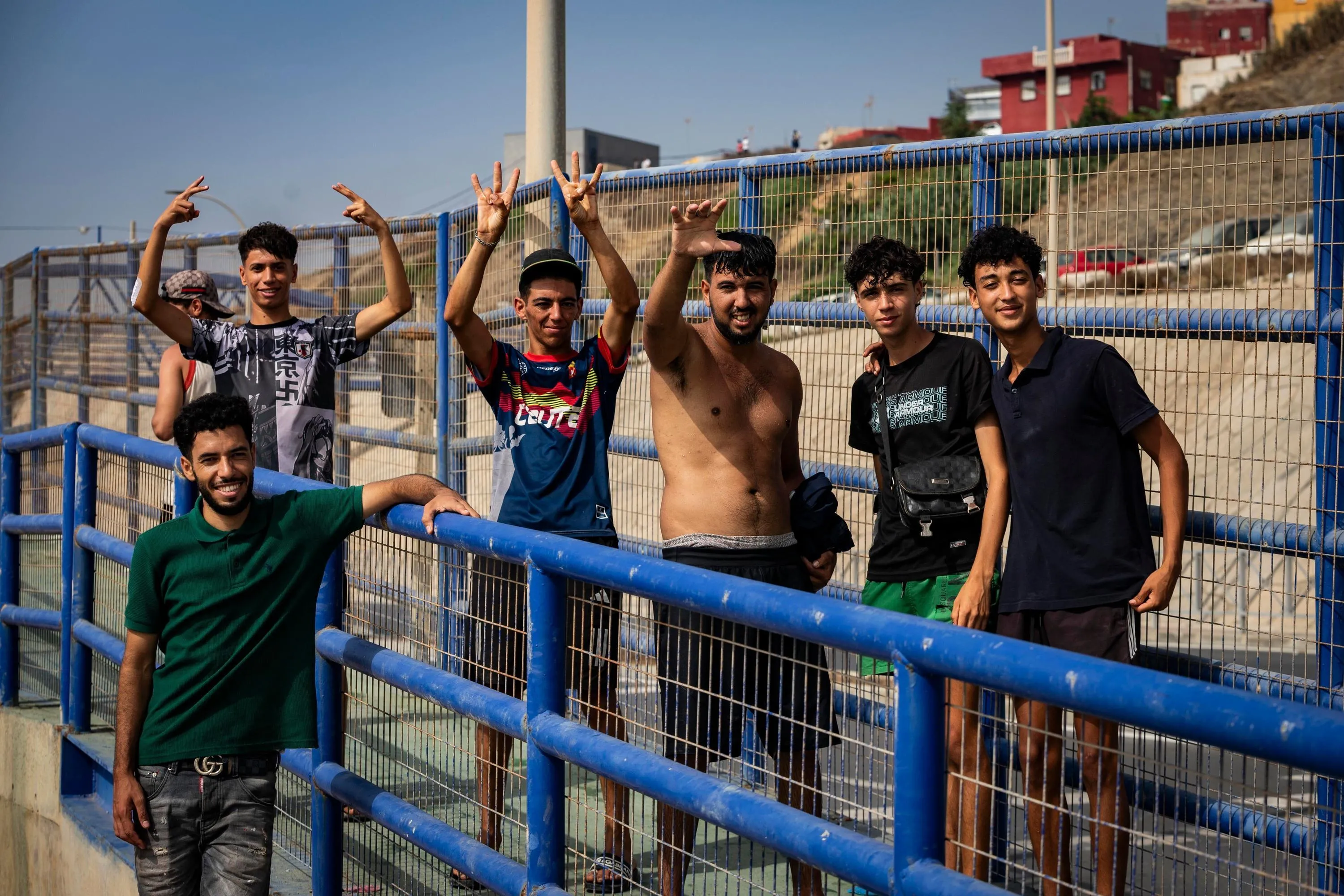
The desire for a better life in Europe resonates deeply within this demographic, but it does not equate to a mass exodus from Africa. Recent events in Ceuta, where thousands from Morocco surged into the Spanish enclave, illustrate the complex dynamics at play. Spanish media suggested that the Moroccan government may have orchestrated this influx to apply pressure on Spain. Thus, the question arises: how might the frustrated and leaderless Generation Z become pawns in larger geopolitical games?
It is crucial to understand that a significant portion of Generation Z seeks greater independence from foreign influences, whether from Western nations, Russia, Turkey, China, or Gulf states. However, if the circumstances for young Africans do not improve, could this lead to increased migration to Europe? Social media has made young Africans acutely aware of living conditions in other regions, fostering a desire for better opportunities abroad. Yet, it is essential to note that conflicts in East and Southern Africa are likely to cause internal migrations rather than movements toward Europe. The situation in West Africa, particularly in the Sahel region, is different; conflicts here could propel young people toward Europe.
Russia’s expanding influence in West Africa is notable. Utilizing social media, the Kremlin has managed to sway young populations by employing influencers to disseminate pro-Russian narratives. This has been particularly evident during political upheavals in Mali, Niger, and Burkina Faso, where Russian flags have appeared at protests. Although there are no concrete indications that Russia could initiate mass migration from West Africa, skepticism remains about the barriers young people face in attempting to reach Europe.
In light of these developments, should Europe and Germany pay more attention to Africa’s youth? Absolutely; they represent a pivotal generation for the future. It is anticipated that today's Generation Z will eventually occupy leadership roles and significantly influence their nations' trajectories. The current German policies toward Africa are becoming more proactive in creating economic opportunities for young people. Establishing future prospects is essential.
Recent surveys, such as the Afro-Barometer's 2024/25 report, indicate a declining support for democracy among those aged 18 to 25, alongside waning electoral participation and rising disillusionment with politics. The recent parliamentary and presidential elections in Nigeria saw a mere 27% voter turnout, a stark indicator of the urgency needed to address economic development. The dissatisfaction expressed by the youth is less a rejection of democracy itself and more a reflection of their frustration with the lack of developmental opportunities and prospects. Strengthening Africa's economy, in turn, will fortify its democratic structures.
As reported by web.de.