
Morocco's Call for Repatriation of Minors: A Strategic Message
In a recent discussion on the Spanish television program "Al Rojo Vivo," journalist Ignacio Cembrero addressed Morocco's demands for the repatriation of Moroccan minors currently residing in Spain. Cembrero articulated that Moroccan authorities are fully aware of Spain's commitment to safeguarding the rights of minors, emphasizing that the processes involved are intricate and require significant cooperation from both nations. This demand appears to be less about the actual repatriation and more about sending a message aimed at both Moroccan public opinion and European stakeholders who might find this narrative credible.
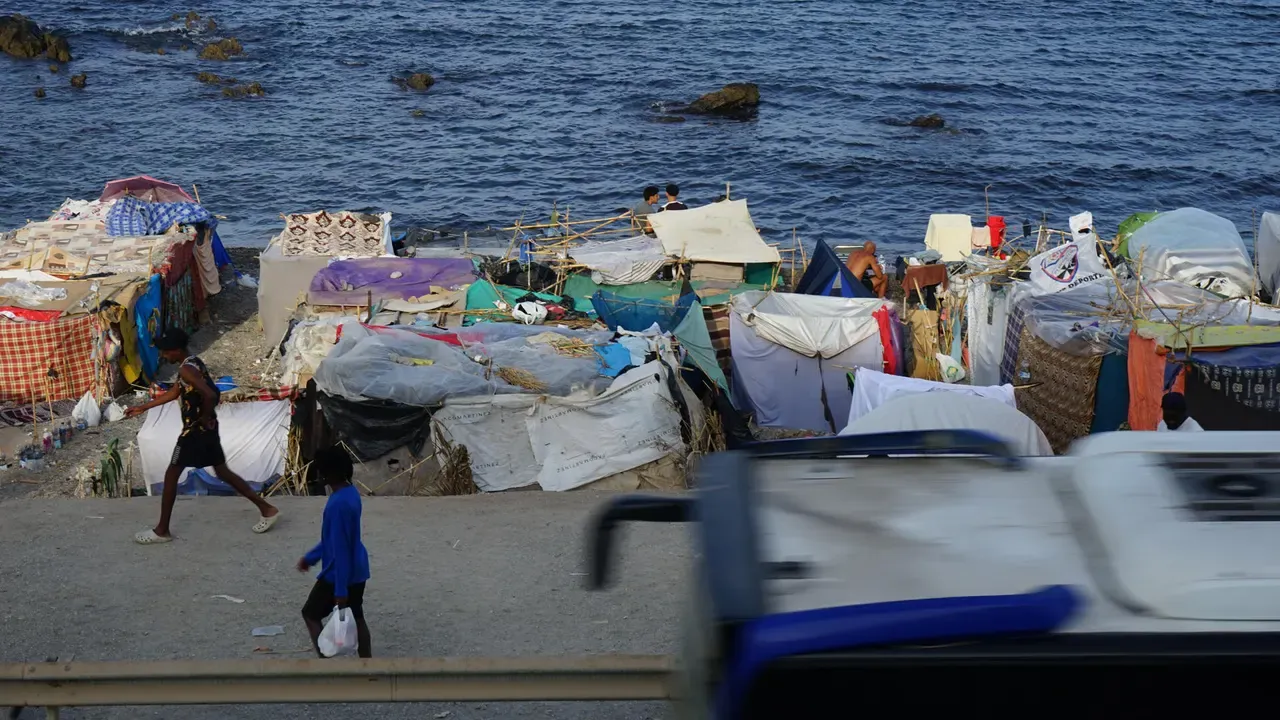
Cembrero highlighted that the Moroccan Minister of Justice's statements pose a serious threat to existing agreements between Spain and Morocco. This minister holds a position of sovereignty, appointed directly by the Moroccan king, which lends weight to his pronouncements. In Moroccan media, there have been portrayals suggesting that minors in Ceuta are being held captive, depicted as being behind bars, watched over by the Civil Guard, while a school bus awaits them just beyond that barrier. Such imagery, Cembrero argues, is misleading and intended to manipulate public sentiment.
The journalist further elaborated that Moroccan authorities understand that Spain operates as a "guaranteeing state," particularly in matters concerning children. The bureaucratic nature of these processes is not lost on them; yet, they persist in constructing a narrative that positions Spain as obstructive in the repatriation of these minors. Notably, Cembrero pointed out that the Moroccan government has historically failed to provide the necessary cooperation for the identification of families or ensuring legal protection for minors returning home, which complicates any potential repatriation efforts.
In conclusion, Cembrero presented a striking statistic: over the past decade, a mere 0.15% of Moroccan minors who have entered Spain have been successfully repatriated. While it is true that many do not wish to return, even those who express a desire to go back encounter systemic barriers due to the lack of action from Moroccan authorities. This situation underscores the complexities involved in international child welfare and the need for collaborative frameworks to address the challenges faced by minors caught in such geopolitical disputes.
As reported by lasexta.com.