
Smoke Emission Regulations and Their Implications
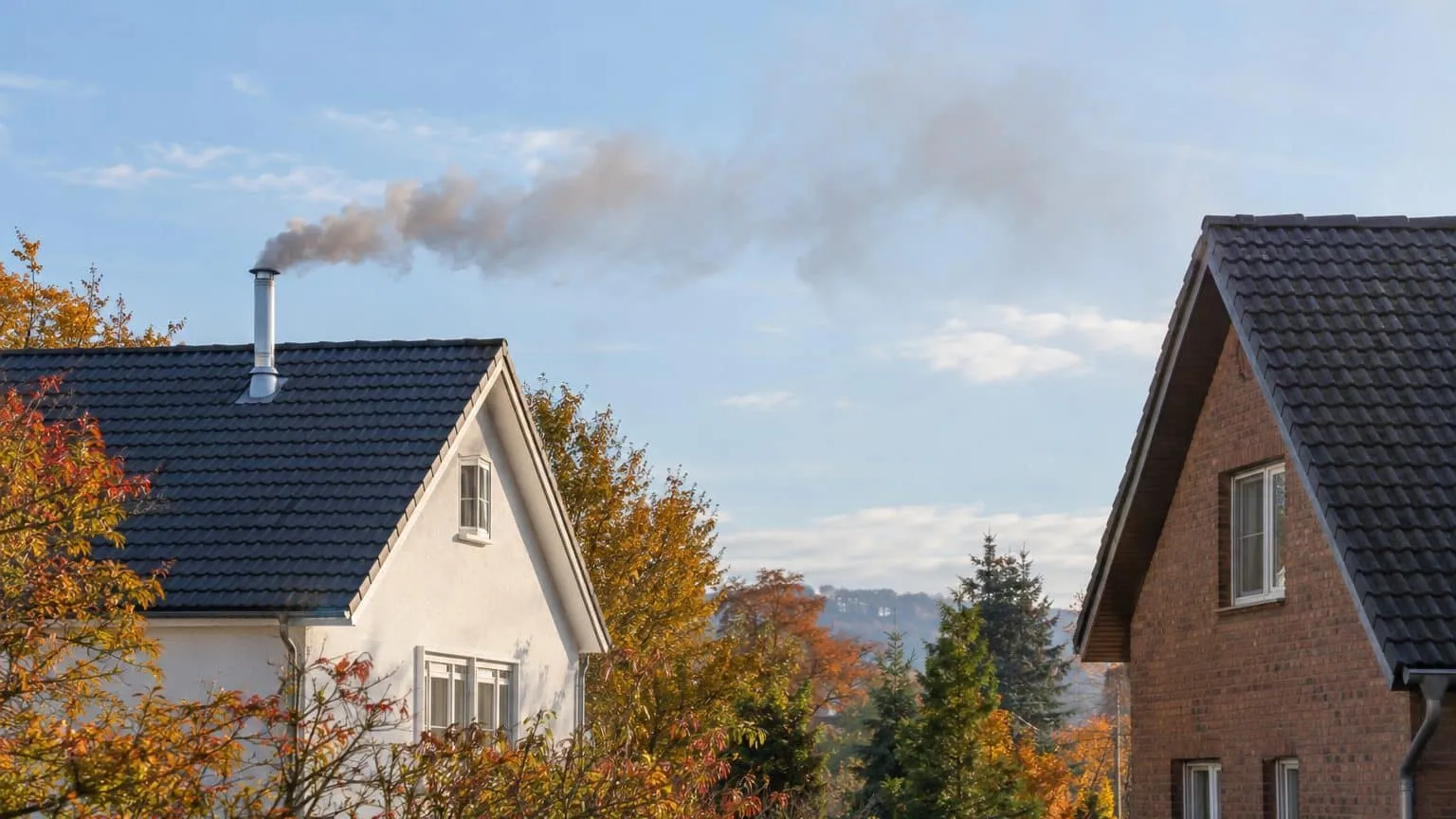
When it comes to smoke emission from stoves, homeowners must navigate a complex landscape of regulations. According to DTU 24.1, a crucial guideline in France, the chimney outlet must extend at least 40 centimeters above any nearby structure within an 8-meter radius, including the neighbor's house. This regulation is not merely a suggestion; it is a requirement that aims to prevent smoke from invading neighboring properties. Homeowners should not assume that merely exceeding the height of their own roof is sufficient, as this could lead to disputes and legal issues. A simple measurement with a tape can often clarify compliance or violations.
Legal Responsibilities and Neighborly Relations
Even if a homeowner follows the established norms, they may still face challenges if smoke infiltrates adjacent properties. Neighbors adversely affected by smoke can claim that they are experiencing an abnormal disturbance, a legal principle that has been codified in Article 1253 of the French Civil Code since April 2024. This law establishes strict liability, meaning that the affected party does not need to prove fault—only that the inconvenience exceeds normal neighborhood disturbances. For instance, a well-installed and maintained stove can still lead to legal repercussions for the owner if it causes smoke problems. A case in Évreux highlighted this issue, where smoke from a stove affected a neighbor's outdoor space, leading the court to recognize even minimal smoke exposure as beyond acceptable limits. The measurement of carbon monoxide at 26 parts per million during a smoke observation underscored the severity of the issue.
When smoke problems are persistent, judges can mandate that the chimney be raised, with costs borne by the stove owner. While this is a common resolution, it does not solve all problems, as demonstrated in an Ardennes case where even a proposed chimney elevation did not resolve the issue, resulting in a court order for complete removal. New homeowners should be aware that Article 1253 allows for exemptions for activities that predate their property acquisition, primarily concerning agricultural activities, which may complicate situations involving residential stoves.
To effectively present a case to a judge, it is crucial to document disturbances meticulously. Keeping a log of dates, times, wind directions, and the duration of smoke incidents, supplemented with photographs and videos, can significantly strengthen a claim. Additionally, a formal report from a judicial officer can lend substantial weight to an argument, as seen in the Ardennes case, where evidence demonstrated significant smoke accumulation in the neighbor's garden. Victims have a five-year window to take legal action, but pursuing amicable solutions through mediation is often a more efficient route. Engaging a conciliator, who can be accessed through local municipalities or justice websites, can help resolve disputes before they escalate to court.
For stove owners, it is vital to assess their setup before reigniting their stoves, particularly if the outlet is within 8 meters of a neighboring structure or higher extension. Professional installation does not guarantee compliance, so measuring in relation to nearby windows and terraces is essential. In the Évreux situation, the appointed expert proposed several remedial actions, such as installing a low air intake, an insulated flue, and a smoke extractor. Addressing these elements proactively is generally less costly than facing legal proceedings.
Finally, fostering open communication with neighbors is a key strategy in preventing disputes over smoke emissions. Many conflicts arise from a lack of dialogue, as neighbors may endure smoke issues for extended periods without voicing their concerns. A simple invitation to discuss the direction of smoke during a heating session can often lead to a resolution that allows homeowners to make adjustments at their convenience. Municipal authorities can also play a role; mayors have the authority to mandate health inspectors to assess and confirm the extent of smoke disturbances, as highlighted by the Ministry of Ecological Transition in its parliamentary responses regarding wood heating smoke.
As reported by journaldesseniors.20minutes.fr.