

Spain's Comprehensive Air Surveillance Network
The intricate network of radar systems spread across the Iberian Peninsula and its surrounding archipelagos plays a crucial role in identifying and monitoring aircraft that may pose a threat to national security. When an aircraft appears on a radar screen, it does not immediately signify a recognized threat. Instead, a thorough process must be followed: tracking its trajectory, identifying the aircraft, and determining whether to deploy resources for reconnaissance. In Spain, this process is initiated through a sophisticated surveillance network that is strategically distributed throughout the territory.
The air surveillance squadrons are responsible for obtaining and transmitting data from their radar systems. These data are then compiled by control centers alongside information from other sensors to create a comprehensive situational awareness of the airspace. The effective coordination between different posts and units ensures that when a detection occurs, the appropriate decision-makers are promptly alerted.
However, the capabilities of this organization come with specific limitations. The tasks of detecting an object and intercepting it are fundamentally different: the former relies on the effectiveness of sensors and identification methods, while the latter depends on the available assets, their positioning, and the time required for response. This distinction becomes particularly critical when dealing with small drones or threats operating at low altitudes.
From Detection to Response
In a video released on July 14, 2024, on his channel 'Cosas Militares', military analyst Yago Rodríguez emphasizes the significance of Spain's air surveillance squadrons. He elaborates on the extensive radar coverage throughout the country, stating, "Not all countries possess an integrated air defense system like Spain, thanks to its network of surveillance squadrons." His argument is centered around the importance of information sharing among radars, fighter jets, and other anti-aircraft systems.
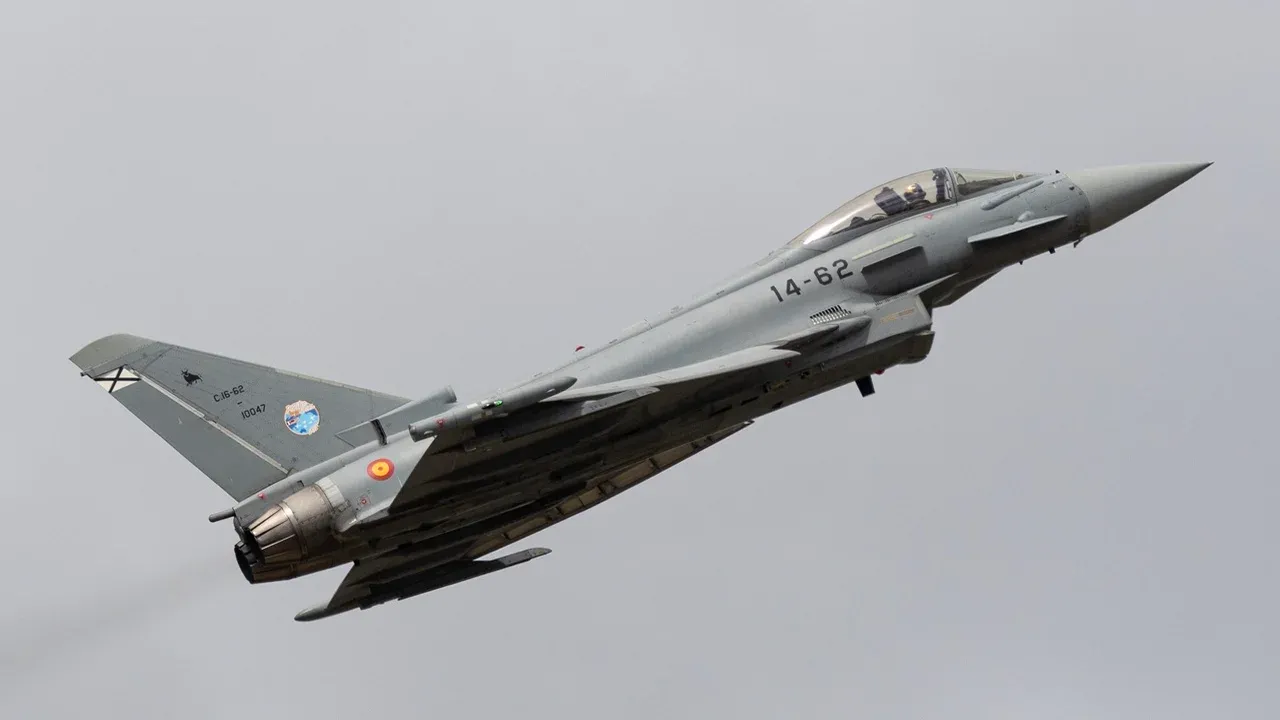
The official description from the Spanish Air and Space Force outlines the journey of data from detection to decision-making. The squadrons relay information to surveillance and control centers where tracks are generated and identified. If the available information is insufficient to determine the identity of the aircraft, the Air Operations Center can issue a launch order for alert fighters to visually identify the aircraft. Here, radar systems provide initial leads, while the control center determines the appropriate response.
This combination of sensors and command structures also highlights why radar technology is as vital as the aircraft themselves. A continuously updated aerial image grants more time for assessing the situation, and NATO incorporates surveillance, command, and response capabilities into its integrated defense concept, which also considers the costs associated with interceptions.
Moreover, Spain's network extends beyond the mainland, encompassing the Balearic and Canary Islands. Documentation from the Air Force indicates the presence of squadrons in these regions, with EVA 21 and 22 contributing to the archipelago's surveillance efforts. In December 2025, the Ministry of Defense announced the addition of a Lanza LRR radar to EVA 22 in Lanzarote, enhancing the system's early detection capabilities.
Spain also integrates its resources into NATO's air defense system. The Alliance's technological agency clarifies that national capabilities share data, and one of its combined air operations centers is located in Torrejón de Ardoz. This national vigilance is an integral part of an allied framework that operates continuously, providing context for ongoing discussions about potential attacks involving numerous drones.
However, integration does not automatically guarantee the capability to intercept every intrusion. NATO's air defense policy differentiates between detection, tracking, decision-making, and action; it anticipates that for small, slow-moving threats, a combination of various sensor types will be necessary. The challenge of detecting such threats is compounded by the necessity of selecting an appropriate response method, tailored to the target and available resources. As highlighted by military analyst Manuel Busquier, employing a missile against a low-cost drone poses significant financial implications, underscoring the need for multiple response options.
Rodríguez's assertions reflect an organizational capacity rather than a guarantee of flawless coverage. Radars facilitate the construction of a shared image of the airspace, while responses require accurate identification of each case and access to the right resources. The true value of this network is realized when these processes can unfold seamlessly, without information becoming siloed within individual units. As reported by larazon.es.
