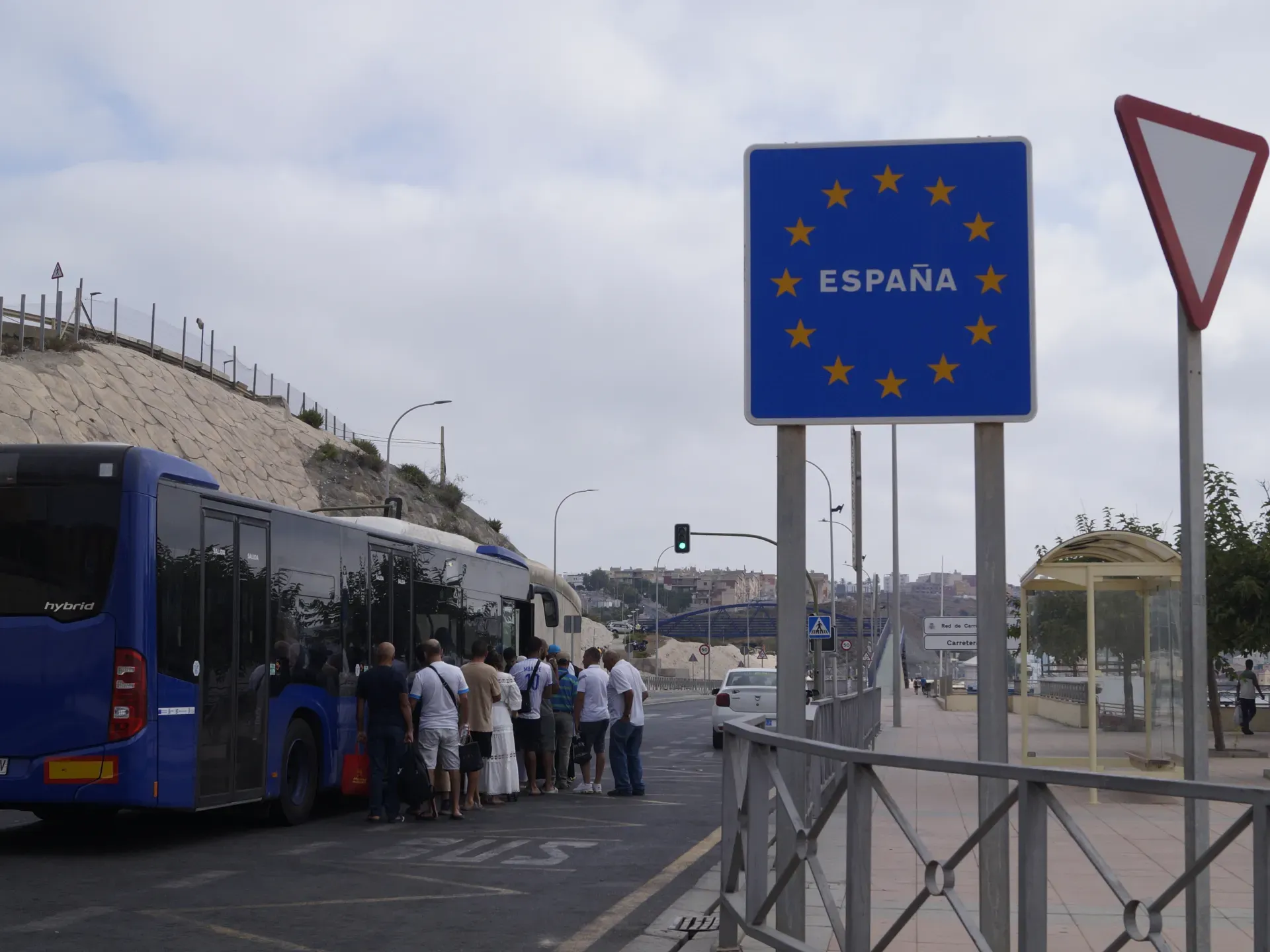

Spain's two small enclaves located on the northern coast of Africa have historically been a source of tension in its diplomatic relations with Morocco. These territories, known as Ceuta and Melilla, represent the last remnants of Spain's colonial empire and are unique as they are the only European territories situated on African soil. In addition to these autonomous cities, Spain also claims the Plazas de Soberanía, which consists of several rocky islands off the Moroccan coast, including the Chafarinas Islands, Alhucemas Islands, and Penon de Velez de la Gomera.
While Spain asserts its ownership of Ceuta and Melilla, Morocco has consistently rejected this claim, demanding the return of these territories since gaining independence from France in 1956. This ongoing territorial dispute has led to persistent political friction between Madrid and Rabat. Recently, tensions escalated further when over 50,000 migrants crossed into the Spanish enclave of Ceuta. Although many have since returned to Morocco, several thousand migrants remain stranded in the enclave, raising questions about the future of these territories and their geopolitical significance.
The Historical Roots of Spanish Sovereignty
The origins of Ceuta and Melilla date back centuries, with Ceuta first coming under Portuguese control in 1415 before being annexed by Spain in 1580. Conversely, Melilla was captured by Spain in 1497. Following Portugal's independence from Spain in 1640, Ceuta remained a Spanish possession. As the Spanish Empire expanded, colonial losses in the late 19th century led the country to shift its focus toward Africa, although most territories were already claimed by other European powers. Today, Ceuta and Melilla are the last European-held territories on the African mainland and are considered part of the European Union's external borders.
For Spain, maintaining control over these enclaves holds significant symbolic value, representing its imperial legacy and historical narrative of civilization versus barbarism, a perspective that echoes the ethos of explorers like Christopher Columbus. This historical context underlines the importance of these territories to Spain's national identity.
Current Dynamics and Future Prospects
The question of why Ceuta and Melilla were not transferred to Morocco upon its independence is rooted in their long-standing histories, predating the formation of modern Morocco. Moroccan claims to the territories, referred to as 'Sebtah' and 'Melilah', have been a point of contention in Morocco's political discourse. Although Morocco's claims are largely seen as politically motivated rather than legally grounded, they have nonetheless remained a focal point in Spain-Morocco relations.
Despite the historical roots of these enclaves, public opinion among residents in both Ceuta and Melilla shows a strong desire to remain part of Spain. With populations of approximately 84,000 in Ceuta and 86,000 in Melilla, these communities are characterized by a blend of cultures, including Christian, Muslim, Spanish, and Moroccan influences. However, the recent surge of migrants has exacerbated tensions within these communities, highlighting the complex social dynamics at play.
As Spain continues to navigate its relationship with Morocco, particularly in light of migration and security issues, analysts remain divided on whether Spain will ever relinquish sovereignty over these enclaves. While some believe that Spain may eventually cede these territories, others argue that the current political climate will necessitate a continued Spanish presence. The future of Ceuta and Melilla thus remains uncertain, caught between historical claims, modern political realities, and the aspirations of their residents.
As reported by aljazeera.com.