
Ángel Expósito's Insights on Morocco's Energy Dependency
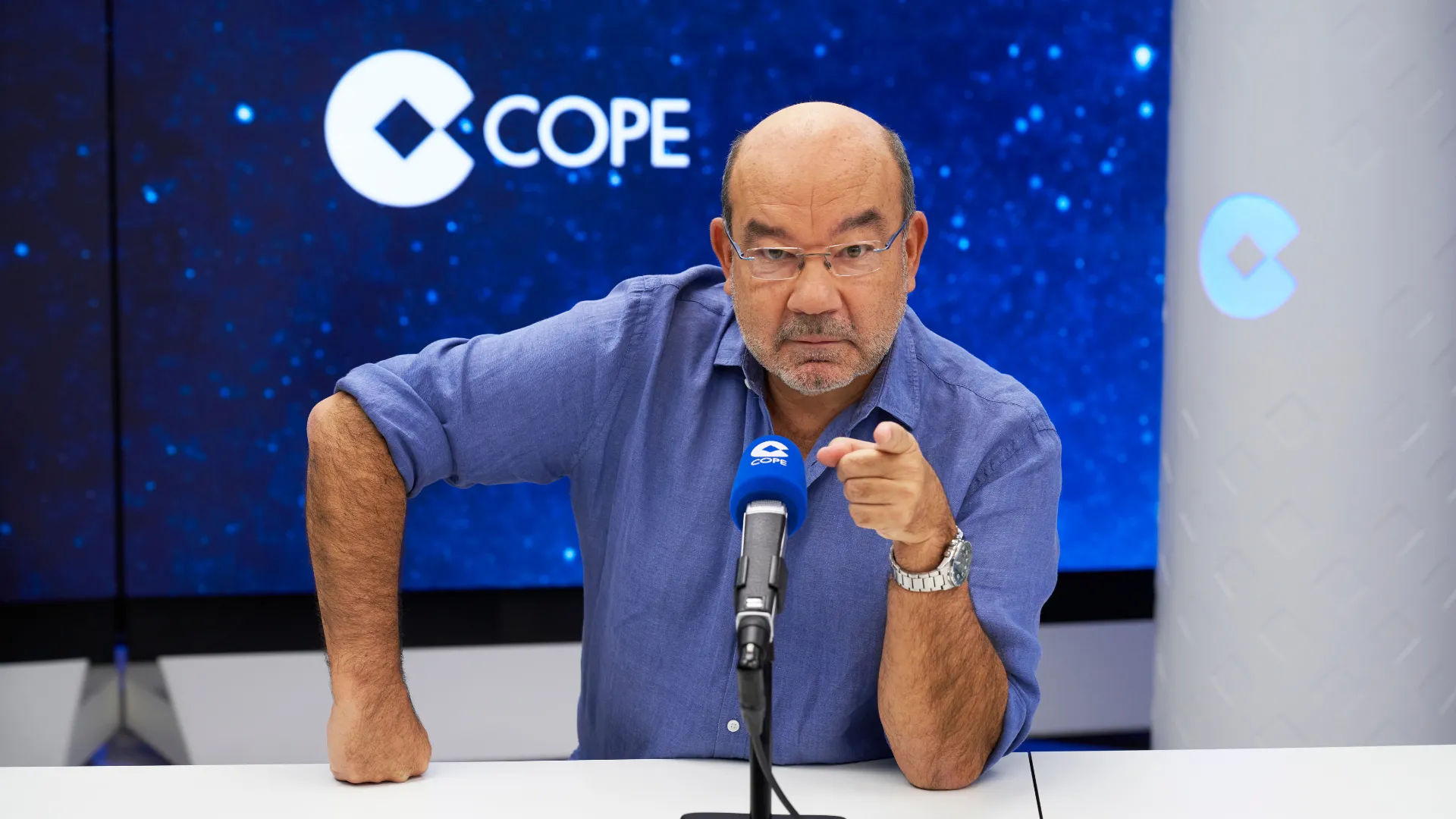
In a recent segment of 'Herrera en COPE', Ángel Expósito provided an in-depth analysis of the intricate geopolitical dynamics that bind Spain, the European Union, and Morocco. This discussion arose following a narrow vote in the European Parliament, which passed a resolution favoring Ceuta while expressing significant criticism towards the Moroccan government's stance. During the parliamentary debate, strong language was employed regarding the events in the autonomous city, yet the socialist and left-wing factions voted against the resolution. In light of this, Expósito emphasized the need for the European Union to take a definitive position and redefine mutual obligations moving forward.
The Economic Realities of Moroccan Dependency
Expósito further explored the balance of power between Spain and Morocco, sharing insights from Antonio Barranco, the CEO of Elity, who emphasized the strategic points for intervention. One critical observation made was regarding the financial aid extended to Morocco, particularly concerning immigration control; Expósito argued that such funds should be contingent upon measurable outcomes rather than being granted indiscriminately. Current statistics reveal that a significant portion of Morocco's energy supply is linked to Spain: 8% of the country's electricity and a staggering 95% of its gas imports come from Spanish infrastructure, often at highly favorable prices. Additionally, the economic implications of fresh food trade are vital, with Moroccan produce entering European markets through the port of Algeciras.
In contrast to political concessions, Expósito questioned the stance of various parliamentary groups and highlighted the economic interdependence: while Spain relies on Morocco to manage migration flows, it is equally true that Morocco depends on Spain and Europe for its economic survival. This relationship underscores a complex dependency that shapes both nations' policies and interactions.
Moreover, the management of migration has received substantial financial support from Brussels and the Spanish government to aid Morocco in border control efforts. Between 2021 and 2027, the European Union has allocated a budget of €500 million to Morocco, a figure that exceeds the €343 million provided during the previous funding cycle from 2014 to 2020. This financial commitment reflects the ongoing tensions and the importance of a stable relationship between the two nations.
As reported by cope.es.