
Algeria's Asylum Seekers: A Challenging Landscape
Algeria stands out as one of the primary countries of origin for asylum seekers, yet the reality is that very few of these applications receive a favorable response. The complexities surrounding Algeria make it a challenging subject for analysis, particularly when compared to its North African neighbors like Tunisia and Morocco, which are relatively more open and accessible to journalists and researchers.
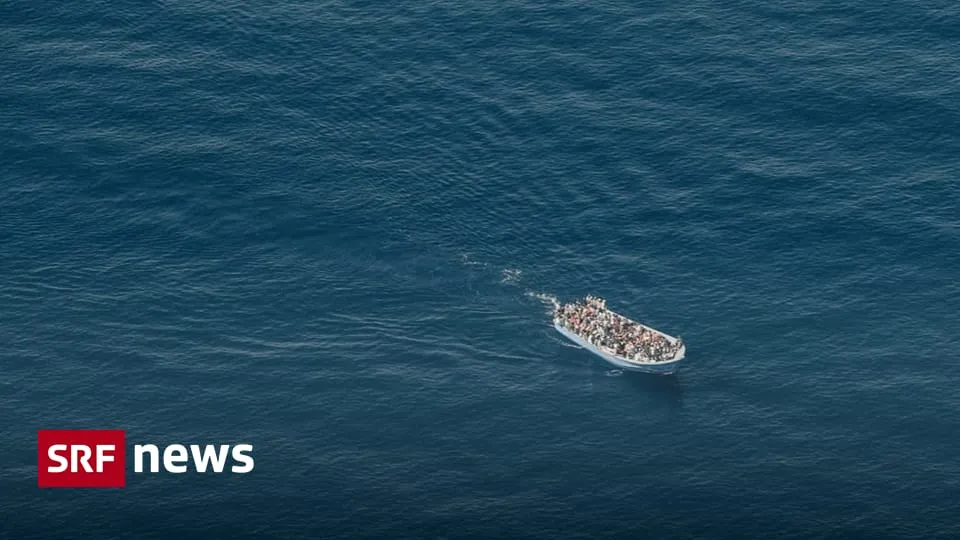
Isabelle Wehrenfels from the German Institute for International and Security Affairs has dedicated significant effort to studying Algeria, having visited the country just a year and a half ago. The optimism that followed the mass protests of 2019, which called for the ousting of long-time leader Bouteflika, has since diminished. At that time, the populace dreamt of a new beginning, symbolically represented during protests by a boat carried through the streets, labeled as "the last boat to Europe." This imagery poignantly illustrates the correlation, and possibly even causation, between state repression and the desire to migrate.
Migration Trends and Economic Realities
In discussions surrounding migration, Algeria is often mentioned alongside Tunisia and Morocco, where the acceptance rates for asylum applications are similarly low. However, Wehrenfels points out that the circumstances in Algeria differ significantly from those in its Maghreb counterparts. The country's reduced reliance on remittances and the introduction of unemployment assistance for young people aged 19 to 40 in 2022 further distinguish it from Morocco and Tunisia, where such support is absent. Consequently, the drive to migrate from Algeria is less influenced by personal experiences of violence or persecution and is more often rooted in a quest for civil liberties that are perceived to be lacking.
Moreover, in the realm of employment and promotions, connections and nepotism still frequently outweigh merit, which is reflected in European migration statistics. The collaboration between Algeria and Switzerland on migration issues remains complex. While Switzerland has established a migration partnership with Tunisia and recently signed an agreement with Morocco aimed at expediting return processes, asylum applications from Algeria continue to remain stable and high, marking Algeria as the third most frequent country of origin for asylum seekers this year.
In response to the influx of asylum seekers from the Maghreb, Switzerland has tightened its asylum procedures. The introduction of 24-hour processes aims to ensure that applicants do not endure prolonged waits for negative decisions, a system that the State Secretariat for Migration (SEM) claims is functioning effectively. However, the fate of many rejected asylum seekers poses a significant challenge. According to Magdalena Rast, these individuals are expected to return to Algeria. They may do so voluntarily, but if they refuse, there is the potential for forced repatriation. The cooperation with Algeria in this sphere is reportedly quite effective; last year, over 500 individuals were returned, with nearly 200 being repatriated forcibly.
What is less openly communicated by the SEM is that Algeria predominantly accepts returns via scheduled flights, and if individuals resist, repatriation becomes complicated. Although Switzerland has initiated a series of special flights to Algeria in 2023, the SEM has not disclosed the number of such flights that have been conducted since then. This ongoing situation highlights the complexities and challenges faced by both the Swiss authorities and the Algerian government in managing the flow of asylum seekers.
As reported by srf.ch.