
Alberto Masegosa's Insights on Spain-Morocco Relations
Alberto Masegosa, a former correspondent in Rabat and author of the book "Miradas cruzadas," co-written with Mohamed Siali, sheds light on the intricate bilateral relationships between Spain and Morocco. This book serves as a comprehensive guide aimed at unraveling the complexities surrounding the interactions between these two nations, particularly in the context of the Strait of Gibraltar. Masegosa, who has a rich background in journalism and a deep understanding of Moroccan affairs, argues that Spain currently lacks a coherent strategy regarding its southern neighbor. This absence of a clear direction has led Spain to follow rather than lead in its foreign policy towards Morocco, which continues to be a critical issue in Spanish politics.
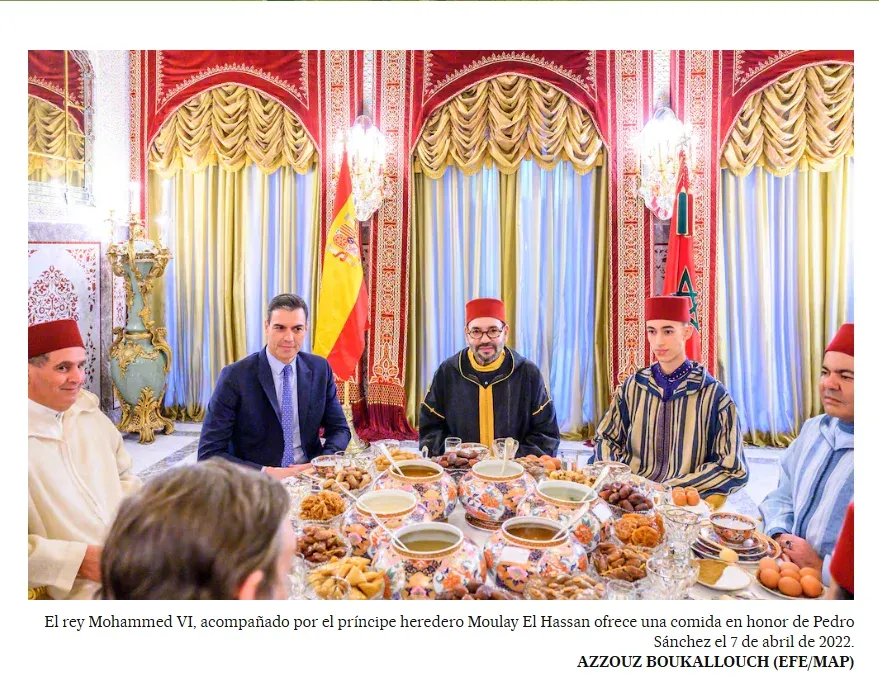
One of the pivotal changes in the last thirty years of Spain-Morocco relations has been the shift in Spain's stance concerning Western Sahara. Masegosa highlights Prime Minister Pedro Sánchez's decision to support Morocco’s claims over the territory, a move that effectively dismantled a long-standing policy of neutrality that Spain had maintained since Morocco's independence. This shift has raised concerns within Spain, as it is perceived that resolving the Sahrawi conflict could lead Morocco to refocus its territorial ambitions on Spain's enclaves of Ceuta and Melilla. The current state of affairs is marked by ongoing tensions, distrust, and a lack of mutual understanding, which Masegosa notes as critical challenges that still prevail.
Historical and Cultural Influences on Bilateral Relations
The book also touches upon the role of "marroquinólogos," or Morocco experts, who are frequently consulted by the Spanish government. Masegosa suggests that despite the geographic proximity and rich historical ties between Spain and Morocco, there remains a profound disconnect in understanding Moroccan perspectives. He points out that Spain’s historical identity has largely been shaped by influences from Europe and the Americas, leading to a limited engagement with its southern neighbor. This disconnect is further emphasized by the enduring relevance of the statement by Manuel Azaña, which asserts the significant influence that Moroccans have on Spain, a sentiment that continues to resonate in contemporary discussions about the territorial claims over Ceuta and Melilla. The strategic importance of these enclaves remains a contentious topic, with Masegosa noting that while Ceuta retains its significance as a gateway to the Strait of Gibraltar, Melilla's strategic value has diminished considerably.
Masegosa also discusses the cultural weight of Al-Andalus, viewed by many Moroccans as a lost paradise. This historical legacy continues to influence Moroccan identity and pride, highlighting the complex interweaving of history and politics in shaping perceptions between the two nations. The religious landscape, while significant, is framed more as a reflection of political culture than mere religious differences. Masegosa argues that Islam's role in the political evolution of Muslim countries differs markedly from the influence of Christianity in Western Europe, creating nuanced dynamics in governance and societal norms.
As reported by larazon.es.