The Diplomatic Perspective of Luis Belzuz de los Ríos
Veteran diplomat Luis Belzuz de los Ríos marked his retirement from the position of Consul General of Spain in Casablanca on July 29, 2022. Just a day before a significant surge of irregular immigrants flooded into Ceuta, Belzuz concluded four years of service in Morocco, a tenure during which he gained valuable insights into the nuances of Spanish-Moroccan relations. In his view, these relations are fundamentally imbalanced, a sentiment echoed during his discussions regarding the recent crisis in Ceuta. He reflects on the timing of the crisis, noting that it coincided with Morocco's Throne Day celebrations, suggesting a calculated move by Moroccan authorities. Belzuz candidly admits that he was unaware of the internal dynamics leading to his departure, highlighting the lack of communication within the consulate during those tumultuous events.
His analysis of the situation reveals a critical conclusion: Morocco was the 'necessary author' behind the crisis, as the coordinated influx of approximately 80,000 Moroccan nationals into Ceuta could not have happened without the knowledge and consent of Moroccan authorities. This assertion underscores the depth of Morocco's control over its citizens and the extensive network of information and influence that the Moroccan government wields over various societal aspects, including immigration and jihadism. Belzuz emphasizes the need for Spain to remain a step ahead of Morocco in diplomatic maneuvers to avoid future crises.
Challenges and Opportunities in Spanish-Moroccan Relations
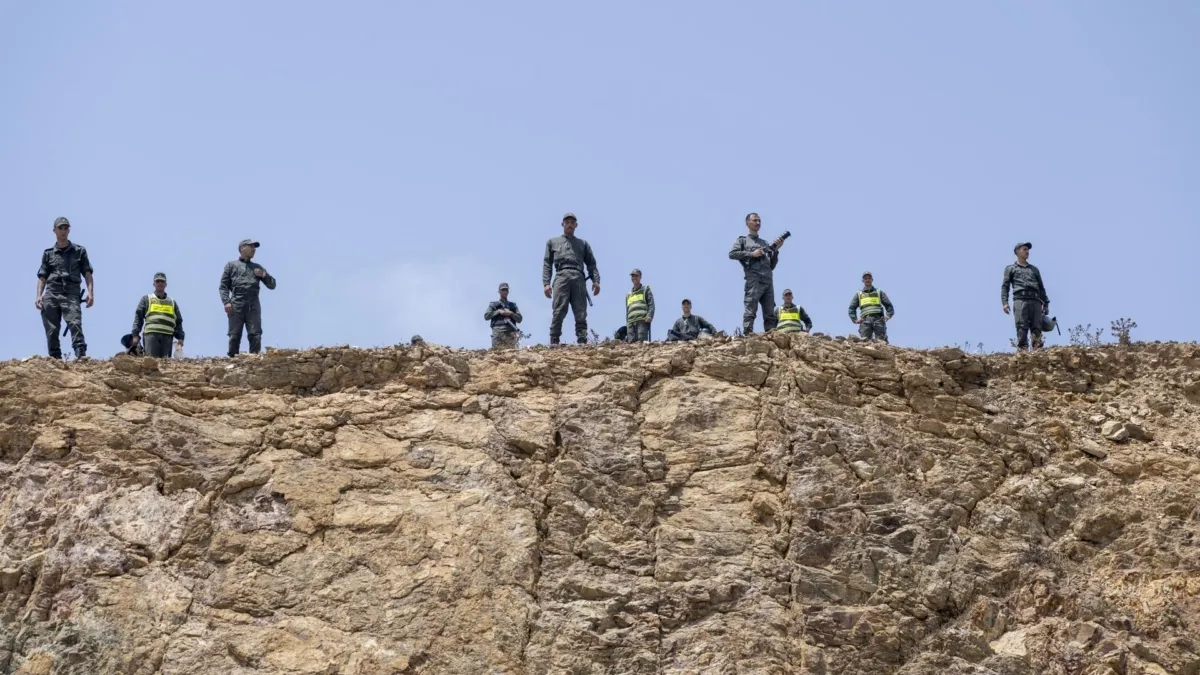
During his time in Morocco, Belzuz traveled extensively across the country, engaging with diverse communities and witnessing the state’s infrastructure, which he describes as comprehensive and well-integrated. He notes that alongside every mosque—of which there are around 52,000 in Morocco—there is typically a school, a health center, and a police station, indicating a robust governmental presence that facilitates information gathering and public order. This level of coordination has become critical for Moroccan authorities, especially since the Arab Spring, which reshaped the security landscape in the region. Belzuz highlights the effective collaboration among police, intelligence services, and military forces, which has enabled Morocco to manage societal challenges effectively.
Belzuz discusses the various factors that may have motivated Morocco's recent actions against Spain, including the perceived weaknesses of the Spanish government and the pending law regarding Sahrawi nationality. The timing of these events coincides with significant political shifts in both countries, including the impending elections in Spain and changes in the Moroccan monarchy. He articulates that any actions taken regarding the Western Sahara are of immense significance to Morocco, given the historical context of the region and its impact on national identity within Morocco.
In the wake of these developments, Belzuz advocates for a reevaluation of Spain's approach to its relationship with Morocco. He suggests that a unified foreign policy, rooted in consensus, is essential for Spain to present itself as a formidable partner in international relations, particularly in the context of NATO. He warns that any perceived weakness or isolation of Spain could embolden Morocco to exploit opportunities for assertiveness in issues such as territorial sovereignty over Ceuta and Melilla.
Ultimately, Belzuz's insights provide a comprehensive understanding of the intricate web of diplomatic relations between Spain and Morocco, underscoring the need for proactive strategies to navigate the complexities of bilateral engagements. As he aptly concludes, the relationship is characterized by persistent challenges, yet also opportunities for rebalancing and constructive dialogue that could lead to more stable relations in the future.
As reported by elindependiente.com.