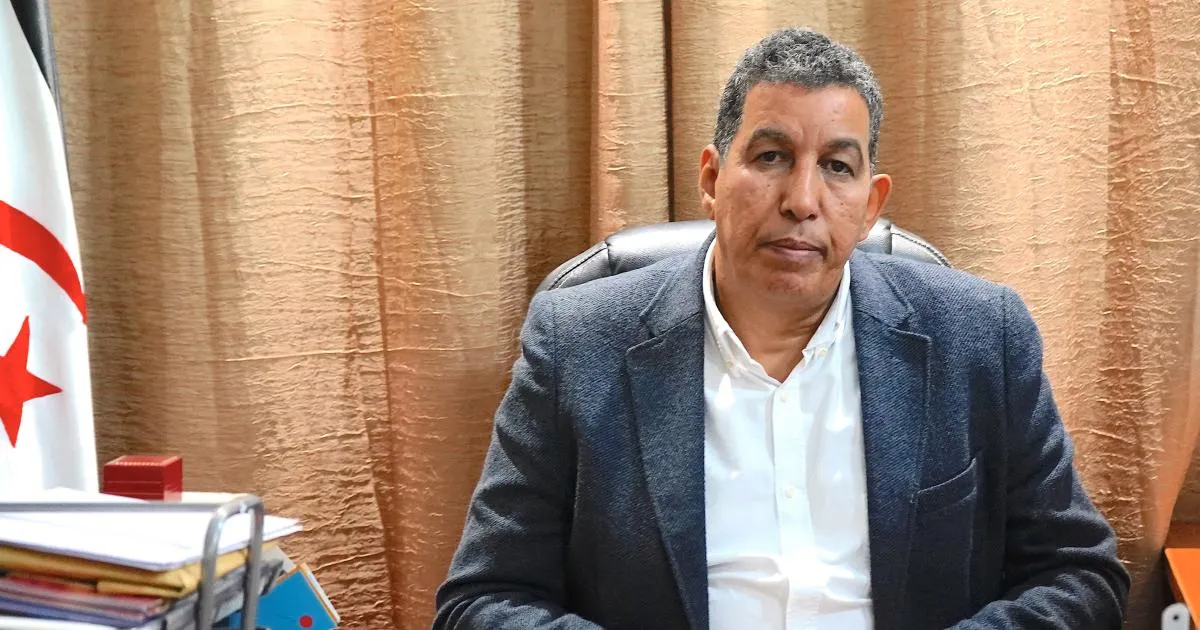

In a recent opinion article published by the Spanish online newspaper InfoLibre, Abdallah Al-Arabi, the Polisario Front’s representative in Spain, shed light on the intricate relationship between Spain and Morocco, particularly in the context of the Western Sahara issue. He argues that framing the diplomatic tensions between these two nations solely around this territorial dispute is an oversimplification that fails to acknowledge the deep-seated historical complexities that lie beneath the surface. Al-Arabi highlights that the apprehensions prevalent within Spanish public opinion are largely driven by Morocco’s persistent expansionist ambitions, particularly towards the cities of Ceuta and Melilla, in addition to the management and control of their borders.
Furthermore, Al-Arabi emphasizes that terms like "shared prosperity" and economic cooperation should not serve as a guise to obscure the political and legal intricacies surrounding Ceuta and Melilla, nor to downplay the pressing issues of sovereignty and territorial equity. He points out that the ongoing disputes regarding the territorial waters adjacent to Western Sahara have been decisively addressed by the jurisprudence of the Court of Justice of the European Union, which recognizes these waters as an integral part of the Sahrawi territory, as classified by the United Nations as a Non-Self-Governing Territory.
Concluding his article, Abdallah Al-Arabi asserts that both Spain and the European Union must respect the sovereignty of the Sahrawi people over their land and resources. He argues that any initiatives or projects proposed south of latitude 27.40° must receive explicit and legitimate consent from the Sahrawi people, represented solely by the Polisario Front. To foster genuine stability and establish a robust, balanced relationship between Spain and Morocco, Al-Arabi advocates for moving beyond superficial political analyses and addressing the fundamental issues at hand. He proposes that a sustainable understanding can only emerge from a foundation built on three critical pillars: unwavering respect for international law and legitimate international resolutions, a commitment to political good faith and adherence to promises without resorting to pressure or coercion, and the acknowledgment of both sides' legitimate interests without compromising the territorial integrity of Western Sahara or simplifying complex strategic differences.
As reported by spsrasd.info.