Ebola Outbreak in the Democratic Republic of Congo: What Travelers Need to Know
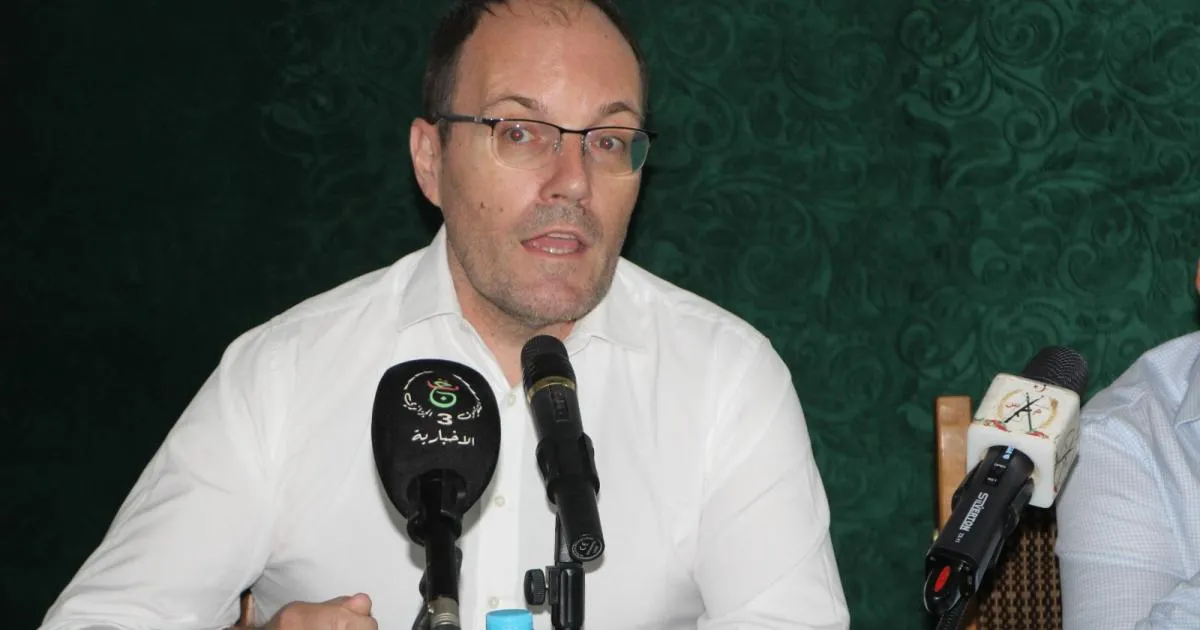
The ongoing Ebola outbreak in the Democratic Republic of Congo (DRC) has raised significant concerns globally, particularly among travelers considering trips to Africa. The outbreak, which has been characterized by alarming imagery and dire warnings, is concentrated in the eastern regions of the DRC, but experts urge travelers not to panic or cancel their travel plans unnecessarily. Marian Nothing, a Travel Security Analyst with A3M, emphasizes that this outbreak should not deter travel across the continent, as its impact is localized and does not represent the entire African region. Travelers are encouraged to differentiate between health risks based on specific locations rather than generalizing the entire continent as unsafe.
On May 15, 2026, Uganda reported cases of the Bundibugyo Ebola virus and temporarily closed its border with the DRC in response. The situation is serious enough that the World Health Organization (WHO) and the Africa Centres for Disease Control and Prevention (Africa CDC) announced a joint continental response plan on June 5, 2026, aimed at mobilizing 518 million USD to assist affected countries with surveillance, lab diagnostics, infection prevention, and medical care.
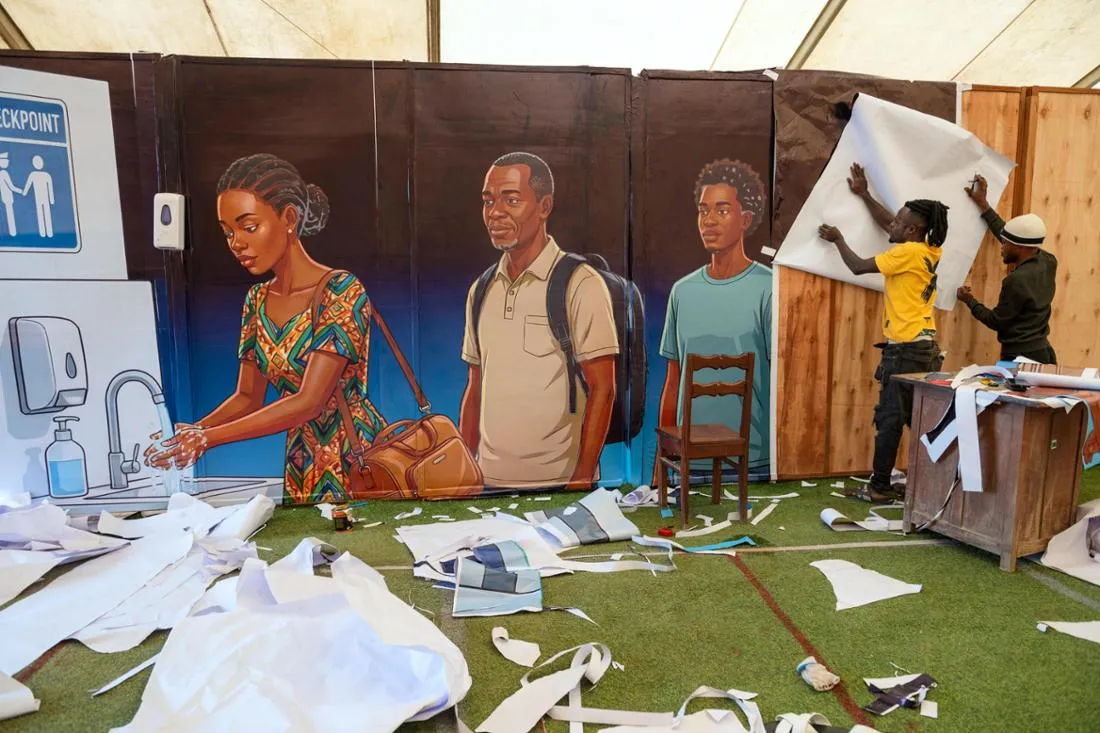
Safety Measures and Precautions for Travelers
WHO Director-General Dr. Tedros Adhanom Ghebreyesus highlighted the importance of having a comprehensive plan to combat the outbreak, while Dr. Jean Kaseya, Director-General of Africa CDC, succinctly noted that Africa must act swiftly to contain the spread of the virus. Complicating matters, there are currently no approved vaccines or specific treatments available for the Bundibugyo Ebola virus, as confirmed by the Bernhard Nocht Institute for Tropical Medicine. The WHO had previously declared the outbreak a “Public Health Emergency of International Concern” on May 17, 2026.
Despite the outbreak, regions such as South Africa, Namibia, Botswana, Morocco, Egypt, Kenya, Tanzania, and Zanzibar are assessed as safe for tourists by A3M. In contrast, the situation is more precarious in the DRC and Uganda. Travelers are advised to stay informed about the evolving circumstances and heed the advice of health authorities, especially those traveling to border areas, participating in humanitarian missions, or working in healthcare.
Ebola is transmitted solely through direct contact with the bodily fluids of infected individuals and is not spread through the air. Initial symptoms include sudden fever, severe fatigue, and headaches or muscle pain. It is crucial for anyone returning from an affected area who develops symptoms within three weeks to seek medical attention immediately and disclose their travel history.
It is crucial to understand that the entire African continent, which spans 30.3 million square kilometers, is not a danger zone. Nothing points out that many perceive African nations as a homogenous risk area, which is misleading. The risk assessment varies significantly depending on whether one is in a capital city, a heavily touristed region, a border area, or close to an active outbreak. Therefore, individuals must conduct thorough research and consider the specific health landscape of their intended destination before traveling.
As reported by fr.de.