
The Evolution of Political Engagement in Morocco
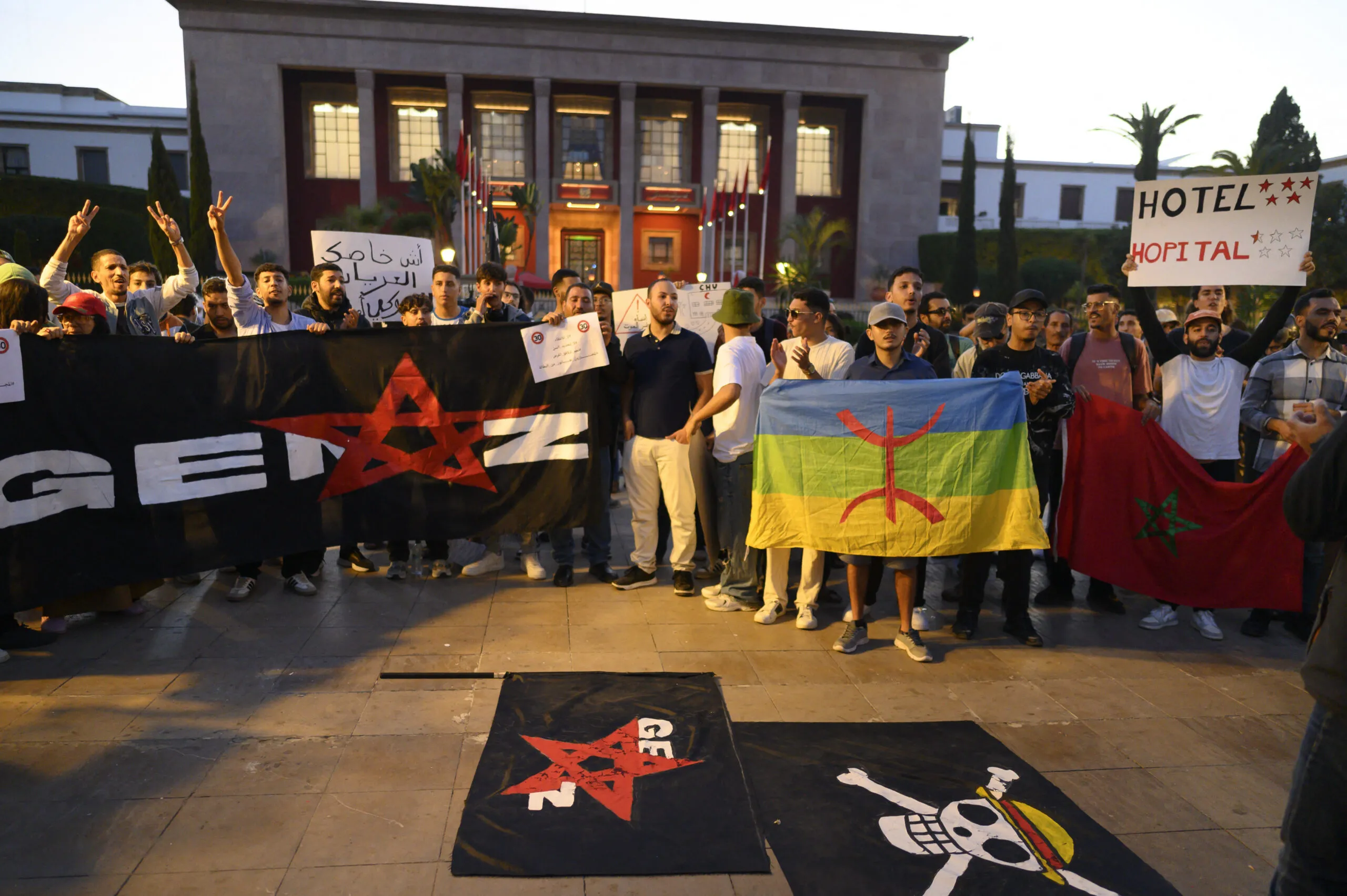
As Morocco prepares for its parliamentary elections on September 23, the repercussions of the Gen Z protests, which erupted a year prior, have reshaped the political landscape. These protests highlighted a significant disconnect between Morocco’s ambitious economic and geopolitical aspirations and the stark reality of its domestic development, which has been lagging behind. The protests, known as the 212 demonstrations, brought to light the frustrations of a generation demanding accountability and change in governance. Following these events, some accountability measures were adopted at local levels, but the broader reckoning required at the national level has yet to be fully realized. In the wake of these protests, political parties have begun to pivot, making development a central theme in their campaigns, yet questions remain about their actual capacity to implement effective policies that can transcend the entrenched structural challenges hindering growth and public investment.
Political Shifts and Future Implications
The most notable political fallout from the protests is evident in the decision of Prime Minister Aziz Akhannouch, who announced he would not seek re-election. His departure signals a shift in the political narrative, suggesting an acknowledgment of the demands for change that were echoed in the streets. Under the party’s regulations, a leader is limited to two terms, but the timing of his exit, following the protests, represents more than just compliance with party rules; it reflects a broader admission of political responsibility for the failures that led to public discontent. As political parties gear up for the upcoming elections, their strategies and rhetoric will be closely scrutinized. The challenge remains whether these parties can effectively translate their development promises into tangible outcomes that address the social and economic needs of the Moroccan populace, particularly the youth who have been at the forefront of these movements. The outcome of these elections will not only determine the future of governance in Morocco but will also set a precedent for how political dialogue evolves in response to civic engagement.
As reported by mei.edu.