
The Ring: A Platform for Political Discourse
'The Ring' is Euronews' weekly political debate show, where Europe's toughest discussions converge with the bravest voices. Each episode features two heavyweight politicians from across the EU, engaging in spirited discussions to represent diverse opinions on pressing EU political issues. The format is designed to be unfiltered and devoid of political bias, offering viewers the raw story without commentary.
Challenges Facing Europe's Water Resources
As Europe faces increasing pressure on its water resources due to pollution, droughts, and floods, Euronews highlights the importance of protecting ecosystems and managing wastewater effectively. The special series, 'The Food Detectives,' brings together Europe’s top food experts to combat fraud in the food sector, while providing insights into the critical state of water across the continent. Through video reports, animated explanations, and live discussions, Euronews aims to raise awareness about the significance of water and the innovative solutions available.
Recent Developments in Ceuta: A Surge of Migrants and The Role of Misinformation
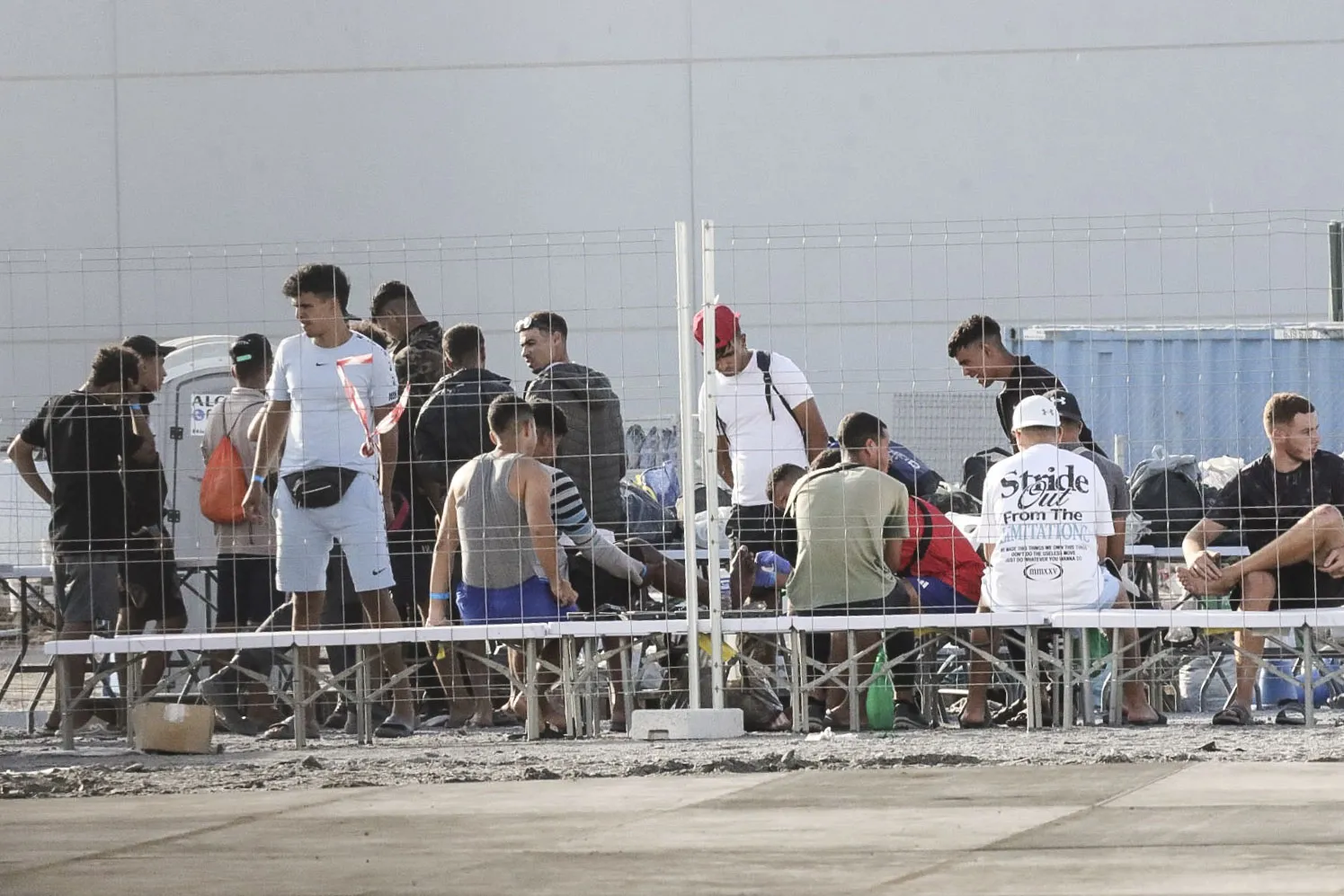
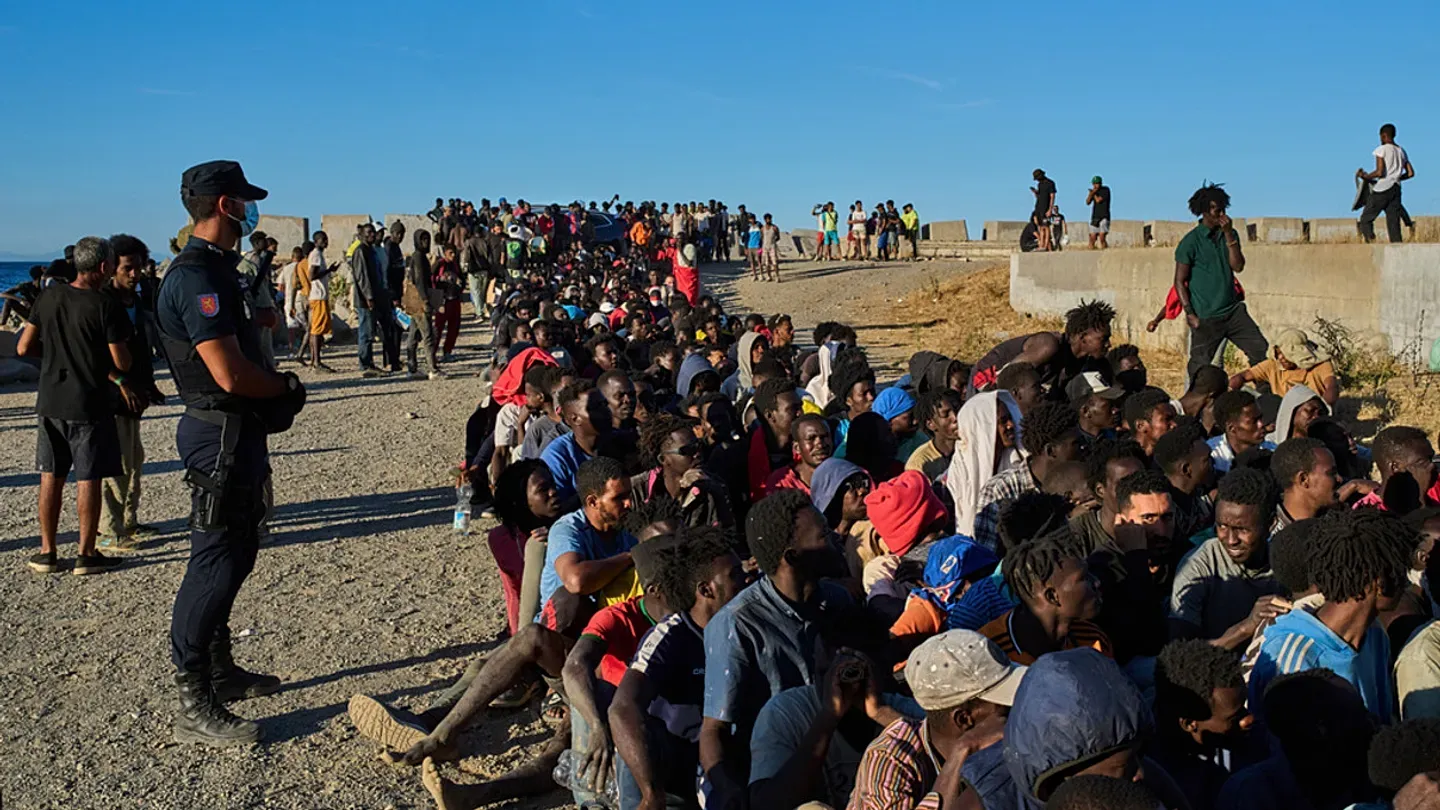
Recently, around 60,000 individuals arrived in the Spanish enclave of Ceuta, adjacent to Morocco, following the spread of videos on TikTok, Facebook, and other social media platforms that promised an easier route to Europe. Reports indicated that some claimed the border was open, while others suggested that migrants arriving by sea could not be immediately sent back. Additionally, misleading portrayals of Spanish Prime Minister Pedro Sánchez circulated, depicting him as a politician who grants 'dignity and recognition' to those building Spain, referencing a recent program aimed at legalizing thousands of migrants without clarifying that it only applied to those already residing in Spain.
As videos surfaced showing thousands gathering at the coasts, a wave of misinformation ensued regarding the triggers for these crossings and the fates of those reaching Spain. Although it remains unclear what specifically drove the unprecedented surge in Ceuta, officials and experts point to a combination of economic hardship in Morocco, rampant misinformation on social media, and the activities of criminal networks on both sides of the border.
Prime Minister Sánchez contended that smugglers had misrepresented a recent Supreme Court ruling to encourage crossings, while migration and human rights activists claimed that rumors circulating on social media contributed to the sudden influx. In the days leading up to the crossings, social media posts suggested that Spain had effectively relaxed its immigration policies, focusing on two actual developments: Spain's decision to legalize thousands of migrants and the ruling from the Supreme Court.
Critics, including the U.S. State Department, argued that Spain's legalization program promoted mass crossings by signaling that the country was lenient regarding immigration. The program, which has been misinterpreted since its announcement, applies only to undocumented migrants who have been in Spain since January 1, 2026, and met residency requirements, excluding those arriving in Ceuta at the end of July and early August.
Simultaneously, misleading posts circulated regarding the recent verdict from the Spanish Supreme Court concerning migrants picked up after arriving by sea. This ruling pertained solely to judicial procedures and did not grant migrants an automatic right to remain in Spain or travel further into mainland Europe.
Despite the Sánchez administration promoting a regularization program for undocumented migrants already living in Spain, it continues to pursue a stricter stance on irregular migration, particularly in Ceuta and Melilla. The government has not rescinded the 2015 border rejection provision for these enclaves, maintaining close cooperation with Morocco for migration control and providing financial and operational support to help Moroccan authorities prevent irregular crossings.
Spanish politicians have accused Morocco of allowing crossings, citing inadequate border control, with an Associated Press photographer reporting that Moroccan officials observed before security forces intervened. Morocco has since claimed that it warned Spain that the Supreme Court ruling might encourage more people to attempt the crossing and that human trafficking rings would exploit the decision online, a point Spain contests.
On Tuesday, EU Migration Commissioner Magnus Brunner expressed concern over the role of misinformation in this crisis, albeit without naming specific sources or actors. As thousands entered Ceuta, politicians and commentators across Europe warned that migrants would soon move on to mainland Spain and other European countries. Italian Prime Minister Giorgia Meloni temporarily instituted checks for travelers from Spain, while French Interior Minister Laurent Nuñez announced plans to tighten border controls. British politicians, including former Home Secretary Suella Braverman, asserted that migrants would head towards the rest of Europe.
Contrary to these claims, Commissioner Brunner stated that as of Friday evening, 'not a single person' had reached the mainland, noting that the Schengen Agreement already prescribes additional border checks for individuals entering from Ceuta and Melilla. The Spanish Foreign Ministry confirmed that exit checks were being conducted for sea and air travel – the only available routes – meaning no one could travel from the Spanish enclaves to the mainland without being identified by the National Police.
Moreover, illegal entry into Ceuta does not confer migrants the right to reside in Spain or travel to mainland EU territories. Spanish authorities indicated that most of the migrants who had entered Ceuta had already returned to Morocco, either voluntarily or through deportation, although several thousand remain in the enclave at the time of publication.
Throughout the crisis, conspiracy theories have surfaced online suggesting that the mass crossings were staged as retaliation for Spain's criticism of Israel's military operations in Gaza and its condemnation of the joint US-Israeli attacks on Iran. Some posts alleged that Israel or the United States encouraged Morocco to allow migrants into Ceuta as a form of punishment against the Spanish government for its foreign policy. However, no substantial evidence has emerged to support these theories implicating either the US or Israel in encouraging people to enter Ceuta.
As reported by de.euronews.com.