
Insights from Patrick Weil on Migration and Politics
Patrick Weil, a prominent French historian and political scientist, serves as an emeritus research director at the National Centre for Scientific Research (CNRS) and is affiliated with the Centre for Social History of the 20th Century at Paris-I University. Renowned for his expertise in immigration and citizenship issues, Weil has held significant positions, including chief of staff at the Secretary of State for Immigrants in the early 1980s and a member of the High Council for Integration as well as the Stasi Commission. His extensive body of work includes numerous reference books on the history of immigration in France, with his latest essay titled _De l’immigration en France_ published by Grasset.
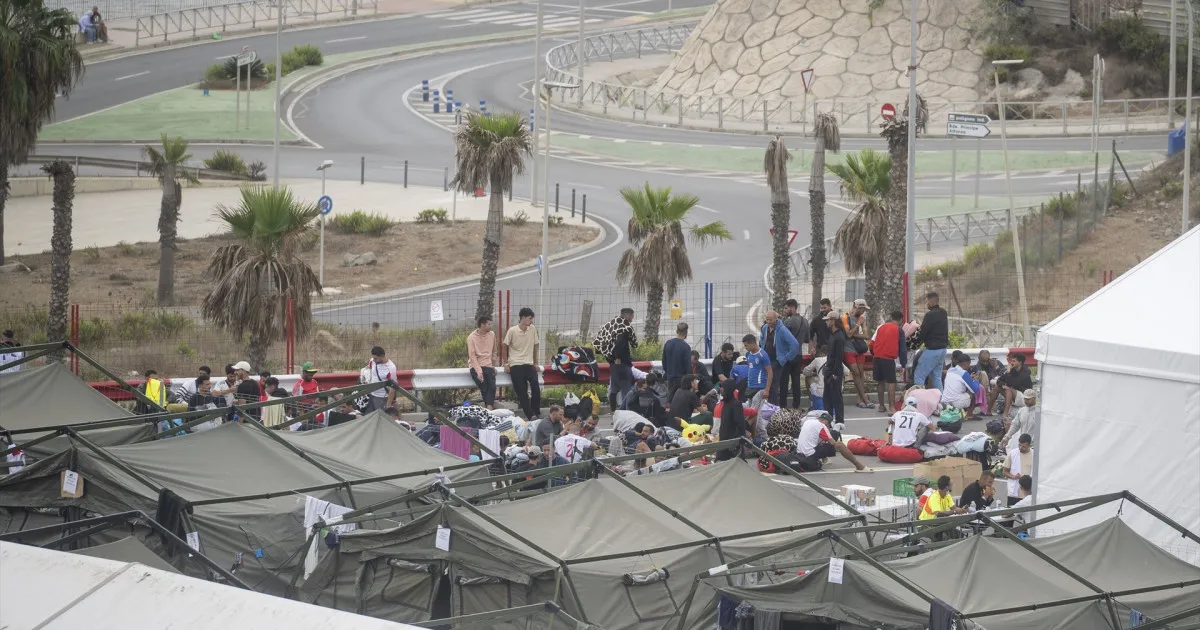
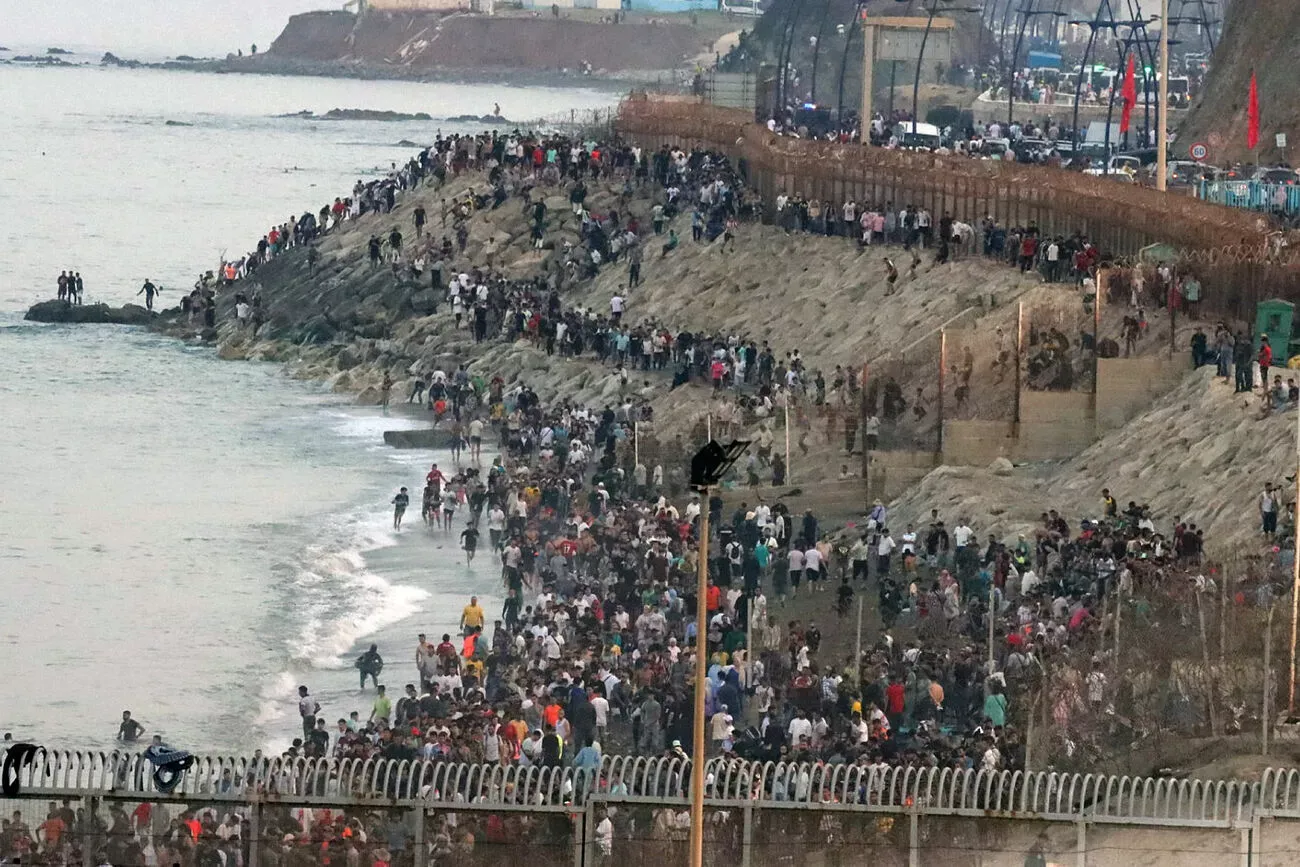
In light of the recent migration crisis in Ceuta, which has sparked political maneuvering and widespread speculation, Weil emphasizes the importance of focusing on factual information. He articulates, "Immigration is a subject that generates numerous fantasies and very few facts," while criticizing what he terms the "countertop geopolitics" exhibited by certain commentators in the media. According to Weil, the migration episode in Ceuta is limited in scope and should not be interpreted as a sign of a larger crisis overwhelming Europe. In an interview, he elaborates on his immediate response to the tragedy in Ceuta, stating that he wanted to dispel the notion of a "migratory submersion" from the outset.
Debating the Language of Migration
Weil's prompt reaction came in response to the striking images that were rapidly manipulated within the European debate, often to reinforce a narrative originating from the far-right, which has now seeped into broader discourse: the idea of an "invasion" from Africa and an ongoing "great replacement" in Europe. He notes that although these images initially impacted the Moroccan populace, the phenomenon itself is confined to Ceuta and does not signal a profound transformative shift threatening to engulf Europe.
Amidst the ongoing discourse surrounding immigration, terms such as "invasion," "submersion," "wave," "influx," and "migration crisis" have been frequently employed by various European leaders, particularly from the right and far-right factions. Some have even suggested that the Spanish regularization policy has created a "pull factor" deemed excessively lenient. Weil argues that such language reflects a troubling evolution in the immigration debate over recent years, which is often steeped in fantasy rather than grounded in reality.
In his book, _De l’immigration en France_, Weil seeks to address these misconceptions by presenting concrete statistics about immigration trends in both France and Europe. He points out that immigration to France has risen by 50% from 2000 to 2025, amounting to approximately 120,000 to 130,000 individuals annually. While this figure may seem substantial, he insists it does not equate to a submersion. Rather, it represents individuals pursuing their unique paths toward integration through work or marriage and often becoming French citizens—an evolution that, in many respects, is proceeding smoothly.
Moreover, Weil highlights another critical statistic that often shapes public perception: each year, around 105 million foreigners enter France, primarily for tourism, with estimates suggesting that only about 200,000 remain in the country. This figure constitutes less than 0.2% of the total, indicating that while there is room for improvement in managing immigration, the European control system, particularly around the Schengen area, is functioning effectively. This was evident during the Ceuta crisis, where a judicial decision created an illusion of opportunity for thousands who believed they could now access European territory, a hope previously thought unattainable under Schengen regulations.
As reported by mobile.telquel.ma.