
Recent Insights on Sahara Negotiations
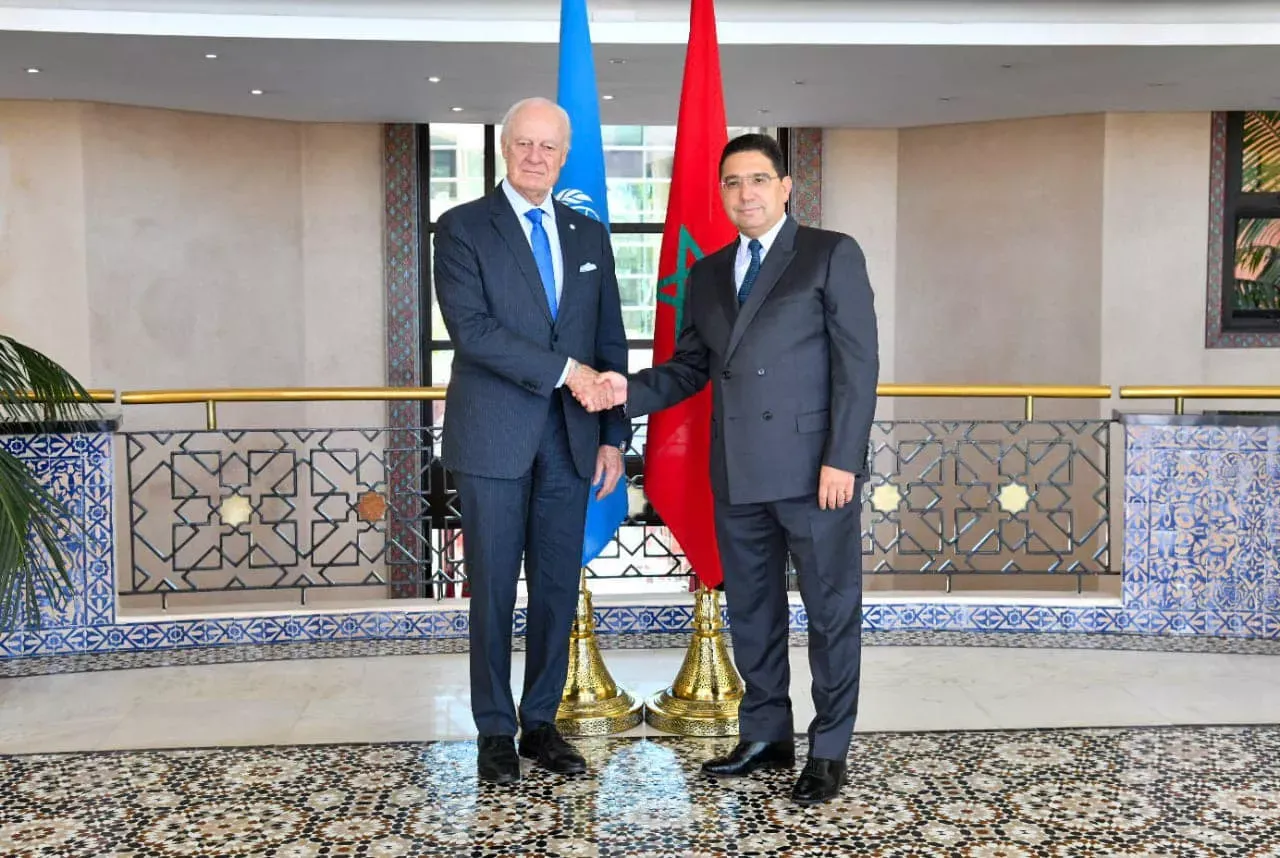
The ongoing negotiations regarding the Sahara region have encountered significant challenges, described as having "hit a wall" by Staffan de Mistura, the United Nations' personal envoy for the Sahara. During a closed briefing at the Security Council on October 8, 2026, he highlighted that the stalemate has been largely attributed to the Polisario Front, which has shown reluctance to seriously consider the autonomy plan proposed by Morocco. This plan aims to provide a framework for self-governance while retaining Morocco's sovereignty over the territory.
De Mistura delineated his vision of what constitutes "genuine autonomy," outlining it with seven criteria that could redefine the political landscape of the Sahara. However, his presentation included several ambiguous phrases that, if interpreted strictly, might suggest a scenario where the Sahara would be under international oversight. This has raised concerns among Moroccan officials and observers. A diplomatic source familiar with the situation advised against overanalyzing these nuances and instead emphasized the importance of understanding the broader implications of de Mistura's message, which could leave Morocco with limited maneuvering space.
While the negotiations have been fraught with complications, Morocco remains strategically positioned to navigate these discussions. The Moroccan government has continuously advocated for its autonomy proposal, which it argues is the most viable solution to the conflict. As the international community watches closely, it is crucial for Morocco to leverage its diplomatic relationships and maintain a firm stance in these negotiations, ensuring its interests are safeguarded while seeking a resolution that is agreeable to all parties involved.
As reported by mobile.telquel.ma.