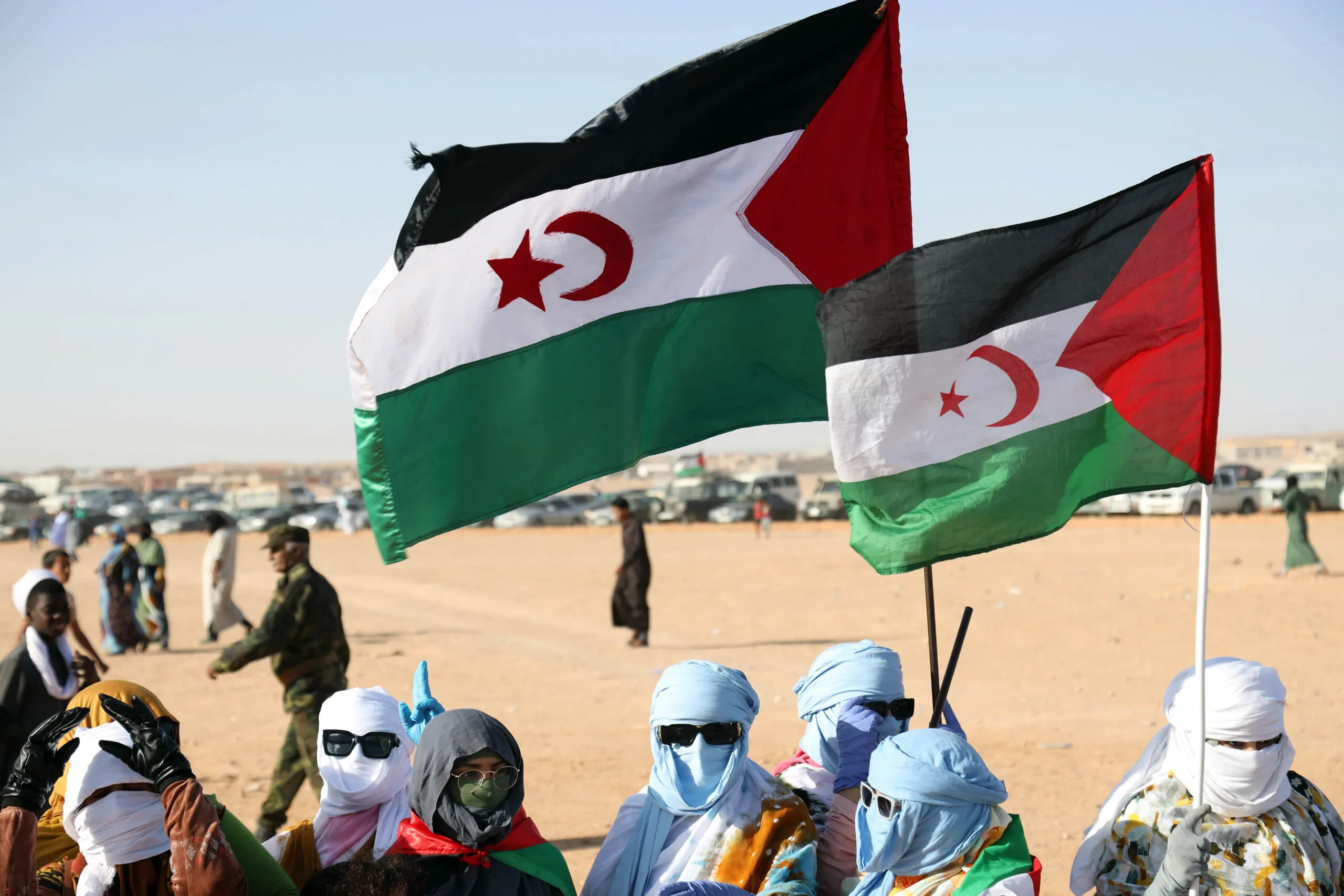

Introduction to the Western Sahara Dispute
Western Sahara, located on the Atlantic coast of northwest Africa, is embroiled in one of the continent's most protracted territorial conflicts. This dispute traces its origins back to 1975, following Spain's withdrawal from the territory, which led Morocco and Mauritania to claim control over distinct portions of what was formerly known as the Spanish colony. The Polisario Front, a nationalist movement established in 1973 that advocates for the self-determination of the Sahrawi people, emerged as a resistance force against these claims, later declaring the Sahrawi Arab Democratic Republic (SADR). While Mauritania exited the conflict in 1979, Morocco managed to secure control over approximately 80% of the territory. The Polisario Front, with support primarily from Algeria, governs areas east of Morocco's fortified barrier and oversees refugee camps in Tindouf, Algeria.
A cease-fire brokered by the United Nations in 1991 led to the creation of the UN Mission for the Referendum in Western Sahara (MINURSO), which aimed to facilitate a referendum regarding the territory's future. However, disagreements over the voting terms have hindered the process, and after nearly three decades of relative calm, hostilities resumed in 2020, albeit on a limited scale. The UN has indicated ongoing low-intensity confrontations that pose security threats to MINURSO personnel. In recent years, diplomatic momentum has increasingly favored Morocco, especially after the United States recognized Moroccan sovereignty over Western Sahara in 2020, followed by endorsements from several European nations for Morocco's autonomy plan. In October 2025, the UN Security Council further positioned Morocco's autonomy proposal as a foundation for renewed negotiations, which began in early 2026. Despite these diplomatic efforts, the final status of the territory remains uncertain, with Morocco maintaining its claim of sovereignty while the Polisario Front continues to advocate for Sahrawi self-determination.
The Decolonization Era (1960-1975)
Western Sahara, a Spanish colony for more than fifty years, entered a phase of decolonization between 1960 and its eventual relinquishment of control in 1975. In the aftermath of World War II, the international community ramped up its efforts to eradicate colonialism globally, leading to Spain's obligations under Chapter XI of the UN Charter to report on its non-self-governing territories, including Spanish Sahara. Throughout the 1960s, the UN exerted increasing pressure on Spain to initiate decolonization efforts in Western Sahara, amid competing territorial claims from Morocco and Mauritania, both of which sought to integrate the territory into their respective nations during discussions at the UN Special Committee on Decolonization.
Facing escalating international pressure, Spain announced plans in 1974 to hold a referendum on the status of Western Sahara in 1975. However, the UN advised postponement pending an advisory opinion from the International Court of Justice (ICJ) due to conflicting territorial claims. Spain's gradual approach included the establishment of a consultative body, the Djemaa, in 1967, which represented Sahrawi tribal interests and sought to delay the self-determination vote. Ultimately, the referendum did not occur, and the ICJ determined that while historical ties existed between Morocco and certain tribes in Western Sahara, neither Morocco nor Mauritania's claims were sufficient to support sovereignty over the territory.
In a dramatic turn of events, as Spain prepared to withdraw in 1975, King Hassan II of Morocco orchestrated the Green March, a mass demonstration involving around 350,000 unarmed Moroccan civilians crossing into Western Sahara to pressure Spain into ceding control. The Green March reflected a broader strategy to assert Moroccan claims amid domestic political instability and to counter the Polisario Front's push for independence. Concurrently, Algeria provided support to the Polisario Front, which fueled Morocco's resolve to solidify its territorial claims, often described as an irredentist policy toward Spanish Sahara. Following the Green March, Spain signed the Madrid Accords in November 1975, which transferred administrative control of Western Sahara to Morocco and Mauritania, effectively bypassing the previously agreed-upon referendum. This decision ignited resistance from Sahrawis, leading to the Western Sahara War that lasted until 1991.
As reported by mei.edu.